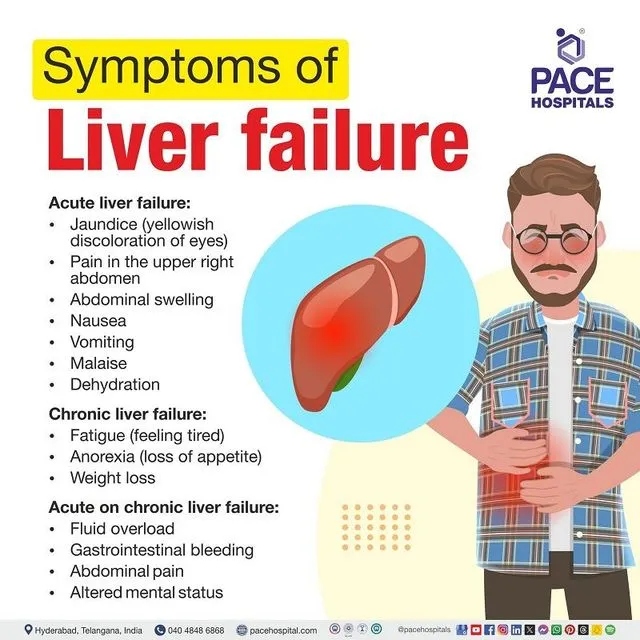
The liver is one of the most vital organs in the body, responsible for a multitude of functions including detoxification, metabolism, and hormone regulation. When the liver is not functioning optimally, it can have a significant impact on the body’s overall health, including metabolism. A slow liver can lead to a sluggish metabolism, making it difficult to lose weight and maintain a healthy body weight. In this article, we will explore five warning signs that your liver could be slowing down your metabolism, and what you can do to support liver health and boost your metabolism.
1. Persistent fatigue
One of the first signs that your liver may be struggling is persistent fatigue. The liver plays a crucial role in energy metabolism, converting nutrients from food into energy that the body can use. When the liver is not functioning properly, it can lead to a decrease in energy production, resulting in fatigue and lethargy. If you find yourself feeling tired all the time, even after a good night’s sleep, it may be a sign that your liver is not functioning optimally.
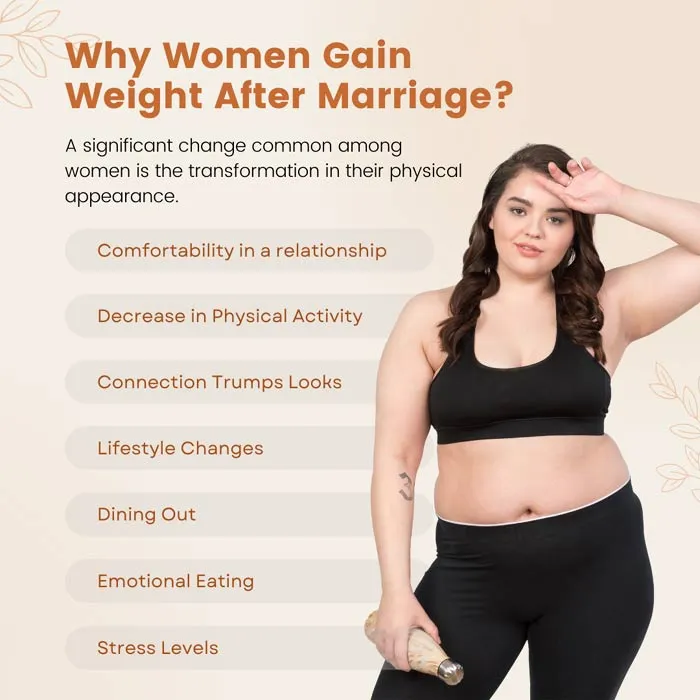
2. Weight gain
Another common sign of a slow liver is unexplained weight gain. The liver plays a key role in metabolizing fats and carbohydrates, and when it is not functioning properly, it can lead to weight gain. A sluggish liver can also lead to insulin resistance, causing the body to store more fat and making it difficult to lose weight. If you have noticed that you are gaining weight despite eating a healthy diet and exercising regularly, it may be a sign that your liver is struggling.
3. Digestive issues
The liver produces bile, which helps to break down fats and aid in digestion. When the liver is not functioning properly, it can lead to digestive issues such as bloating, gas, and constipation. These digestive issues can also impact metabolism, making it difficult for the body to absorb nutrients and convert them into energy. If you are experiencing frequent digestive issues, it may be a sign that your liver is not functioning optimally.
The liver plays a crucial role in detoxification, helping to remove toxins from the body. When the liver is not functioning properly, it can lead to a buildup of toxins in the body, which can manifest as skin problems such as acne, eczema, and rashes. These skin issues can also be a sign of inflammation in the body, which can slow down metabolism and lead to weight gain. If you are experiencing persistent skin problems, it may be a sign that your liver needs support.
5. Hormonal imbalances
The liver plays a key role in hormone regulation, metabolizing hormones such as estrogen and thyroid hormones. When the liver is not functioning properly, it can lead to hormonal imbalances, which can impact metabolism and lead to weight gain. Hormonal imbalances can also cause symptoms such as mood swings, fatigue, and irregular periods. If you are experiencing hormonal imbalances, it may be a sign that your liver needs support.
What can you do to support liver health and boost your metabolism?
1. Eat a healthy diet
One of the best ways to support liver health and boost your metabolism is to eat a healthy diet rich in fruits, vegetables, whole grains, and lean proteins. Avoid processed foods, sugary snacks, and fried foods, which can put a strain on the liver and slow down metabolism. Incorporate foods that are rich in antioxidants, such as berries, leafy greens, and nuts, which can help to protect the liver from damage.
2. Stay hydrated
Drinking plenty of water is essential for liver health, as it helps to flush out toxins and support detoxification. Aim to drink at least eight glasses of water a day, and limit your intake of sugary drinks and alcohol, which can put a strain on the liver. Herbal teas such as dandelion root tea and milk thistle tea can also help to support liver health and boost metabolism.
3. Exercise regularly
Regular exercise is essential for supporting liver health and boosting metabolism. Aim to incorporate both cardio and strength training exercises into your routine, as this can help to improve liver function and increase energy expenditure. Exercise can also help to reduce inflammation in the body, which can slow down metabolism and lead to weight gain.
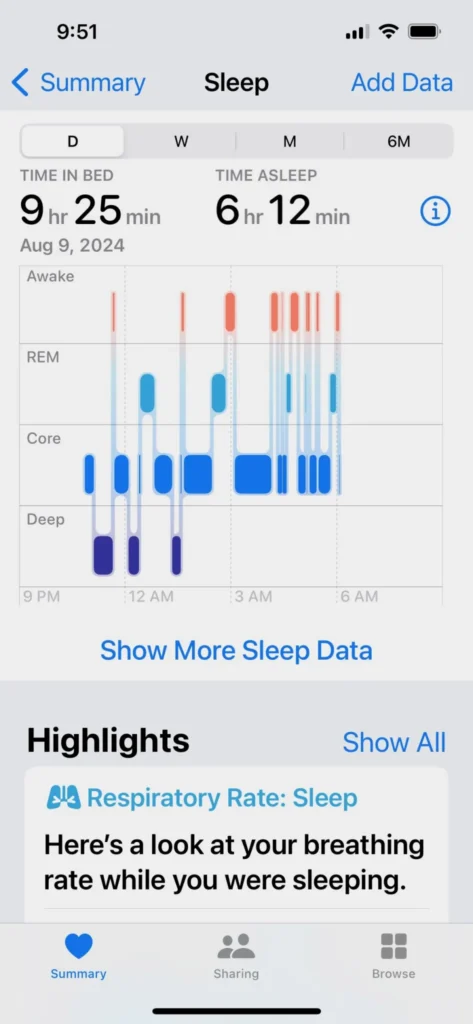
4. Get plenty of sleep
Sleep is crucial for liver health and metabolism, as it allows the body to repair and regenerate cells. Aim to get at least seven to eight hours of sleep a night, and establish a regular sleep routine to support liver function. Avoid caffeine and electronic devices before bed, as these can disrupt sleep and impact liver health.
5. Consider liver-supporting supplements
There are a number of supplements that can help to support liver health and boost metabolism. Milk thistle, dandelion root, and turmeric are all herbs that have been shown to support liver detoxification and reduce inflammation. Omega-3 fatty acids, such as fish oil, can also help to support liver health and metabolism.
FAQs
Q: Can a slow liver cause weight gain?
A: Yes, a slow liver can lead to weight gain. When the liver is not functioning properly, it can lead to insulin resistance, causing the body to store more fat and making it difficult to lose weight.
Q: How can I tell if my liver is not functioning properly?
A: Some common signs that your liver may be struggling include persistent fatigue, unexplained weight gain, digestive issues, skin problems, and hormonal imbalances.
Q: What can I do to support liver health and boost my metabolism?
A: Eating a healthy diet, staying hydrated, exercising regularly, getting plenty of sleep, and considering liver-supporting supplements can all help to support liver health and boost metabolism.
In conclusion, the liver plays a crucial role in metabolism, and when it is not functioning properly, it can lead to a sluggish metabolism and weight gain. By paying attention to warning signs such as persistent fatigue, unexplained weight gain, digestive issues, skin problems, and hormonal imbalances, and taking steps to support liver health through diet, hydration, exercise, sleep, and supplements, you can help to boost your metabolism and improve your overall health.