
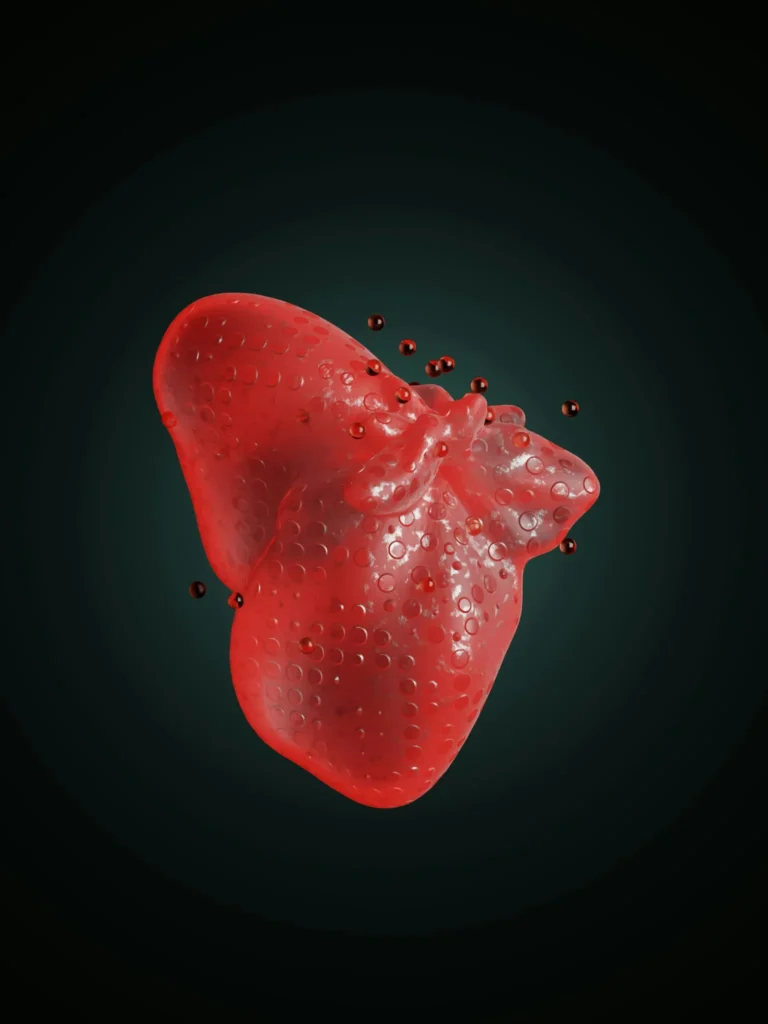
The liver is one of the most vital organs in the human body, playing a crucial role in maintaining overall health and well-being. It is responsible for performing a wide range of functions, including detoxifying harmful substances, metabolizing nutrients, and producing bile to help digest fats. In addition, the liver also plays a key role in regulating metabolism, which is the process by which the body converts food into energy.
In this article, we will discuss the importance of liver health and its impact on metabolism. We will explore how the liver functions, the factors that can affect its health, and the ways in which a healthy liver can support optimal metabolism. We will also provide some tips on how to maintain a healthy liver and answer some frequently asked questions about liver health and metabolism.
The Role of the Liver in Metabolism
The liver is a vital organ that plays a key role in metabolism. Metabolism is the process by which the body converts food into energy and other essential substances that are needed for proper functioning. The liver is responsible for several key metabolic functions, including:
1. Processing Nutrients: The liver plays a crucial role in processing nutrients from the food we eat. It metabolizes carbohydrates, fats, and proteins, converting them into energy and other essential substances that the body needs to function properly.
2. Detoxification: The liver is responsible for detoxifying harmful substances that enter the body, such as alcohol, drugs, and environmental toxins. It breaks down these substances and eliminates them from the body, helping to protect against damage and disease.
3. Bile Production: The liver produces bile, a digestive fluid that helps to break down fats and absorb essential nutrients. Bile is stored in the gallbladder and released into the small intestine when needed to aid in digestion.
4. Storage of Nutrients: The liver stores essential nutrients, such as vitamins and minerals, for future use. It releases these nutrients into the bloodstream as needed to support overall health and well-being.
Overall, the liver plays a crucial role in metabolism, helping to regulate energy production, nutrient processing, and detoxification. A healthy liver is essential for optimal metabolism and overall health.
Factors Affecting Liver Health
There are several factors that can affect liver health and function. Some of the most common factors include:
1. Poor Diet: A diet high in processed foods, unhealthy fats, and sugary drinks can put a strain on the liver and lead to fatty liver disease, inflammation, and other liver conditions.
2. Alcohol Consumption: Excessive alcohol consumption can damage the liver and lead to liver disease, cirrhosis, and other serious health problems.
3. Obesity: Being overweight or obese can increase the risk of fatty liver disease and other liver conditions, as excess fat can accumulate in the liver and impair its function.
4. Medications: Some medications can affect liver health and function, especially when taken in high doses or for extended periods of time. It is important to talk to your healthcare provider about any medications you are taking and their potential impact on your liver.
5. Viral Infections: Viral infections, such as hepatitis B and C, can cause inflammation and damage to the liver, leading to liver disease and other serious health complications.
It is important to take steps to protect your liver health and reduce your risk of developing liver conditions. This includes maintaining a healthy diet, limiting alcohol consumption, exercising regularly, and avoiding exposure to harmful substances.
The Impact of Liver Health on Metabolism
A healthy liver is essential for optimal metabolism and overall health. When the liver is functioning properly, it can help to regulate energy production, nutrient processing, and detoxification, all of which are key components of metabolism. Here are some ways in which liver health can impact metabolism:
1. Energy Production: The liver plays a key role in converting carbohydrates, fats, and proteins into energy that the body can use for fuel. When the liver is functioning properly, it can help to regulate energy production and maintain a steady supply of energy for the body’s needs.
2. Nutrient Processing: The liver is responsible for processing nutrients from the food we eat, including carbohydrates, fats, and proteins. It converts these nutrients into energy and other essential substances that the body needs to function properly. When the liver is healthy, it can help to ensure that nutrients are processed efficiently and effectively.
3. Detoxification: The liver is the body’s main detoxification organ, responsible for breaking down and eliminating harmful substances that enter the body. When the liver is healthy, it can help to detoxify the body and protect against damage and disease. This can have a positive impact on metabolism, as a healthy liver can help to ensure that toxins are eliminated efficiently and effectively.
4. Hormone Regulation: The liver plays a key role in regulating hormone levels in the body, including insulin, cortisol, and thyroid hormones. Hormones play a crucial role in metabolism, helping to regulate energy production, nutrient processing, and other metabolic functions. When the liver is healthy, it can help to ensure that hormone levels are balanced and that metabolism is functioning optimally.
Overall, liver health plays a crucial role in metabolism, helping to regulate energy production, nutrient processing, detoxification, and hormone regulation. A healthy liver is essential for optimal metabolism and overall health.
Tips for Maintaining a Healthy Liver
There are several steps you can take to maintain a healthy liver and support optimal metabolism. Here are some tips for keeping your liver healthy:
1. Eat a Healthy Diet: A diet rich in fruits, vegetables, whole grains, and lean proteins can help to support liver health and reduce the risk of liver conditions. Avoid processed foods, unhealthy fats, and sugary drinks, which can put a strain on the liver and lead to inflammation and damage.
2. Limit Alcohol Consumption: Excessive alcohol consumption can damage the liver and lead to liver disease, cirrhosis, and other serious health problems. Limit your alcohol intake and drink in moderation to protect your liver health.
3. Exercise Regularly: Regular exercise can help to support liver health and metabolism, as it can help to reduce inflammation, improve insulin sensitivity, and promote weight loss. Aim for at least 30 minutes of moderate-intensity exercise most days of the week to support overall health and well-being.
4. Maintain a Healthy Weight: Being overweight or obese can increase the risk of fatty liver disease and other liver conditions. Maintain a healthy weight through a combination of healthy eating and regular exercise to support liver health and metabolism.
5. Avoid Smoking: Smoking can damage the liver and increase the risk of liver disease and other serious health problems. If you smoke, talk to your healthcare provider about ways to quit and protect your liver health.
6. Stay Hydrated: Drinking plenty of water can help to support liver health and metabolism, as it can help to flush out toxins and waste products from the body. Aim to drink at least eight glasses of water a day to stay hydrated and support overall health.
By following these tips and making healthy lifestyle choices, you can help to maintain a healthy liver and support optimal metabolism. Taking care of your liver is essential for overall health and well-being, so be sure to prioritize liver health in your daily routine.
FAQs About Liver Health and Metabolism
Q: What are the symptoms of liver problems?
A: Some common symptoms of liver problems include fatigue, nausea, abdominal pain, jaundice (yellowing of the skin and eyes), and swelling in the abdomen or legs. If you experience any of these symptoms, it is important to talk to your healthcare provider about your concerns.
Q: How can I improve my liver health?
A: You can improve your liver health by eating a healthy diet, limiting alcohol consumption, exercising regularly, maintaining a healthy weight, and avoiding smoking. These lifestyle changes can help to support liver health and reduce the risk of liver conditions.
Q: Can liver problems affect metabolism?
A: Yes, liver problems can affect metabolism, as the liver plays a crucial role in regulating energy production, nutrient processing, and detoxification. When the liver is not functioning properly, it can impact metabolism and lead to a range of health problems.
Q: What are some common liver conditions?
A: Some common liver conditions include fatty liver disease, hepatitis B and C, cirrhosis, and liver cancer. These conditions can range from mild to severe and may require medical treatment to manage symptoms and prevent complications.
Q: How often should I have my liver checked?
A: It is recommended to have your liver checked regularly by your healthcare provider, especially if you have risk factors for liver conditions, such as obesity, diabetes, or a history of alcohol abuse. Your healthcare provider can perform blood tests and imaging studies to assess liver health and function.
In conclusion, the liver plays a crucial role in metabolism, helping to regulate energy production, nutrient processing, detoxification, and hormone regulation. A healthy liver is essential for optimal metabolism and overall health, so it is important to take steps to protect your liver health and reduce your risk of developing liver conditions. By eating a healthy diet, limiting alcohol consumption, exercising regularly, maintaining a healthy weight, and avoiding smoking, you can help to maintain a healthy liver and support optimal metabolism. If you have any concerns about your liver health or metabolism, be sure to talk to your healthcare provider for personalized advice and guidance.
