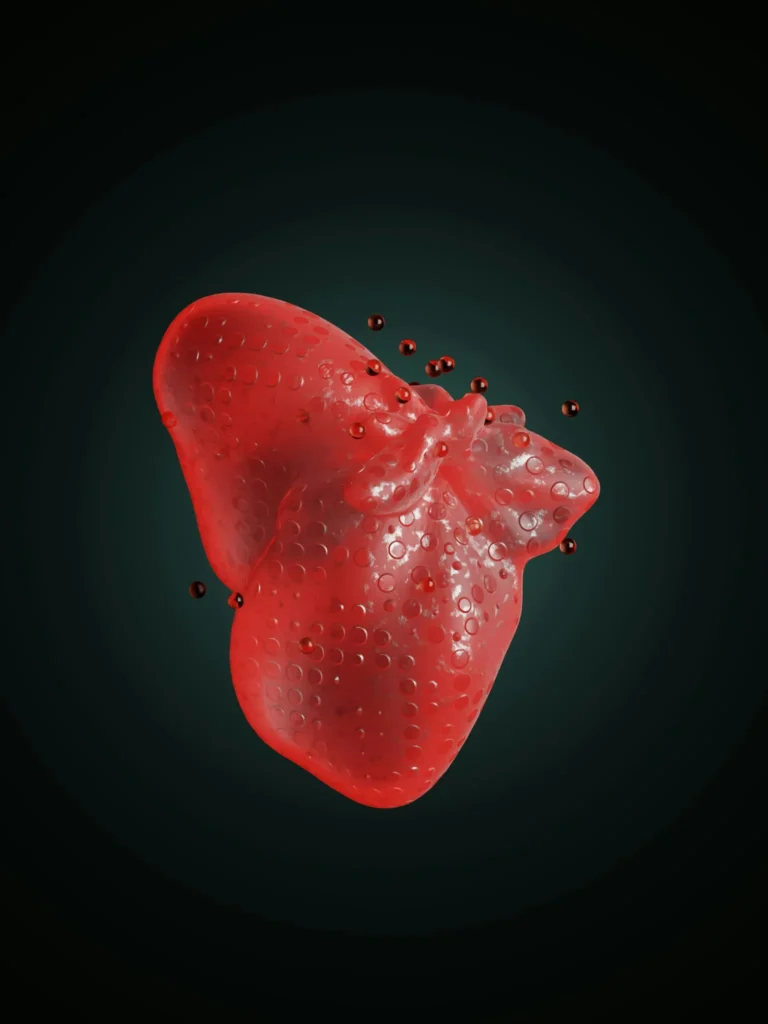

Unlocking the Secrets of Fat Storage: The Vital Role of the Liver
Unlocking the Secrets of Fat Storage: The Vital Role of the Liver
Introduction
Fat storage is a complex process that involves various organs and systems in the body. While most people associate fat storage with excess calorie intake and lack of exercise, the role of the liver in regulating fat storage is often overlooked. The liver plays a crucial role in the metabolism of fats, including the synthesis, breakdown, and storage of fat molecules. Understanding how the liver regulates fat storage can provide important insights into the development of obesity and related metabolic disorders.
In this article, we will delve into the intricate mechanisms by which the liver regulates fat storage. We will explore how the liver processes dietary fats, synthesizes new fat molecules, and stores excess fat for future energy needs. We will also discuss the impact of liver dysfunction on fat metabolism and the development of obesity. By unlocking the secrets of fat storage in the liver, we can gain a better understanding of how to prevent and treat obesity and related metabolic disorders.
The Role of the Liver in Fat Storage
The liver plays a central role in the metabolism of fats in the body. It is responsible for processing dietary fats that are absorbed from the intestines, synthesizing new fat molecules from other nutrients, and storing excess fat for future energy needs. The liver is also involved in the breakdown of stored fat molecules to provide energy for the body during times of fasting or exercise.
1. Processing Dietary Fats
When we consume foods that are high in fat, such as oils, butter, and meat, the fats are broken down in the intestines into smaller molecules called fatty acids and glycerol. These molecules are then absorbed into the bloodstream and transported to the liver for further processing. In the liver, fatty acids are either used immediately for energy production or converted into triglycerides, which are the main form of fat storage in the body.
2. Synthesizing New Fat Molecules
In addition to processing dietary fats, the liver can also synthesize new fat molecules from other nutrients, such as carbohydrates and proteins. When we consume excess calories from these nutrients, the liver converts them into fatty acids and triglycerides for storage. This process, known as de novo lipogenesis, can contribute to the accumulation of fat in the liver and other tissues, leading to obesity and related metabolic disorders.
3. Storing Excess Fat
The liver plays a key role in storing excess fat for future energy needs. When the body has an excess of energy from food intake, the liver converts the excess calories into triglycerides and stores them in specialized fat cells called adipocytes. These fat cells can expand in size to accommodate more fat molecules, leading to weight gain and obesity. The liver also regulates the release of stored fat into the bloodstream to provide energy for the body during times of fasting or exercise.
Impact of Liver Dysfunction on Fat Metabolism
Liver dysfunction can have a significant impact on fat metabolism and the development of obesity. Conditions such as non-alcoholic fatty liver disease (NAFLD) and alcoholic liver disease (ALD) can disrupt the normal processing and storage of fats in the liver, leading to the accumulation of fat in liver cells and other tissues. This can increase the risk of developing obesity, insulin resistance, type 2 diabetes, and cardiovascular disease.
NAFLD is the most common liver disorder in the Western world, affecting over 25% of the population. It is characterized by the accumulation of fat in liver cells, which can progress to inflammation, fibrosis, and cirrhosis if left untreated. NAFLD is closely linked to obesity, insulin resistance, and metabolic syndrome, and is considered a major risk factor for cardiovascular disease.
ALD is caused by excessive alcohol consumption, which can damage liver cells and impair their ability to metabolize fats. Chronic alcohol abuse can lead to fatty liver, alcoholic hepatitis, and cirrhosis, all of which can disrupt fat metabolism and increase the risk of developing obesity and related metabolic disorders. ALD is a leading cause of liver-related mortality worldwide.
In addition to NAFLD and ALD, other liver disorders such as viral hepatitis, autoimmune hepatitis, and genetic liver diseases can also impact fat metabolism and contribute to the development of obesity. These conditions can disrupt the normal functions of the liver, leading to the accumulation of fat in liver cells and other tissues.
Preventing and Treating Obesity through Liver Health
Maintaining a healthy liver is essential for preventing and treating obesity and related metabolic disorders. By promoting liver health, we can support the normal processing and storage of fats in the liver, reduce the risk of fat accumulation in other tissues, and improve metabolic function. Here are some tips for promoting liver health and preventing obesity:
1. Eat a balanced diet: Consuming a diet rich in fruits, vegetables, whole grains, and lean proteins can help support liver health and prevent the accumulation of fat in the liver. Avoiding excessive intake of high-fat and high-sugar foods can also reduce the risk of developing NAFLD and other liver disorders.
2. Exercise regularly: Physical activity is important for maintaining a healthy weight and reducing the risk of obesity. Regular exercise can help burn excess calories, improve insulin sensitivity, and promote the breakdown of stored fat for energy production. Aim for at least 150 minutes of moderate-intensity exercise per week.
3. Limit alcohol consumption: Excessive alcohol consumption can damage liver cells and impair their ability to metabolize fats. Limiting alcohol intake to moderate levels (no more than one drink per day for women and two drinks per day for men) can help reduce the risk of developing ALD and other liver disorders.
4. Maintain a healthy weight: Obesity is a major risk factor for liver dysfunction and metabolic disorders. By maintaining a healthy weight through a balanced diet and regular exercise, you can reduce the risk of developing NAFLD and other liver-related conditions. Aim for a body mass index (BMI) of 18.5-24.9 kg/m2.
5. Get regular check-ups: Regular medical check-ups can help detect liver dysfunction and metabolic disorders early, allowing for timely intervention and treatment. If you have risk factors for liver disease, such as obesity, diabetes, or high cholesterol, talk to your healthcare provider about screening tests and preventive measures.
FAQs
Q: Can the liver regenerate if damaged by excessive fat accumulation?
A: Yes, the liver has a remarkable ability to regenerate and repair itself, even if damaged by excessive fat accumulation. However, chronic liver damage from conditions such as NAFLD and ALD can impair the liver’s regenerative capacity and lead to permanent scarring (cirrhosis). Early detection and treatment of liver disorders are crucial for preventing irreversible damage.
Q: Are there any medications that can help reduce fat accumulation in the liver?
A: There are medications available that can help reduce fat accumulation in the liver and improve metabolic function. These include insulin-sensitizing agents, lipid-lowering drugs, and antioxidants. However, lifestyle modifications such as diet and exercise remain the cornerstone of treatment for liver disorders and obesity.
Q: Can herbal supplements help promote liver health and prevent fat accumulation?
A: Some herbal supplements, such as milk thistle, dandelion root, and turmeric, have been studied for their potential benefits in promoting liver health and preventing fat accumulation. However, more research is needed to confirm their effectiveness and safety. It is important to consult with a healthcare provider before taking any herbal supplements, especially if you have liver disease or are taking medications.
Q: Is bariatric surgery an effective treatment for obesity-related liver disorders?
A: Bariatric surgery, such as gastric bypass or sleeve gastrectomy, can be an effective treatment for obesity-related liver disorders, including NAFLD. These procedures can help promote weight loss, improve metabolic function, and reduce fat accumulation in the liver. However, bariatric surgery is not without risks and should be considered only after other conservative treatments have been tried.
Conclusion
The liver plays a vital role in regulating fat storage in the body. By understanding how the liver processes, synthesizes, and stores fats, we can gain important insights into the development of obesity and related metabolic disorders. Liver dysfunction can disrupt fat metabolism and increase the risk of developing NAFLD, ALD, and other liver-related conditions. By promoting liver health through a balanced diet, regular exercise, and healthy lifestyle habits, we can prevent and treat obesity and improve metabolic function. Consult with a healthcare provider for personalized recommendations on promoting liver health and preventing liver-related disorders.