
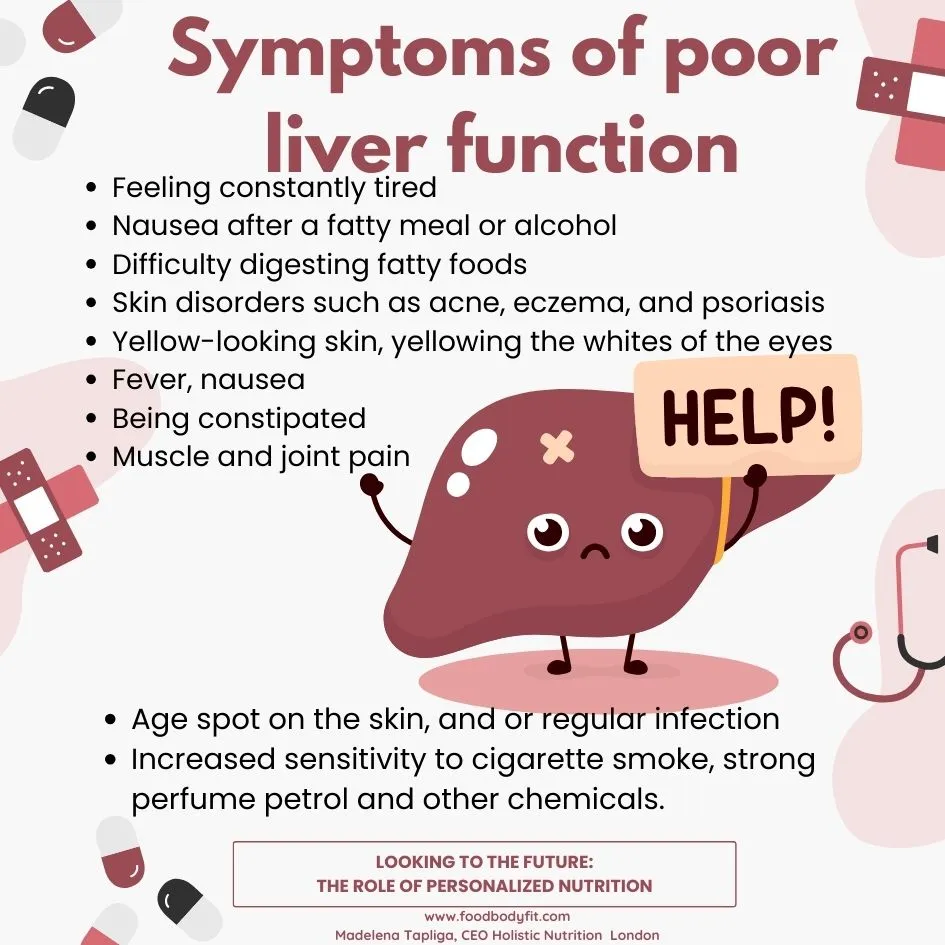
The liver plays a crucial role in the body’s metabolism and is responsible for processing fats that are consumed through the diet. Understanding how the liver processes fat is important for maintaining overall health and preventing diseases such as fatty liver disease and obesity. In this article, we will explore the secrets of how the liver processes fat and provide valuable insights into how to support liver health.
The Process of Fat Metabolism in the Liver
The liver plays a key role in the metabolism of fats by breaking down fatty acids and storing them for energy production when needed. The process of fat metabolism in the liver involves several key steps:
1. Absorption of dietary fats: When fats are consumed in the diet, they are broken down in the intestines and absorbed into the bloodstream as fatty acids. These fatty acids are then transported to the liver for further processing.
2. Storage of fats: Once in the liver, fatty acids are either used immediately for energy production or stored as triglycerides in lipid droplets for later use. The liver can store a limited amount of fat, and excess fat can lead to fatty liver disease.
3. Breakdown of fats: When energy is needed, the liver can break down stored triglycerides into fatty acids and release them into the bloodstream for use by other organs and tissues. This process, known as lipolysis, is regulated by hormones such as insulin and glucagon.
4. Production of ketone bodies: In times of fasting or low carbohydrate intake, the liver can produce ketone bodies from fatty acids as an alternative source of energy for the brain and other organs. This process, known as ketogenesis, is important for maintaining energy balance during periods of fasting.
5. Regulation of fat metabolism: The liver plays a key role in regulating fat metabolism through the production of enzymes and hormones that control the breakdown and storage of fats. Disruption of these regulatory mechanisms can lead to metabolic disorders such as fatty liver disease and obesity.
Factors Affecting Fat Metabolism in the Liver
Several factors can affect the process of fat metabolism in the liver, including diet, exercise, and genetics. Here are some key factors that influence how the liver processes fat:
1. Diet: A diet high in saturated fats, trans fats, and refined carbohydrates can lead to an accumulation of fat in the liver and increase the risk of fatty liver disease. On the other hand, a diet rich in fruits, vegetables, whole grains, and healthy fats can support liver health and promote fat metabolism.
2. Exercise: Regular physical activity can help improve fat metabolism in the liver by increasing the use of stored fats for energy production. Exercise also helps to maintain a healthy weight and reduce the risk of obesity-related liver diseases.
3. Genetics: Some individuals may have genetic variations that affect how their liver processes fat. These genetic factors can influence the risk of developing fatty liver disease and other metabolic disorders.
4. Hormones: Hormones such as insulin, glucagon, and leptin play a key role in regulating fat metabolism in the liver. Imbalances in these hormones can disrupt the process of fat metabolism and lead to metabolic disorders.
5. Alcohol consumption: Excessive alcohol consumption can damage the liver and impair its ability to metabolize fats. Chronic alcohol abuse can lead to alcoholic fatty liver disease, a serious condition that can progress to liver cirrhosis and liver failure.
Supporting Liver Health and Fat Metabolism
Maintaining a healthy liver is essential for overall health and well-being. Here are some tips to support liver health and promote fat metabolism:
1. Eat a healthy diet: Include a variety of fruits, vegetables, whole grains, and healthy fats in your diet to support liver health and promote fat metabolism. Limit consumption of saturated fats, trans fats, and refined carbohydrates.
2. Stay active: Engage in regular physical activity to improve fat metabolism in the liver and maintain a healthy weight. Aim for at least 150 minutes of moderate-intensity exercise per week.
3. Limit alcohol consumption: If you drink alcohol, do so in moderation to protect your liver from damage. Women should limit alcohol intake to one drink per day, and men should limit intake to two drinks per day.
4. Stay hydrated: Drink plenty of water to support liver function and promote the elimination of toxins from the body. Dehydration can impair liver function and slow down fat metabolism.
5. Get enough sleep: Aim for 7-9 hours of quality sleep per night to support liver health and regulate hormones that control fat metabolism. Lack of sleep can disrupt the process of fat metabolism and increase the risk of metabolic disorders.
Frequently Asked Questions
Q: Can fatty liver disease be reversed?
A: In some cases, fatty liver disease can be reversed through lifestyle changes such as diet and exercise. However, advanced stages of the disease may require medical intervention to prevent further liver damage.
Q: How can I know if I have fatty liver disease?
A: Fatty liver disease often has no symptoms in the early stages. A diagnosis can be made through blood tests, imaging studies such as ultrasound or MRI, or a liver biopsy.
Q: Is it safe to take supplements for liver health?
A: Some supplements may support liver health, but it is important to consult with a healthcare provider before taking any supplements, as they can interact with medications and have side effects.
Q: How often should I get my liver function tested?
A: It is recommended to have liver function tests done annually as part of a routine check-up. Individuals with risk factors for liver disease, such as obesity or alcohol consumption, may need more frequent monitoring.
Q: Can liver damage from fatty liver disease be reversed?
A: Early stages of liver damage from fatty liver disease may be reversible with lifestyle changes. However, advanced stages of the disease may require medical intervention to prevent further damage.
In conclusion, the liver plays a crucial role in processing fats and maintaining overall health. Understanding how the liver processes fat and taking steps to support liver health can help prevent diseases such as fatty liver disease and obesity. By following a healthy diet, staying active, and avoiding excessive alcohol consumption, you can promote fat metabolism in the liver and protect your liver from damage. If you have concerns about your liver health, consult with a healthcare provider for personalized advice and treatment options.
