Understanding Liver Enzymes: What You Need to Know
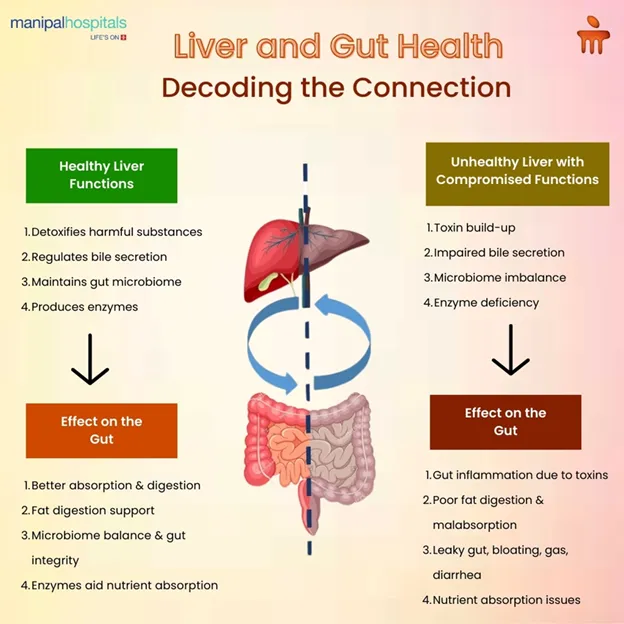
The liver is one of the most important organs in the body, responsible for a wide range of functions including detoxification, metabolism, and the production of bile to aid in digestion. One of the key indicators of liver health is the levels of enzymes in the blood, which can provide valuable information about the liver’s function and potential issues. In this article, we will explore what liver enzymes are, how they are measured, what abnormal levels may indicate, and how to keep your liver healthy.
What are Liver Enzymes?
Liver enzymes are proteins that help to speed up chemical reactions in the liver. They are produced by the liver cells and released into the bloodstream when the liver is damaged or inflamed. There are several different types of liver enzymes that are commonly measured in blood tests, including:
– Alanine aminotransferase (ALT): This enzyme is found in the liver and is released into the bloodstream when there is liver damage. Elevated levels of ALT may indicate liver disease or damage.
– Aspartate aminotransferase (AST): Like ALT, AST is also found in the liver and can be elevated in cases of liver damage or disease.
– Alkaline phosphatase (ALP): This enzyme is found in many tissues in the body, including the liver, bones, and intestines. Elevated levels of ALP may indicate liver disease or bone disorders.
– Gamma-glutamyl transferase (GGT): GGT is found in the liver and bile ducts, and elevated levels may indicate liver disease or alcohol abuse.
How are Liver Enzymes Measured?
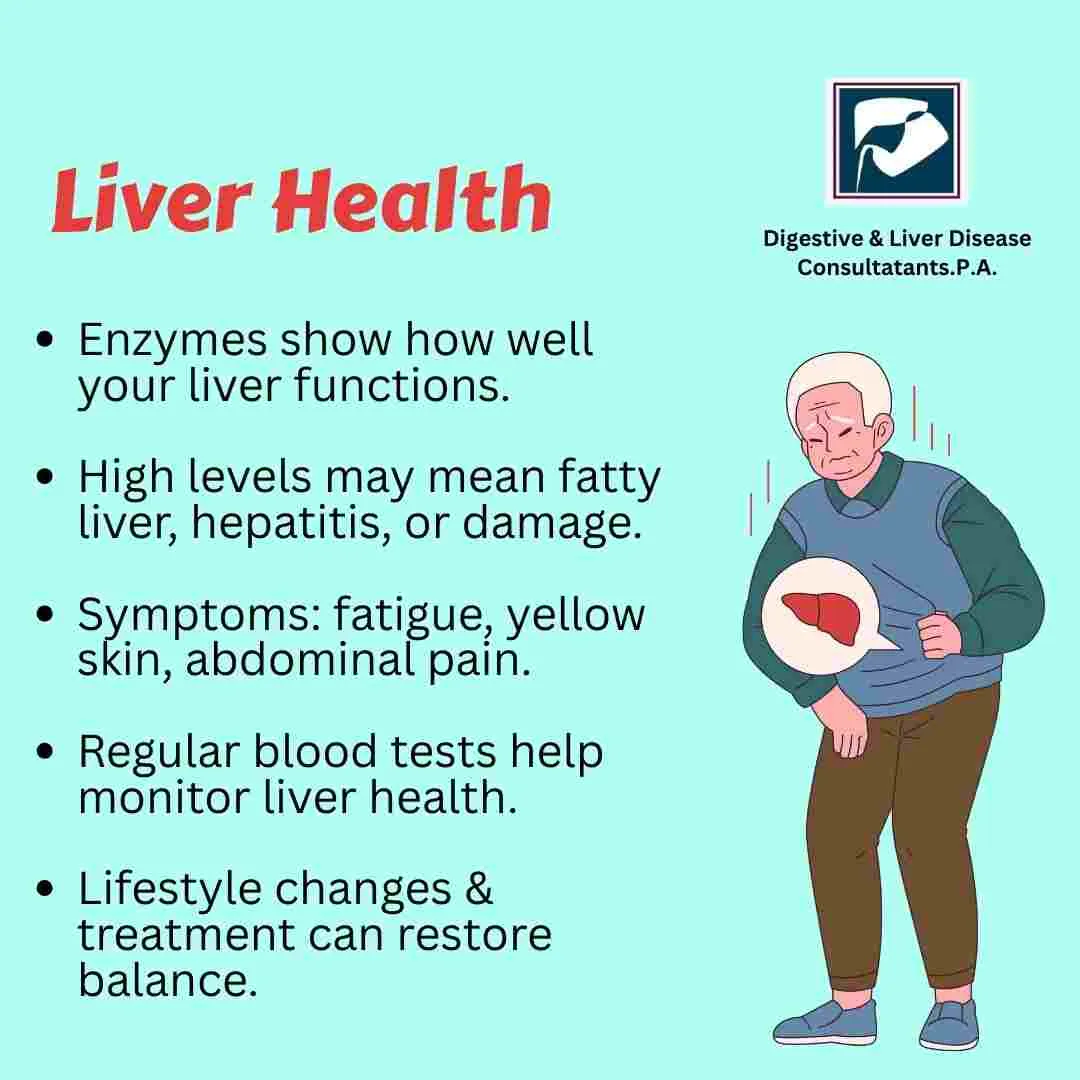
Liver enzymes are typically measured through a simple blood test called a liver function panel. This test measures the levels of ALT, AST, ALP, and GGT in the blood, as well as other markers of liver health such as bilirubin and albumin. The results of these tests can help to diagnose liver disease, monitor the progression of liver damage, and assess the effectiveness of treatment.
What Abnormal Levels of Liver Enzymes May Indicate?
Abnormal levels of liver enzymes can indicate a wide range of liver issues, including:
– Hepatitis: Inflammation of the liver caused by viral infections, alcohol abuse, or autoimmune disorders.
– Cirrhosis: Scarring of the liver tissue, often caused by chronic liver disease or excessive alcohol consumption.
– Non-alcoholic fatty liver disease (NAFLD): A condition in which fat accumulates in the liver, leading to inflammation and liver damage.
– Liver cancer: A rare but serious complication of chronic liver disease.
In addition to liver issues, abnormal levels of liver enzymes can also be caused by other factors such as medications, muscle injury, or gallbladder disease. It is important to consult with a healthcare provider if you have elevated liver enzymes to determine the underlying cause and appropriate treatment.
How to Keep Your Liver Healthy?
Maintaining a healthy lifestyle is essential for keeping your liver in optimal condition. Here are some tips for keeping your liver healthy:
– Limit alcohol consumption: Excessive alcohol intake can damage the liver and lead to liver disease. Limit your alcohol consumption to no more than one drink per day for women and two drinks per day for men.
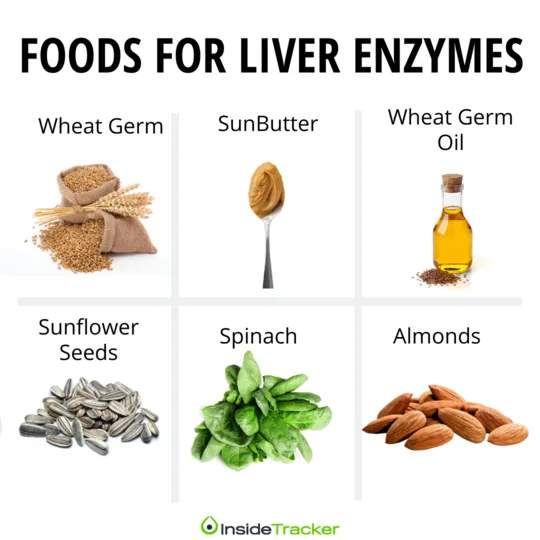
– Eat a healthy diet: A diet high in fruits, vegetables, whole grains, and lean proteins can help to support liver health. Avoid processed foods, sugary drinks, and high-fat foods that can contribute to liver damage.
– Exercise regularly: Regular physical activity can help to maintain a healthy weight and reduce the risk of fatty liver disease.
– Avoid risky behaviors: Practice safe sex, avoid sharing needles, and get vaccinated against hepatitis to reduce the risk of liver infections.
– Get regular check-ups: Schedule regular visits with your healthcare provider to monitor your liver health and discuss any concerns or symptoms.
FAQs:
Q: What can cause elevated liver enzymes?
A: Elevated liver enzymes can be caused by a variety of factors, including liver disease, alcohol abuse, medications, infections, and other medical conditions.
Q: Are elevated liver enzymes always a sign of liver disease?
A: Not necessarily. Elevated liver enzymes can be caused by a wide range of factors, so it is important to consult with a healthcare provider to determine the underlying cause.
Q: Can liver enzymes be lowered naturally?
A: In some cases, lifestyle changes such as diet, exercise, and limiting alcohol intake can help to lower liver enzymes. However, it is important to consult with a healthcare provider for personalized recommendations.
Q: How often should liver enzymes be checked?
A: The frequency of liver enzyme testing depends on individual risk factors and medical history. It is important to follow the guidance of your healthcare provider for regular monitoring.
In conclusion, understanding liver enzymes is essential for maintaining optimal liver health and preventing liver disease. By monitoring your liver enzymes through blood tests, making healthy lifestyle choices, and seeking medical attention when needed, you can support your liver and overall well-being. If you have concerns about your liver health or abnormal liver enzyme levels, consult with a healthcare provider for personalized recommendations and treatment.