
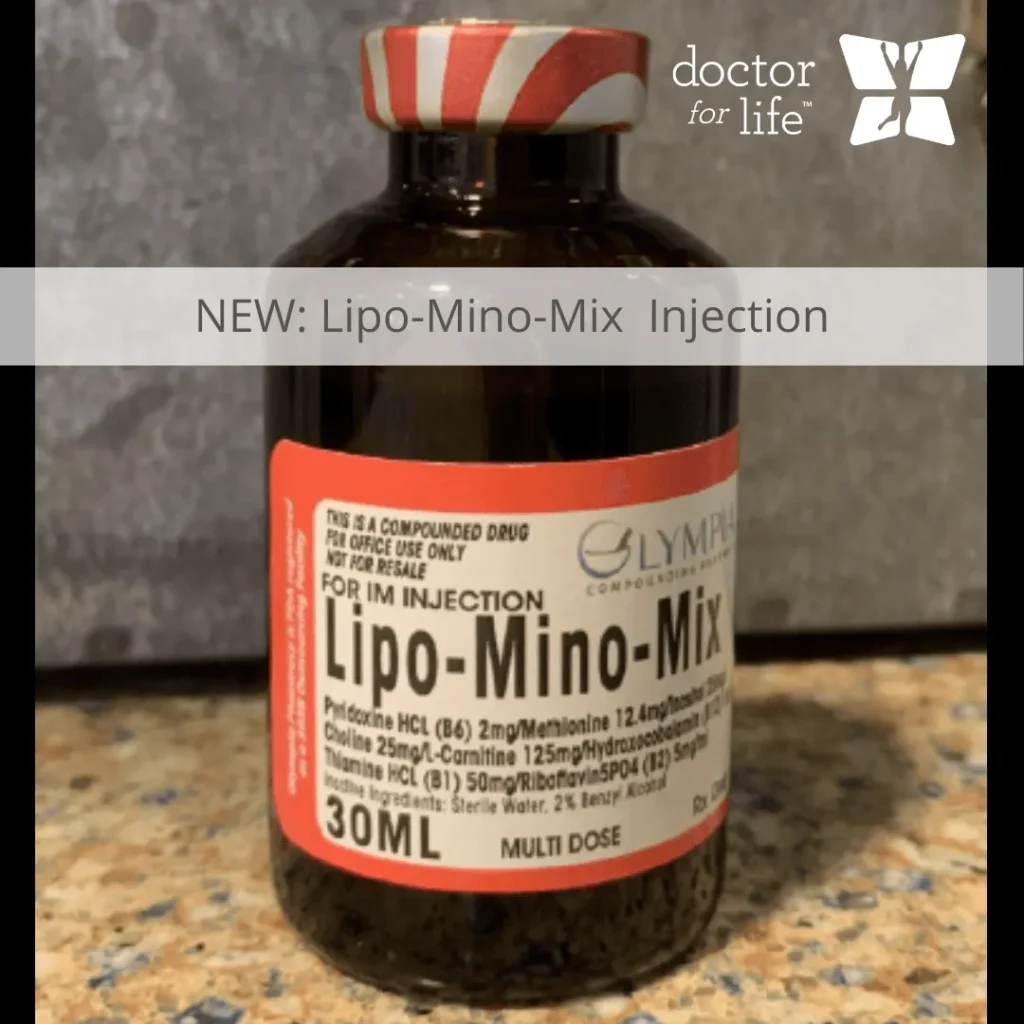
The Ultimate Guide to Boosting Fat Metabolism: Healthy Routines to Try
Introduction
In today’s fast-paced world, many people struggle with weight management and maintaining a healthy metabolism. One of the key factors in achieving and maintaining a healthy weight is having a fast and efficient fat metabolism. Fat metabolism refers to the process by which the body breaks down and uses fat for energy. By boosting your fat metabolism, you can increase your energy levels, improve your overall health, and achieve your weight loss goals more easily.
In this comprehensive guide, we will explore the best ways to boost your fat metabolism through healthy routines and lifestyle changes. From diet and exercise tips to stress management techniques, we will cover everything you need to know to kickstart your metabolism and achieve your health and wellness goals.
The Basics of Fat Metabolism
Before we dive into the specific strategies for boosting your fat metabolism, let’s first take a closer look at how the body metabolizes fat. When you consume food, your body breaks down the nutrients into their basic components, including carbohydrates, proteins, and fats. These nutrients are then used as energy sources to fuel various bodily functions, such as digestion, circulation, and physical activity.
Fat metabolism specifically refers to the process by which the body breaks down stored fat for energy. When the body is in a state of energy deficit, such as during periods of fasting or intense exercise, it will turn to stored fat for fuel. The fat is broken down into fatty acids and glycerol, which are then used by the body’s cells to produce energy.
Boosting your fat metabolism involves increasing the rate at which your body breaks down and uses fat for energy. This can be achieved through a combination of diet, exercise, and lifestyle changes that support a healthy metabolism. By adopting the right habits and routines, you can rev up your metabolism and start burning fat more efficiently.
Healthy Dietary Habits for Boosting Fat Metabolism
One of the most important factors in boosting fat metabolism is maintaining a healthy and balanced diet. By choosing the right foods and eating habits, you can support your metabolism and promote fat burning. Here are some dietary tips to help boost your fat metabolism:
1. Focus on whole, nutrient-dense foods: When it comes to boosting fat metabolism, the quality of your food choices is key. Opt for whole, unprocessed foods that are rich in nutrients, such as fruits, vegetables, lean proteins, and whole grains. These foods provide essential vitamins, minerals, and antioxidants that support a healthy metabolism.
2. Include healthy fats in your diet: Contrary to popular belief, not all fats are bad for you. In fact, healthy fats are essential for supporting fat metabolism and overall health. Include sources of healthy fats in your diet, such as avocados, nuts, seeds, and fatty fish like salmon and sardines.
3. Eat balanced meals: To support a healthy metabolism, aim to eat balanced meals that contain a mix of carbohydrates, proteins, and fats. This will help stabilize your blood sugar levels, prevent energy crashes, and keep your metabolism running smoothly.
4. Stay hydrated: Drinking an adequate amount of water is essential for supporting fat metabolism. Water helps flush out toxins, regulate body temperature, and support digestion, all of which are important for a healthy metabolism. Aim to drink at least 8-10 glasses of water per day to stay hydrated.
5. Limit processed and sugary foods: Processed foods and sugary drinks can wreak havoc on your metabolism and promote weight gain. Limit your intake of these foods and opt for whole, natural alternatives instead.
Exercise Strategies for Boosting Fat Metabolism
In addition to a healthy diet, regular exercise is crucial for boosting fat metabolism and promoting weight loss. Physical activity helps increase your metabolic rate, build lean muscle mass, and burn calories, all of which are important for fat metabolism. Here are some exercise strategies to help boost your fat metabolism:
1. Incorporate strength training: Strength training exercises, such as weight lifting or bodyweight exercises, are effective for building lean muscle mass and boosting fat metabolism. Muscle tissue is more metabolically active than fat tissue, so the more muscle you have, the more calories you burn at rest.
2. Include high-intensity interval training (HIIT): HIIT workouts involve short bursts of intense exercise followed by periods of rest or lower-intensity activity. This type of training is effective for boosting fat metabolism, increasing calorie burn, and improving cardiovascular fitness.
3. Stay active throughout the day: In addition to structured exercise sessions, it’s important to stay active throughout the day to support fat metabolism. Take the stairs instead of the elevator, go for a walk during your lunch break, or do some stretching exercises while watching TV.
4. Mix up your workouts: To prevent plateaus and keep your metabolism revved up, it’s important to vary your workouts. Try different types of exercise, such as cardio, strength training, yoga, or Pilates, to challenge your body and keep things interesting.
5. Listen to your body: It’s important to listen to your body and pay attention to how you feel during and after exercise. If you’re feeling fatigued or sore, give yourself time to rest and recover. Pushing yourself too hard can actually hinder fat metabolism and lead to burnout.
Lifestyle Habits for Supporting Fat Metabolism
In addition to diet and exercise, certain lifestyle habits can also support fat metabolism and overall health. By incorporating these healthy routines into your daily life, you can boost your metabolism and achieve your weight loss goals more easily. Here are some lifestyle habits to try:
1. Get enough sleep: Adequate sleep is essential for supporting fat metabolism and overall health. Lack of sleep can disrupt hormone levels, increase cravings for unhealthy foods, and slow down metabolism. Aim to get 7-9 hours of quality sleep per night to support fat metabolism.
2. Manage stress: Chronic stress can have a negative impact on metabolism and promote weight gain. Find healthy ways to manage stress, such as meditation, yoga, deep breathing exercises, or spending time in nature. Taking time to relax and unwind can help support fat metabolism and overall well-being.
3. Stay hydrated: In addition to supporting fat metabolism, staying hydrated is important for overall health and well-being. Drinking enough water helps flush out toxins, regulate body temperature, and support digestion, all of which are important for a healthy metabolism.
4. Practice mindful eating: Mindful eating involves paying attention to your hunger cues, eating slowly, and savoring each bite. By practicing mindful eating, you can prevent overeating, improve digestion, and support fat metabolism.
5. Limit alcohol consumption: Alcohol can interfere with fat metabolism and promote weight gain. Limit your alcohol consumption to support a healthy metabolism and achieve your weight loss goals.
Frequently Asked Questions (FAQs)
Q: What are some natural supplements that can help boost fat metabolism?
A: Certain natural supplements, such as green tea extract, caffeine, and conjugated linoleic acid (CLA), have been shown to support fat metabolism and promote weight loss. However, it’s important to consult with a healthcare provider before taking any supplements to ensure they are safe and effective for you.
Q: Can genetics affect fat metabolism?
A: Yes, genetics can play a role in fat metabolism and weight management. Some people may have a genetic predisposition to a slower metabolism or a tendency to store fat more easily. However, lifestyle factors, such as diet, exercise, and sleep, can still have a significant impact on fat metabolism, regardless of genetics.
Q: How long does it take to see results from boosting fat metabolism?
A: The timeline for seeing results from boosting fat metabolism can vary depending on individual factors, such as age, gender, metabolism, and lifestyle habits. Some people may start to see improvements in energy levels, weight loss, and overall health within a few weeks of adopting healthy routines. However, it’s important to be patient and consistent with your efforts, as sustainable changes take time to see lasting results.
Q: Are there any specific diets that are effective for boosting fat metabolism?
A: While there is no one-size-fits-all diet for boosting fat metabolism, certain eating patterns, such as the Mediterranean diet or the ketogenic diet, have been shown to support fat metabolism and promote weight loss. These diets emphasize whole, nutrient-dense foods, healthy fats, and lean proteins, which can help rev up metabolism and burn fat more efficiently.
Q: What are some signs that my fat metabolism may be sluggish?
A: Signs of a sluggish metabolism can include fatigue, weight gain, difficulty losing weight, cravings for sugary or processed foods, and low energy levels. If you suspect your metabolism may be sluggish, it’s important to consult with a healthcare provider to determine the underlying causes and develop a plan to boost your metabolism.
Conclusion
Boosting fat metabolism is a key component of achieving and maintaining a healthy weight. By adopting healthy habits, such as following a balanced diet, exercising regularly, managing stress, and getting enough sleep, you can support your metabolism and promote fat burning. By incorporating the tips and strategies outlined in this guide into your daily routine, you can kickstart your metabolism, increase your energy levels, and achieve your health and wellness goals. Remember to be patient and consistent with your efforts, as sustainable changes take time to see lasting results. With dedication and perseverance, you can boost your fat metabolism and achieve a healthier, happier you.
