
The Surprising Link Between Sleep and Liver Health
Introduction
The importance of getting a good night’s sleep is well-known, but what many people may not realize is the significant impact that sleep can have on liver health. The liver is a vital organ responsible for filtering toxins from the blood, producing bile to aid in digestion, and storing energy in the form of glycogen. When the liver is not functioning properly, it can lead to a host of health issues including fatty liver disease, hepatitis, and cirrhosis. In recent years, research has shown that there is a strong link between sleep and liver health, with poor sleep habits being associated with an increased risk of liver disease. In this article, we will explore the surprising connection between sleep and liver health, and offer tips on how to improve both for a healthier you.
The Relationship Between Sleep and Liver Health
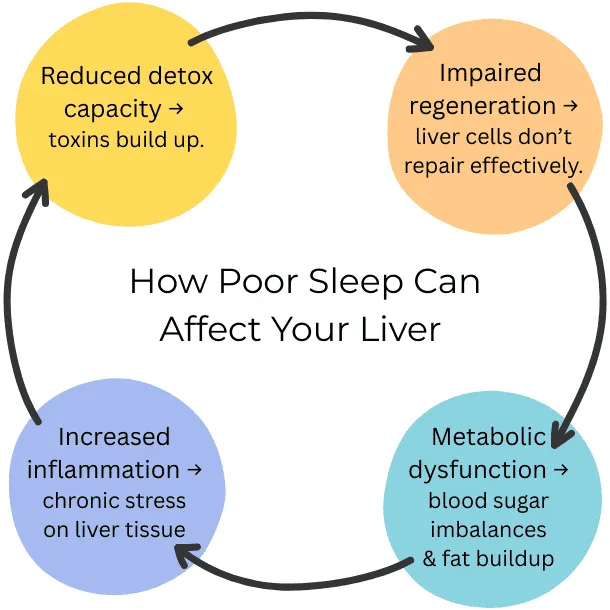
The liver plays a crucial role in the body’s metabolic processes, including the breakdown of fats, proteins, and carbohydrates. When we sleep, our bodies undergo a process called autophagy, which is the body’s way of cleaning out damaged cells and regenerating new ones. During this process, the liver works to break down fats and toxins that have accumulated throughout the day. Without enough restful sleep, the liver is unable to perform these essential functions effectively, leading to a buildup of toxins in the body and an increased risk of liver disease.
Studies have shown that people who consistently get less than six hours of sleep per night are at a higher risk of developing non-alcoholic fatty liver disease (NAFLD), a condition in which excess fat builds up in the liver. NAFLD is a common liver disorder that can progress to more serious conditions such as cirrhosis and liver cancer if left untreated. In addition to NAFLD, poor sleep has also been linked to an increased risk of liver inflammation, hepatitis C progression, and liver fibrosis.
One of the key reasons why poor sleep can negatively impact liver health is due to the disruption of the body’s circadian rhythm. The circadian rhythm is our body’s internal clock that regulates processes such as sleep-wake cycles, hormone production, and metabolism. When we do not get enough sleep or have irregular sleep patterns, our circadian rhythm becomes disrupted, leading to imbalances in hormone levels and metabolic processes. This can put a strain on the liver, causing it to work harder to metabolize fats and toxins, which can contribute to liver damage over time.
Tips for Improving Sleep and Liver Health
Fortunately, there are steps that you can take to improve both your sleep and liver health. Here are some tips to help you get a good night’s rest and support your liver function:
1. Establish a consistent sleep schedule: Try to go to bed and wake up at the same time every day, even on weekends. This will help regulate your body’s internal clock and improve the quality of your sleep.
2. Create a relaxing bedtime routine: Wind down before bed by engaging in calming activities such as reading, taking a warm bath, or practicing meditation. Avoid stimulating activities such as watching TV or using electronic devices right before bedtime.
3. Create a sleep-friendly environment: Make sure your bedroom is dark, quiet, and cool to promote restful sleep. Invest in a comfortable mattress and pillows to ensure a good night’s rest.
4. Limit caffeine and alcohol intake: Both caffeine and alcohol can disrupt sleep patterns and put a strain on the liver. Try to limit your intake of these substances, especially in the hours leading up to bedtime.
5. Eat a healthy diet: A diet rich in fruits, vegetables, whole grains, and lean proteins can support liver health and improve sleep quality. Avoid processed foods, sugary drinks, and fried foods, which can contribute to liver damage and disrupt sleep.
6. Exercise regularly: Regular physical activity can improve sleep quality and support liver function. Aim for at least 30 minutes of moderate exercise most days of the week to reap the benefits.
7. Manage stress: Chronic stress can disrupt sleep patterns and put a strain on the liver. Practice stress-reducing techniques such as deep breathing, yoga, or mindfulness meditation to help calm your mind and improve sleep quality.
By incorporating these tips into your daily routine, you can improve both your sleep and liver health, leading to a healthier and happier you.
FAQs
Q: Can poor sleep lead to liver disease?
A: Yes, poor sleep habits have been associated with an increased risk of liver disease, including non-alcoholic fatty liver disease (NAFLD), liver inflammation, hepatitis C progression, and liver fibrosis.
Q: How many hours of sleep should I aim for each night?
A: Most adults should aim for 7-9 hours of sleep per night to maintain optimal health and well-being.
Q: Can improving my sleep habits help improve my liver health?
A: Yes, by getting enough restful sleep and maintaining a healthy sleep routine, you can support your liver function and reduce the risk of liver disease.
Q: What are some signs that my liver may not be functioning properly?
A: Symptoms of liver dysfunction may include fatigue, jaundice (yellowing of the skin and eyes), abdominal pain, nausea, and dark urine. If you are experiencing any of these symptoms, it is important to consult with a healthcare professional for further evaluation.
Q: Are there any supplements that can support liver health?
A: There are several supplements that have been shown to support liver health, including milk thistle, N-acetylcysteine (NAC), and turmeric. However, it is important to consult with a healthcare professional before starting any new supplement regimen to ensure safety and efficacy.
Conclusion
In conclusion, the link between sleep and liver health is a surprising but significant one. Poor sleep habits can have a detrimental impact on liver function, increasing the risk of liver disease and other serious health issues. By prioritizing good sleep hygiene, establishing a consistent sleep routine, and supporting liver health through diet and lifestyle choices, you can improve both your sleep quality and liver function. Remember, a healthy liver is essential for overall well-being, so take care of it by getting enough restful sleep each night. Your liver will thank you for it.
