
The liver is one of the most important organs in the body, responsible for a wide range of functions that are essential to our overall health and well-being. As we age, our liver health becomes even more critical, as the organ may become more susceptible to damage and disease. In this article, we will explore the importance of liver health after the age of 40 and discuss ways to protect and support this vital organ.
The Liver: An Overview
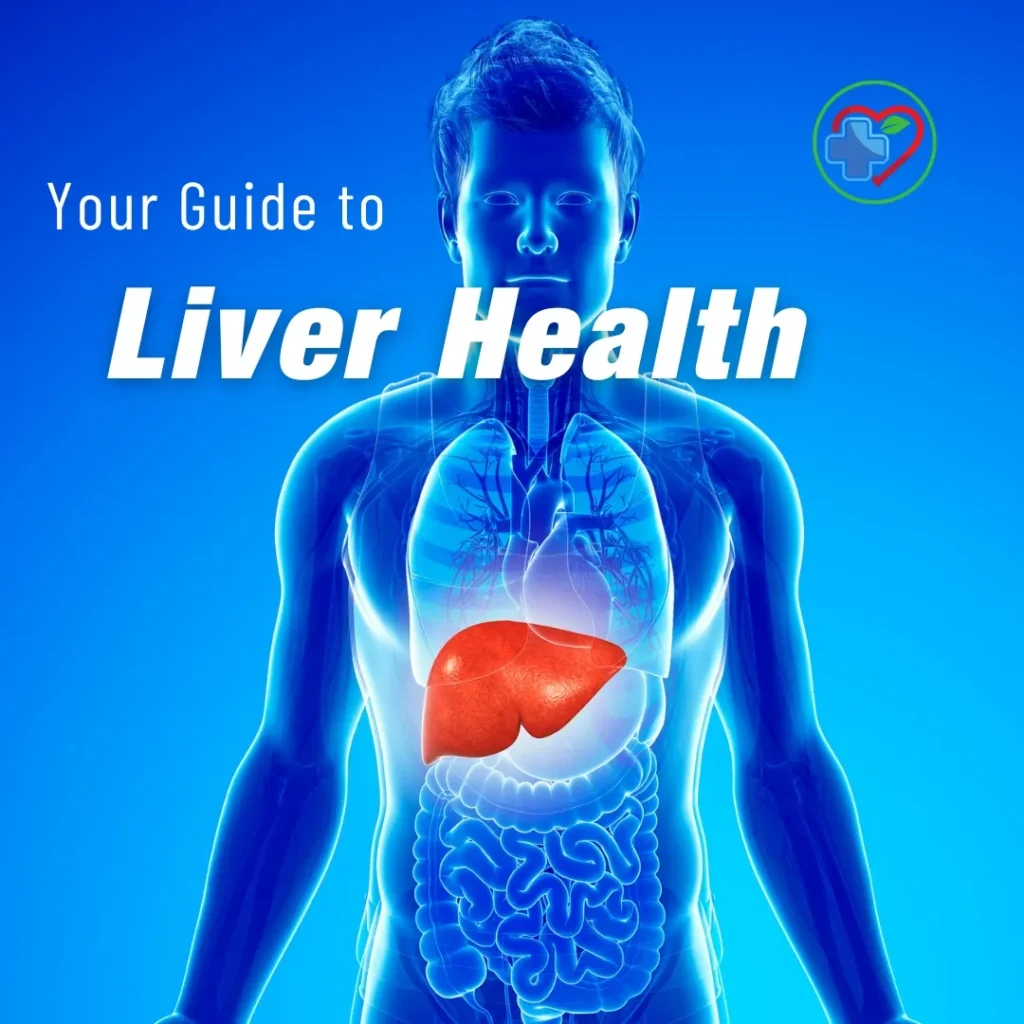
The liver is a large, vital organ located in the upper right side of the abdomen, just below the diaphragm. It plays a crucial role in maintaining overall health by performing a wide range of functions, including:
– Filtering blood: The liver filters blood from the digestive tract before it travels to the rest of the body, removing toxins and harmful substances in the process.
– Metabolizing nutrients: The liver metabolizes nutrients from food, such as proteins, fats, and carbohydrates, and converts them into energy or stores them for later use.
– Producing bile: The liver produces bile, a substance that helps digest fats and eliminate waste products from the body.
– Detoxifying the body: The liver is responsible for detoxifying harmful substances, such as alcohol, drugs, and environmental toxins, and eliminating them from the body.
– Regulating blood sugar levels: The liver helps regulate blood sugar levels by storing excess glucose as glycogen and releasing it when needed to maintain a stable blood sugar level.
As we age, the liver may become less efficient at performing these functions, making it more susceptible to damage and disease. Factors such as a poor diet, excessive alcohol consumption, smoking, and certain medications can all contribute to liver damage and disease.
The Importance of Liver Health After 40
After the age of 40, it becomes even more important to prioritize liver health and take steps to protect and support this vital organ. Here are some reasons why liver health is crucial after the age of 40:
– Increased risk of liver disease: As we age, the risk of developing liver disease, such as fatty liver disease, hepatitis, and liver cancer, increases. By taking steps to protect and support the liver, we can reduce the risk of developing these conditions and maintain overall health.
– Slower metabolism: As we age, our metabolism slows down, making it more difficult for the liver to metabolize nutrients and eliminate toxins from the body. By supporting liver health, we can help maintain a healthy metabolism and prevent weight gain and other metabolic disorders.
– Reduced immune function: The liver plays a crucial role in supporting the immune system by filtering out harmful substances and toxins from the blood. As we age, the immune system may become weaker, making it more important to support liver health to maintain a strong immune system.
– Improved energy levels: A healthy liver is essential for maintaining energy levels and overall vitality. By supporting liver health, we can boost energy levels, improve mood, and enhance overall well-being.
– Preventing chronic diseases: The liver plays a key role in preventing chronic diseases, such as heart disease, diabetes, and cancer. By supporting liver health, we can reduce the risk of developing these conditions and maintain overall health and longevity.
Ways to Protect Your Liver After 40
There are several ways to protect and support liver health after the age of 40. Here are some tips to help you maintain a healthy liver:
– Eat a healthy diet: A diet rich in fruits, vegetables, whole grains, and lean proteins can help support liver health and reduce the risk of liver disease. Avoiding processed foods, sugary drinks, and excessive alcohol consumption can also help protect the liver.
– Stay hydrated: Drinking plenty of water can help flush toxins out of the body and support liver function. Aim to drink at least 8-10 glasses of water per day to keep your liver healthy.
– Exercise regularly: Regular exercise can help improve liver function, boost metabolism, and reduce the risk of liver disease. Aim for at least 30 minutes of moderate-intensity exercise, such as walking or cycling, most days of the week.
– Maintain a healthy weight: Being overweight or obese can increase the risk of fatty liver disease and other liver conditions. By maintaining a healthy weight through diet and exercise, you can reduce the risk of developing these conditions.
– Limit alcohol consumption: Excessive alcohol consumption can damage the liver and increase the risk of liver disease. If you choose to drink alcohol, do so in moderation and avoid binge drinking.
– Avoid smoking: Smoking can harm the liver and increase the risk of liver disease. If you smoke, consider quitting to protect your liver and improve overall health.
– Get regular check-ups: Regular visits to your healthcare provider can help monitor liver function and detect any issues early on. Be sure to discuss any concerns you have about your liver health with your healthcare provider.
FAQs about Liver Health After 40
Q: What are the signs of liver damage?
A: Signs of liver damage may include fatigue, abdominal pain, jaundice (yellowing of the skin and eyes), dark urine, and swelling in the abdomen or legs. If you experience any of these symptoms, be sure to consult your healthcare provider for further evaluation.
Q: Can liver damage be reversed?
A: In some cases, liver damage can be reversed through lifestyle changes, such as improving diet, exercising, and avoiding alcohol and other harmful substances. However, in more severe cases, such as advanced liver disease, liver damage may be irreversible and may require medical intervention.
Q: Are there any supplements that can support liver health?
A: Some supplements, such as milk thistle, turmeric, and vitamin E, have been shown to support liver health and function. However, it is important to consult with your healthcare provider before taking any supplements, as they may interact with medications or have side effects.
Q: How often should I get my liver checked?
A: It is recommended to have your liver function checked regularly, especially if you are at risk for liver disease. Your healthcare provider can advise you on how often you should have liver function tests based on your individual risk factors and health history.
Q: What are some common risk factors for liver disease?
A: Common risk factors for liver disease include obesity, diabetes, high cholesterol, excessive alcohol consumption, smoking, and a diet high in processed foods and sugar. By addressing these risk factors and adopting a healthy lifestyle, you can reduce the risk of developing liver disease.
In conclusion, liver health becomes increasingly important after the age of 40, as the risk of liver disease and damage increases with age. By prioritizing liver health through a healthy diet, regular exercise, and avoiding harmful substances, you can protect and support this vital organ and maintain overall health and well-being. Be sure to consult with your healthcare provider for personalized advice on how to protect your liver and maintain a healthy lifestyle as you age.
