
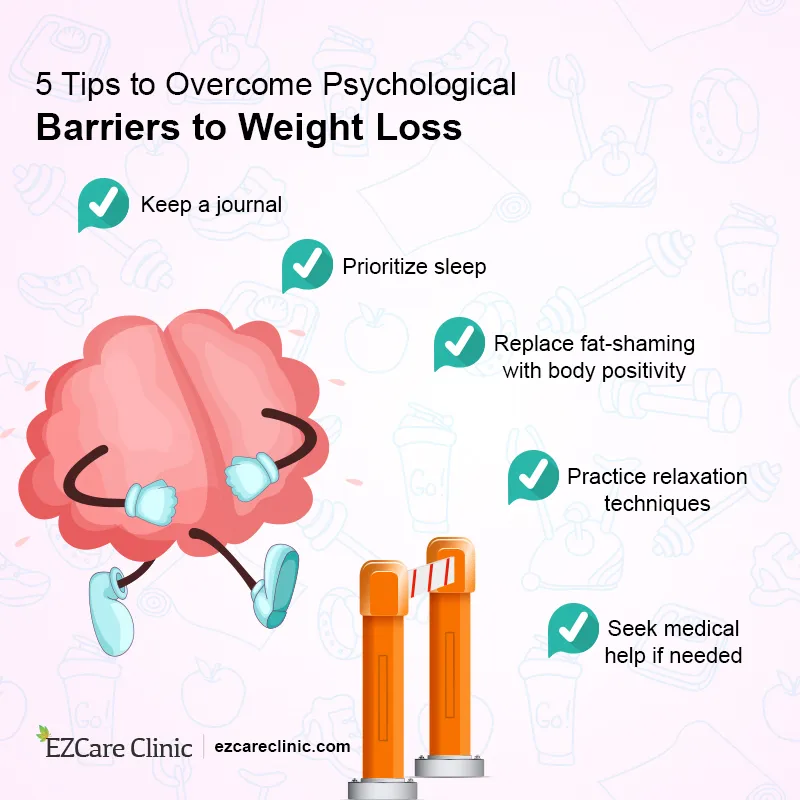
Unpacking the Psychological Barriers to Weight Loss
Introduction
Weight loss is a common goal for many people, but it can be a challenging journey. While there are many physical factors that can affect weight loss, such as diet and exercise, there are also psychological barriers that can make it difficult to achieve and maintain a healthy weight. In this article, we will explore some of the most common psychological barriers to weight loss and provide strategies for overcoming them.
1. Fear of Failure
One of the most common psychological barriers to weight loss is the fear of failure. Many people who have tried to lose weight in the past may have experienced setbacks or regained the weight they lost, leading to feelings of frustration and hopelessness. This fear of failure can make it difficult to stay motivated and committed to a weight loss plan.
To overcome this barrier, it is important to set realistic and achievable goals. Instead of focusing on a specific number on the scale, focus on making small, sustainable changes to your diet and exercise routine. Celebrate your successes, no matter how small, and remember that setbacks are a normal part of the weight loss journey.
2. Emotional Eating
Emotional eating is another common psychological barrier to weight loss. Many people turn to food as a way to cope with stress, anxiety, or other negative emotions. This can lead to overeating and unhealthy food choices, which can sabotage weight loss efforts.
To overcome emotional eating, it is important to identify the triggers that cause you to turn to food for comfort. Keep a food diary to track your emotions and eating habits, and find healthy ways to cope with stress and negative emotions, such as exercise, meditation, or talking to a therapist.
3. Negative Self-Talk
Negative self-talk can also be a significant barrier to weight loss. Many people have negative beliefs about themselves and their ability to lose weight, which can undermine their confidence and motivation. This can lead to self-sabotaging behaviors, such as overeating or skipping workouts.
To overcome negative self-talk, it is important to challenge your negative beliefs and replace them with positive affirmations. Focus on your strengths and achievements, and remind yourself that you are capable of achieving your weight loss goals. Surround yourself with supportive and positive people who can help you stay motivated and on track.
4. Lack of Self-Compassion
Lack of self-compassion is another common psychological barrier to weight loss. Many people are harsh and critical of themselves, especially when it comes to their weight and body image. This can lead to feelings of shame and guilt, which can make it difficult to stick to a healthy eating and exercise plan.
To overcome this barrier, practice self-compassion and treat yourself with kindness and understanding. Remember that nobody is perfect, and it is okay to make mistakes. Focus on progress, not perfection, and be gentle with yourself as you work towards your weight loss goals.
5. Low Self-Esteem
Low self-esteem can also be a significant barrier to weight loss. Many people who struggle with their weight may have negative beliefs about themselves and their worthiness, which can affect their motivation and confidence. This can make it difficult to make healthy choices and stick to a weight loss plan.
To overcome low self-esteem, it is important to work on building your self-confidence and self-worth. Focus on your strengths and accomplishments, and surround yourself with supportive and positive people who can help you see your true value. Practice self-care and self-love, and remember that you are worthy of a healthy and happy life.
FAQs
Q: What is the best way to overcome emotional eating?
A: The best way to overcome emotional eating is to identify the triggers that cause you to turn to food for comfort and find healthy ways to cope with stress and negative emotions, such as exercise, meditation, or talking to a therapist.
Q: How can I stay motivated and committed to a weight loss plan?
A: To stay motivated and committed to a weight loss plan, it is important to set realistic and achievable goals, celebrate your successes, and surround yourself with supportive and positive people who can help you stay on track.
Q: How can I build my self-confidence and self-worth?
A: To build your self-confidence and self-worth, focus on your strengths and accomplishments, practice self-care and self-love, and surround yourself with supportive and positive people who can help you see your true value.
Conclusion
Weight loss is a complex and challenging journey, and there are many psychological barriers that can make it difficult to achieve and maintain a healthy weight. By identifying and addressing these barriers, such as fear of failure, emotional eating, negative self-talk, lack of self-compassion, and low self-esteem, you can overcome the obstacles that are holding you back and reach your weight loss goals. Remember that you are capable of achieving a healthy and happy life, and that it is okay to ask for help and support along the way.
