
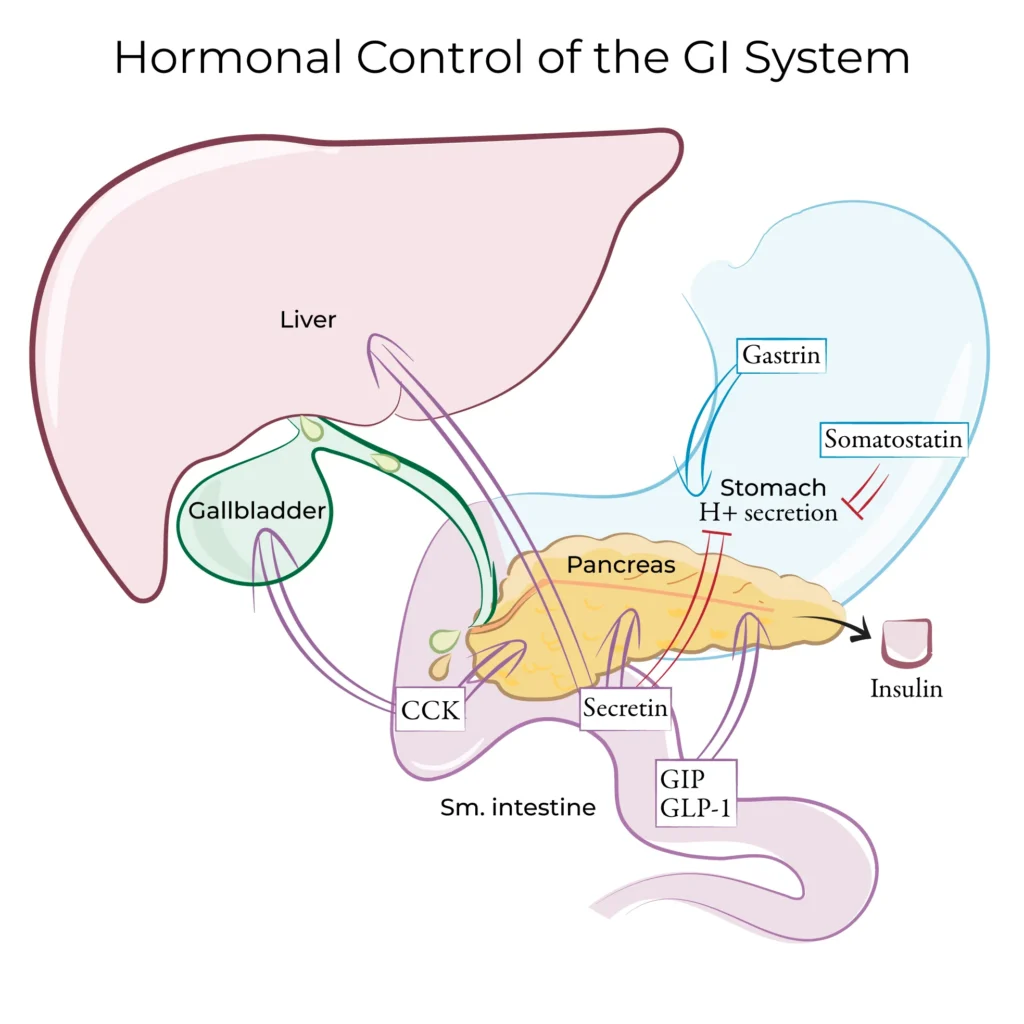
The liver is a vital organ in the human body that performs a variety of functions to maintain overall health and well-being. One of the key factors that regulate liver function is the presence of hormones. Hormones are chemical messengers produced by the endocrine system that travel through the bloodstream to target organs, where they regulate various physiological processes. In the case of the liver, hormones play a crucial role in maintaining metabolic homeostasis, regulating glucose and lipid metabolism, and detoxifying harmful substances.
In this article, we will explore the role of hormones in regulating liver function, how they interact with the liver, and the implications of hormone dysregulation on liver health. We will also address common questions and concerns related to hormones and liver function.
Hormones that Regulate Liver Function
Several hormones play a critical role in regulating liver function. Some of the key hormones include:
1. Insulin: Insulin is a hormone produced by the pancreas that plays a crucial role in regulating glucose metabolism. Insulin stimulates the uptake of glucose by liver cells, where it is stored as glycogen or used for energy production. Insulin also inhibits the breakdown of glycogen in the liver, preventing excessive glucose release into the bloodstream.
2. Glucagon: Glucagon is another hormone produced by the pancreas that has the opposite effect of insulin. Glucagon stimulates the breakdown of glycogen in the liver, leading to the release of glucose into the bloodstream. This helps to maintain blood glucose levels during periods of fasting or low carbohydrate intake.
3. Thyroid hormones: Thyroid hormones, including thyroxine (T4) and triiodothyronine (T3), are produced by the thyroid gland and play a crucial role in regulating metabolism. Thyroid hormones stimulate the production of enzymes in the liver that are involved in glucose and lipid metabolism, as well as the detoxification of harmful substances.
4. Growth hormone: Growth hormone is produced by the pituitary gland and plays a key role in promoting growth and development. Growth hormone also stimulates the production of insulin-like growth factor 1 (IGF-1) in the liver, which is important for cell growth and repair.
5. Cortisol: Cortisol is a stress hormone produced by the adrenal glands that plays a role in regulating metabolism and immune function. Cortisol stimulates the breakdown of glycogen in the liver, leading to the release of glucose into the bloodstream. It also suppresses inflammation and immune responses in the liver.
6. Sex hormones: Sex hormones, including estrogen, progesterone, and testosterone, play a role in regulating liver function. Estrogen, for example, stimulates the production of bile in the liver, which is important for digestion and the elimination of toxins.
Interactions Between Hormones and the Liver
The liver is a highly dynamic organ that responds to changes in hormone levels to maintain metabolic homeostasis. Hormones signal to the liver through specific receptors on liver cells, triggering a cascade of biochemical reactions that regulate various metabolic processes. For example, insulin binds to insulin receptors on liver cells, activating a signaling pathway that promotes glucose uptake and storage.
Hormones can also interact with each other to regulate liver function. For example, insulin and glucagon work together to maintain blood glucose levels within a narrow range. When blood glucose levels are high, insulin is released to stimulate glucose uptake and storage in the liver. Conversely, when blood glucose levels are low, glucagon is released to stimulate the breakdown of glycogen and the release of glucose into the bloodstream.
Thyroid hormones also interact with other hormones to regulate liver function. Thyroid hormones can enhance the effects of insulin on glucose metabolism, leading to increased glucose uptake and utilization in the liver. Thyroid hormones can also stimulate the production of bile acids in the liver, which are important for the digestion and absorption of fats.
Implications of Hormone Dysregulation on Liver Health
Dysregulation of hormones can have significant implications for liver health. Hormone imbalances can disrupt the normal metabolic processes in the liver, leading to a variety of health problems. For example, insulin resistance, a condition in which cells become less responsive to insulin, can lead to elevated blood glucose levels and an increased risk of type 2 diabetes.
Thyroid hormone imbalances can also affect liver function. Hypothyroidism, a condition in which the thyroid gland does not produce enough thyroid hormones, can lead to a decrease in liver enzyme activity and impaired metabolism. Hyperthyroidism, a condition in which the thyroid gland produces an excess of thyroid hormones, can lead to increased liver enzyme activity and accelerated metabolism.
Cortisol imbalances can also impact liver function. Chronic stress can lead to elevated cortisol levels, which can promote the breakdown of muscle tissue and the accumulation of fat in the liver. This can lead to fatty liver disease, a condition characterized by the buildup of fat in liver cells.
FAQs about Hormones and Liver Function
1. Can hormone imbalances cause liver disease?
Hormone imbalances can contribute to the development of liver disease. Insulin resistance, thyroid hormone imbalances, and cortisol imbalances can all impact liver function and increase the risk of liver disease.
2. How can hormone imbalances be treated?
Hormone imbalances can be treated with medication, lifestyle modifications, and dietary changes. For example, insulin resistance can be managed with medications that improve insulin sensitivity, such as metformin. Thyroid hormone imbalances can be treated with thyroid hormone replacement therapy. Cortisol imbalances can be managed with stress-reducing techniques and lifestyle changes.
3. Can hormones affect liver function differently in men and women?
Yes, hormones can affect liver function differently in men and women. For example, estrogen plays a key role in bile production in women, which can affect liver function. Testosterone levels in men can also impact liver function, as low testosterone levels have been associated with an increased risk of liver disease.
4. How can I support liver health through hormone regulation?
Maintaining a healthy lifestyle, including a balanced diet, regular exercise, and stress management, can help support liver health through hormone regulation. Avoiding excessive alcohol consumption, maintaining a healthy weight, and managing chronic conditions such as diabetes can also help support liver health.
In conclusion, hormones play a crucial role in regulating liver function and maintaining metabolic homeostasis. Hormones such as insulin, glucagon, thyroid hormones, growth hormone, cortisol, and sex hormones interact with the liver to regulate glucose and lipid metabolism, detoxify harmful substances, and promote growth and development. Hormone dysregulation can have significant implications for liver health, leading to conditions such as insulin resistance, thyroid disorders, and fatty liver disease. By understanding the role of hormones in liver function and taking steps to support hormone regulation, we can help maintain optimal liver health and overall well-being.
