
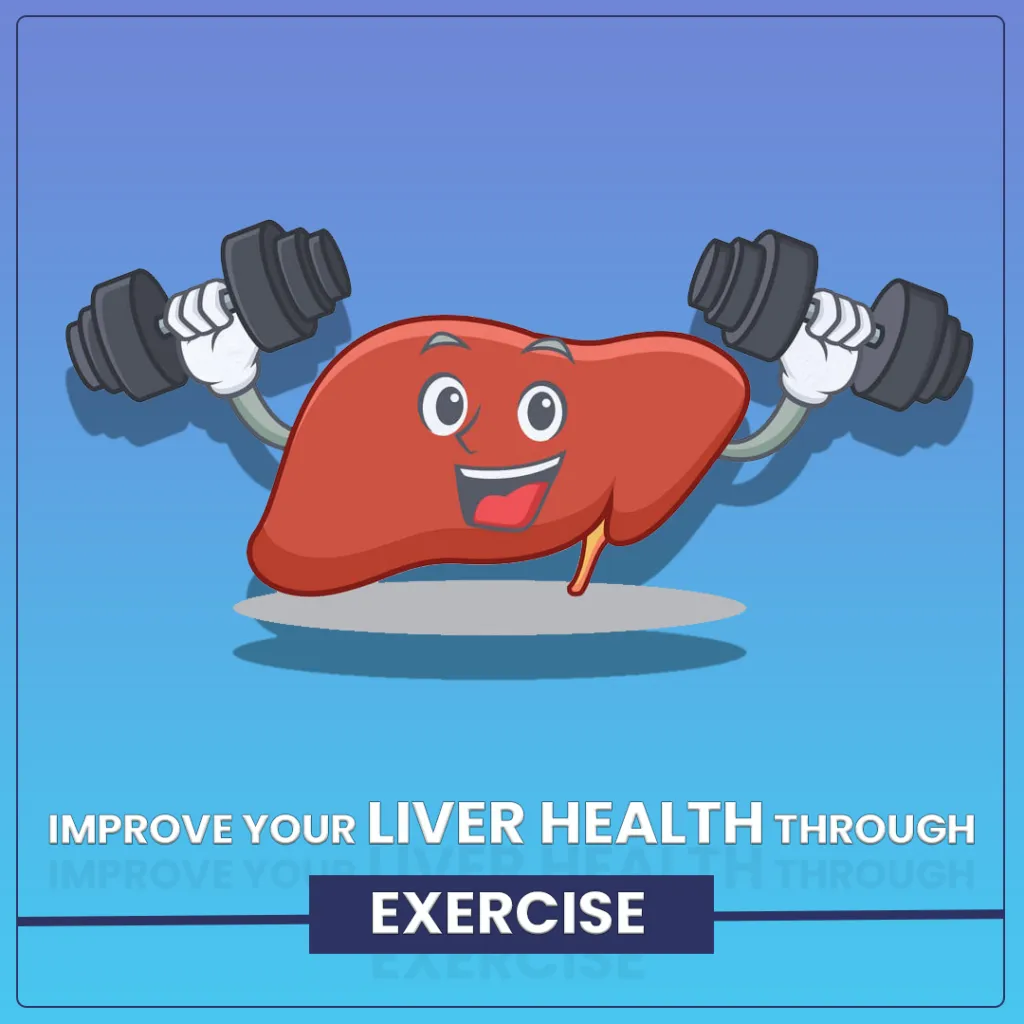
The Role of Diet and Exercise in Supporting Liver Health
The liver is one of the most vital organs in the human body, responsible for over 500 different functions that are essential to our health and well-being. From detoxifying the blood to metabolizing nutrients, the liver plays a crucial role in maintaining our overall health. However, poor diet and lack of exercise can put a strain on the liver, leading to various liver diseases and disorders. In this article, we will explore the importance of diet and exercise in supporting liver health, as well as provide tips and recommendations for maintaining a healthy liver.
The Role of Diet in Supporting Liver Health
Diet plays a significant role in supporting liver health, as the liver relies on the nutrients we consume to function properly. A diet that is high in unhealthy fats, sugar, and processed foods can lead to fatty liver disease, inflammation, and other liver disorders. On the other hand, a diet that is rich in fruits, vegetables, whole grains, lean proteins, and healthy fats can help protect and support liver function.
Here are some dietary recommendations for supporting liver health:
1. Eat a variety of fruits and vegetables: Fruits and vegetables are rich in antioxidants and nutrients that help protect the liver from damage and support its detoxification processes.
2. Choose whole grains over refined grains: Whole grains like quinoa, brown rice, and oats are rich in fiber and nutrients that support liver health, while refined grains like white bread and pasta can contribute to liver damage.
3. Include lean proteins in your diet: Lean proteins like chicken, fish, tofu, and legumes are essential for liver function and repair.
4. Limit your intake of sugar and processed foods: Excessive sugar consumption and processed foods can lead to fatty liver disease and inflammation, so it’s important to limit these foods in your diet.
5. Stay hydrated: Drinking plenty of water helps support the liver’s detoxification processes and keeps it functioning properly.
6. Limit alcohol consumption: Excessive alcohol consumption can cause liver damage and lead to liver diseases like cirrhosis, so it’s important to limit your intake or avoid alcohol altogether.
The Role of Exercise in Supporting Liver Health
Exercise is another crucial factor in supporting liver health, as it helps improve blood flow, reduce inflammation, and support the liver’s detoxification processes. Regular physical activity has been shown to lower the risk of fatty liver disease, liver inflammation, and other liver disorders. Additionally, exercise can help with weight management, which is important for preventing liver damage and maintaining overall health.
Here are some tips for incorporating exercise into your routine to support liver health:
1. Aim for at least 30 minutes of moderate-intensity exercise most days of the week: Activities like brisk walking, cycling, swimming, and dancing are all great ways to get your heart rate up and support liver health.
2. Include strength training in your routine: Strength training exercises like weightlifting or bodyweight exercises help build muscle mass, which can improve insulin sensitivity and support liver function.
3. Mix up your routine: Try to incorporate a variety of exercises into your routine, including cardio, strength training, and flexibility exercises to support overall health and well-being.
4. Stay consistent: Consistency is key when it comes to exercise, so try to make it a regular part of your routine to support liver health in the long term.
FAQs about Diet and Exercise for Liver Health
Q: Can I reverse liver damage with diet and exercise?
A: In some cases, liver damage can be reversed with a healthy diet and regular exercise. However, it’s important to consult with a healthcare provider to determine the best course of action for your specific situation.
Q: Are there any specific foods that are particularly good for liver health?
A: Yes, there are several foods that are particularly good for liver health, including leafy greens, cruciferous vegetables, berries, nuts, seeds, and fatty fish.
Q: How much exercise do I need to support liver health?
A: The American Heart Association recommends at least 150 minutes of moderate-intensity exercise per week to support overall health, including liver health.
Q: Can I still enjoy alcohol in moderation while supporting liver health?
A: It’s best to limit alcohol consumption or avoid it altogether to support liver health. Excessive alcohol consumption can lead to liver damage and liver diseases.
In conclusion, diet and exercise play a crucial role in supporting liver health and preventing liver diseases. By following a healthy diet rich in fruits, vegetables, whole grains, lean proteins, and healthy fats, and incorporating regular exercise into your routine, you can help protect and support the liver’s function. Remember to consult with a healthcare provider before making any significant changes to your diet or exercise routine, especially if you have existing liver conditions. By taking care of your liver through diet and exercise, you can support your overall health and well-being for years to come.
