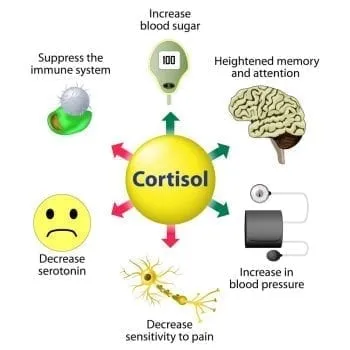
Chronic stress is a common issue that many people face in today’s fast-paced society. Whether it’s due to work pressures, financial concerns, or personal relationships, chronic stress can take a toll on both your mental and physical health. One of the lesser-known impacts of chronic stress is its effect on the liver.
The liver is a vital organ that plays a crucial role in filtering toxins from the body, metabolizing nutrients, and producing important proteins. When the body is under chronic stress, however, the liver can become overwhelmed and overworked, leading to a host of health problems. In this article, we will explore the various ways in which chronic stress can impact the liver, as well as provide tips on how to manage stress and support liver health.
Impact of Chronic Stress on the Liver
1. Inflammation: Chronic stress can trigger inflammation in the body, including in the liver. This can lead to a condition known as non-alcoholic fatty liver disease (NAFLD), where excess fat builds up in the liver and can cause liver damage over time.
2. Impaired detoxification: The liver is responsible for filtering toxins from the body, but chronic stress can impair its ability to do so effectively. This can lead to a buildup of toxins in the liver, which can further damage the organ and lead to a range of health issues.
3. Increased risk of liver disease: Chronic stress has been linked to an increased risk of developing liver diseases such as hepatitis and cirrhosis. Stress can weaken the immune system and make the liver more susceptible to infection and damage.
4. Hormonal imbalances: Chronic stress can disrupt the body’s hormonal balance, including the hormones that regulate liver function. This can lead to issues such as insulin resistance, which can further impact liver health.
5. Altered metabolism: Chronic stress can affect the body’s metabolism, leading to changes in how nutrients are processed and stored in the liver. This can contribute to weight gain, insulin resistance, and other metabolic issues.
Managing Chronic Stress and Supporting Liver Health
There are several strategies you can use to manage chronic stress and support liver health:
1. Practice stress-reducing techniques: Incorporate relaxation techniques such as deep breathing, meditation, yoga, or tai chi into your daily routine to help reduce stress levels.
2. Get regular exercise: Physical activity can help reduce stress and improve overall health, including liver function. Aim for at least 30 minutes of moderate exercise most days of the week.
3. Eat a healthy diet: A diet rich in fruits, vegetables, whole grains, and lean proteins can support liver health and help reduce inflammation in the body. Limit processed foods, sugar, and alcohol, which can be taxing on the liver.
4. Stay hydrated: Drinking plenty of water can help flush toxins from the body and support liver function. Aim for at least 8-10 glasses of water per day.
5. Get plenty of sleep: Chronic stress can disrupt sleep patterns, which can further impact liver health. Aim for 7-9 hours of quality sleep each night to help your body recover and repair.
Frequently Asked Questions
Q: Can stress cause liver damage?
A: Yes, chronic stress can contribute to liver damage by triggering inflammation, impairing detoxification, and increasing the risk of liver disease.
Q: How can I tell if my liver is being affected by stress?
A: Symptoms of liver issues related to stress may include fatigue, digestive issues, weight gain, and hormonal imbalances. However, it’s important to consult with a healthcare provider for a proper diagnosis.
Q: Are there supplements that can help support liver health during times of stress?
A: Certain supplements, such as milk thistle, turmeric, and dandelion root, may help support liver health during times of stress. However, it’s important to consult with a healthcare provider before starting any new supplement regimen.
In conclusion, chronic stress can have a significant impact on liver health, leading to inflammation, impaired detoxification, and an increased risk of liver disease. By implementing stress-reducing techniques, maintaining a healthy lifestyle, and supporting liver function, you can help protect your liver from the damaging effects of stress. If you are experiencing symptoms of liver issues related to stress, be sure to consult with a healthcare provider for proper diagnosis and treatment.
