
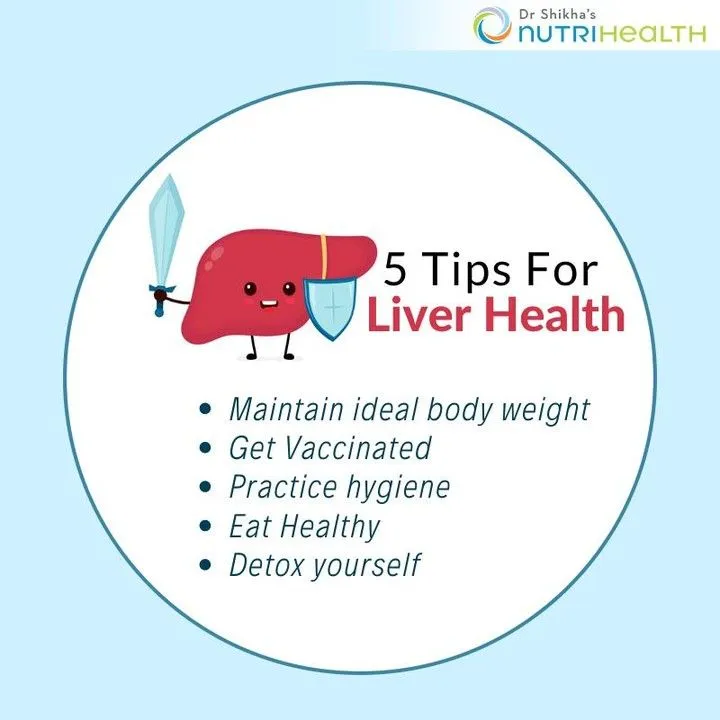
Maintaining a Healthy Liver: Tips for Those Over 40
Introduction
The liver is one of the most important organs in the body, responsible for filtering toxins from the blood, producing bile to aid in digestion, and storing essential nutrients. As we age, it becomes even more crucial to take care of our liver to ensure optimal health and well-being. In this article, we will discuss some tips for maintaining a healthy liver for those over 40, as well as address common questions and concerns regarding liver health.
1. Eat a Healthy Diet
One of the best ways to support liver health is by eating a balanced and nutritious diet. Foods that are rich in antioxidants, such as fruits and vegetables, can help protect the liver from damage caused by free radicals. It is also important to limit consumption of processed foods, saturated fats, and sugars, as these can contribute to liver damage and inflammation. Instead, focus on whole foods that are high in fiber, vitamins, and minerals, such as lean proteins, whole grains, and healthy fats.
2. Stay Hydrated
Drinking plenty of water is essential for liver health, as it helps to flush out toxins and waste products from the body. Aim to drink at least 8-10 glasses of water a day, and consider incorporating herbal teas or fresh fruit juices for added hydration. Limiting alcohol consumption is also important, as excessive drinking can lead to liver damage and disease.
3. Exercise Regularly
Regular physical activity is not only beneficial for overall health, but it can also help support liver function. Exercise helps to improve circulation, reduce inflammation, and promote detoxification, all of which are important for liver health. Aim for at least 30 minutes of moderate exercise most days of the week, such as walking, biking, or swimming.
4. Maintain a Healthy Weight
Being overweight or obese can increase the risk of fatty liver disease, a condition in which fat accumulates in the liver and can lead to inflammation and scarring. To maintain a healthy weight, focus on a balanced diet and regular exercise, and consider seeking support from a healthcare provider or nutritionist if needed.
5. Limit Exposure to Toxins
Toxins in our environment, such as pollution, chemicals, and pesticides, can put a strain on the liver and contribute to liver damage. To reduce exposure to toxins, consider using natural cleaning products, eating organic foods, and avoiding smoking and excessive alcohol consumption. Additionally, consider incorporating liver-supporting herbs and supplements, such as milk thistle, dandelion root, and turmeric, into your daily routine.
6. Get Regular Check-ups
Regular check-ups with a healthcare provider are important for monitoring liver health and detecting any potential issues early on. During these visits, your provider may recommend blood tests, imaging studies, or other diagnostic tests to assess liver function and identify any abnormalities. It is important to follow up on any recommendations or referrals provided by your healthcare provider to ensure optimal liver health.
FAQs
Q: What are some signs of liver damage or disease?
A: Some common signs of liver damage or disease include fatigue, jaundice (yellowing of the skin or eyes), abdominal pain or swelling, nausea, vomiting, and dark urine. If you experience any of these symptoms, it is important to seek medical attention promptly.
Q: Can liver damage be reversed?
A: In some cases, liver damage can be reversed with lifestyle changes, such as improving diet, exercising regularly, and limiting alcohol consumption. However, in more severe cases, such as advanced liver disease or cirrhosis, the damage may be irreversible. It is important to work closely with a healthcare provider to develop a treatment plan that is tailored to your specific needs.
Q: Are there any supplements that can support liver health?
A: Yes, there are several supplements that have been shown to support liver health, such as milk thistle, dandelion root, turmeric, and N-acetylcysteine. However, it is important to consult with a healthcare provider before starting any new supplements, as some may interact with medications or have side effects.
Conclusion
Maintaining a healthy liver is essential for overall health and well-being, especially as we age. By following the tips outlined in this article, such as eating a healthy diet, staying hydrated, exercising regularly, and limiting exposure to toxins, you can support liver health and reduce the risk of liver damage and disease. Remember to consult with a healthcare provider for personalized recommendations and guidance on how to best care for your liver as you age.
