
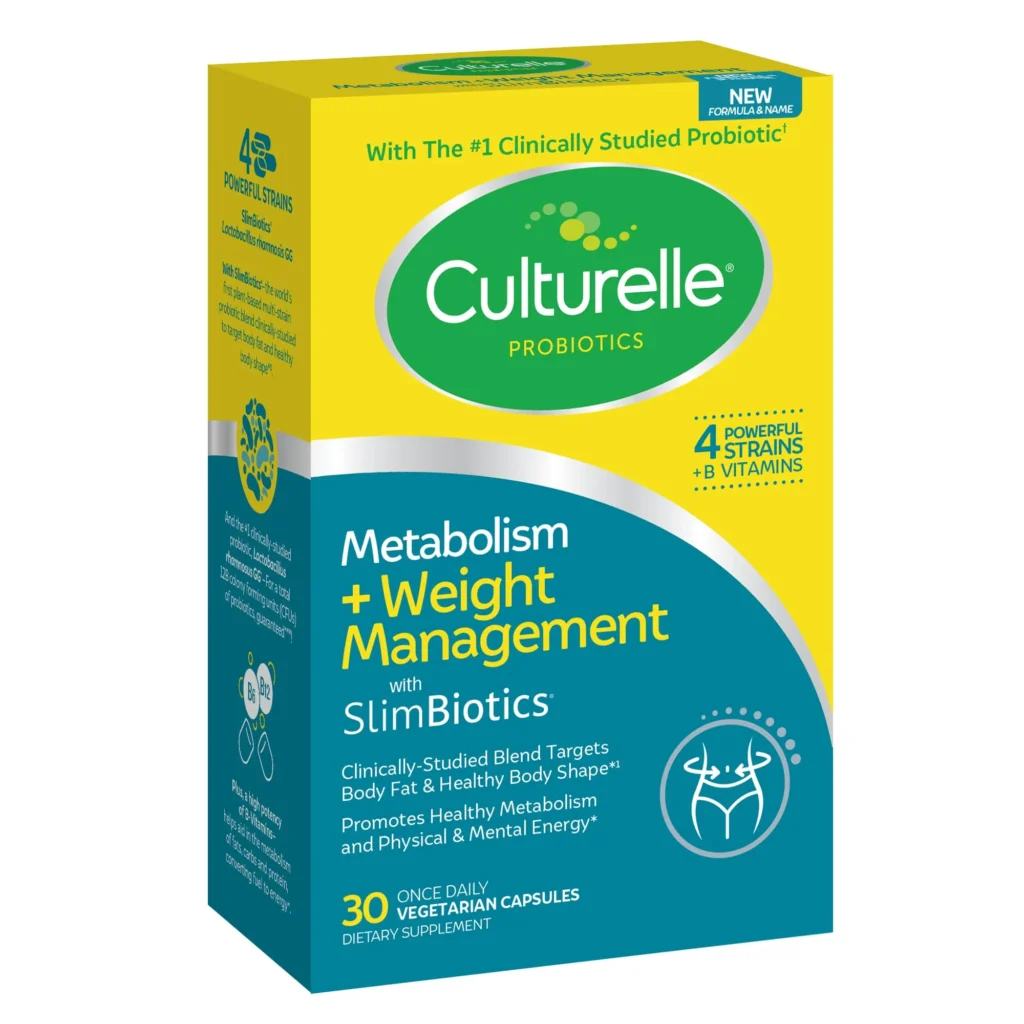
The liver is a vital organ in the human body, playing a crucial role in metabolism and weight management. It is responsible for processing nutrients from the food we eat, regulating blood sugar levels, and detoxifying harmful substances. Understanding the liver’s functions and how it impacts our metabolism can help us make informed decisions about our diet and lifestyle choices to maintain a healthy weight.
Metabolism is the process by which the body converts food into energy. The liver plays a key role in this process by breaking down carbohydrates, fats, and proteins into glucose, fatty acids, and amino acids, which are then used as fuel for the body’s cells. The liver also stores excess glucose as glycogen for later use and converts excess nutrients into fat for storage.
Weight management is closely linked to metabolism, as the body’s ability to burn calories efficiently impacts our weight. The liver helps regulate metabolism by producing bile, a substance that aids in the digestion and absorption of fats. It also plays a role in regulating blood sugar levels by releasing glucose into the bloodstream when needed and storing excess glucose as glycogen.
In addition to its role in metabolism, the liver is also responsible for detoxifying harmful substances from the body. It filters out toxins from the blood, metabolizes drugs and alcohol, and produces enzymes that help break down and eliminate waste products. A healthy liver is essential for overall health and well-being, as it helps maintain a balance of nutrients and toxins in the body.
Factors that can affect the liver’s function include a poor diet high in processed foods, excessive alcohol consumption, certain medications, and underlying health conditions such as fatty liver disease. Maintaining a healthy lifestyle with a balanced diet, regular exercise, and limited alcohol intake can help support the liver’s function and promote weight management.
FAQs:
Q: How does the liver impact metabolism?
A: The liver plays a crucial role in metabolism by processing nutrients from the food we eat and converting them into energy for the body’s cells. It also helps regulate blood sugar levels and stores excess nutrients for later use.
Q: What are some signs of liver dysfunction?
A: Symptoms of liver dysfunction can include fatigue, jaundice (yellowing of the skin and eyes), abdominal pain, nausea, and swelling in the abdomen. It is important to consult a healthcare provider if you experience any of these symptoms.
Q: How can diet and lifestyle choices affect liver health?
A: A diet high in processed foods, sugar, and unhealthy fats can put strain on the liver and lead to fatty liver disease. Excessive alcohol consumption can also damage the liver. Eating a balanced diet, exercising regularly, and limiting alcohol intake can help support liver health.
Q: What are some ways to support liver health?
A: Eating a diet rich in fruits, vegetables, whole grains, and lean proteins can help support liver health. Drinking plenty of water, exercising regularly, and avoiding excessive alcohol consumption are also important for maintaining a healthy liver.
Q: Can weight management be affected by liver function?
A: Yes, the liver plays a key role in metabolism and weight management. A healthy liver can help regulate metabolism and support the body’s ability to burn calories efficiently. Maintaining a healthy lifestyle with a balanced diet and regular exercise can help support liver function and promote weight management.
