The Best Daily Routine for Supporting Liver Health
The liver is one of the most important organs in the human body, responsible for filtering toxins, producing bile for digestion, and storing essential nutrients. Supporting liver health is crucial for overall well-being, as a healthy liver can improve digestion, boost energy levels, and strengthen the immune system. A daily routine that focuses on liver health can help prevent liver disease, improve liver function, and promote overall health.
In this article, we will discuss the best daily routine for supporting liver health, including lifestyle changes, dietary recommendations, and natural remedies. We will also address common questions about liver health and provide tips for maintaining a healthy liver.
Lifestyle Changes for Liver Health
1. Exercise regularly: Regular physical activity can help improve liver function by reducing fat accumulation in the liver and promoting the flow of blood and nutrients to the liver. Aim for at least 30 minutes of moderate exercise most days of the week, such as brisk walking, cycling, or swimming.
2. Maintain a healthy weight: Being overweight or obese can increase the risk of fatty liver disease, a condition that can lead to liver damage and inflammation. By maintaining a healthy weight through a balanced diet and regular exercise, you can reduce the strain on your liver and improve its function.
3. Limit alcohol consumption: Excessive alcohol consumption can damage the liver and lead to liver disease. If you drink alcohol, limit your intake to no more than one drink per day for women and two drinks per day for men. Avoid binge drinking and seek help if you have difficulty controlling your alcohol consumption.
4. Avoid smoking: Smoking can harm the liver by increasing oxidative stress and inflammation. Quitting smoking can improve liver health and reduce the risk of liver disease. Seek support from a healthcare provider or smoking cessation program to help you quit smoking.
5. Manage stress: Chronic stress can have a negative impact on liver health by increasing inflammation and impairing liver function. Practice stress-reducing techniques such as mindfulness meditation, deep breathing exercises, yoga, or spending time in nature to support liver health.
Dietary Recommendations for Liver Health
1. Eat a balanced diet: A healthy diet rich in fruits, vegetables, whole grains, lean proteins, and healthy fats can support liver health by providing essential nutrients and antioxidants. Include a variety of foods in your diet to ensure you are getting all the nutrients your liver needs to function optimally.
2. Limit processed foods: Processed foods high in sugar, salt, and unhealthy fats can contribute to liver damage and inflammation. Avoid or limit processed foods such as fast food, sugary snacks, and fried foods, and focus on whole foods that are nutrient-dense and supportive of liver health.
3. Stay hydrated: Drinking plenty of water throughout the day can help flush toxins from the liver and promote proper liver function. Aim to drink at least eight glasses of water per day, and consider adding lemon or lime to your water for added liver-supporting benefits.
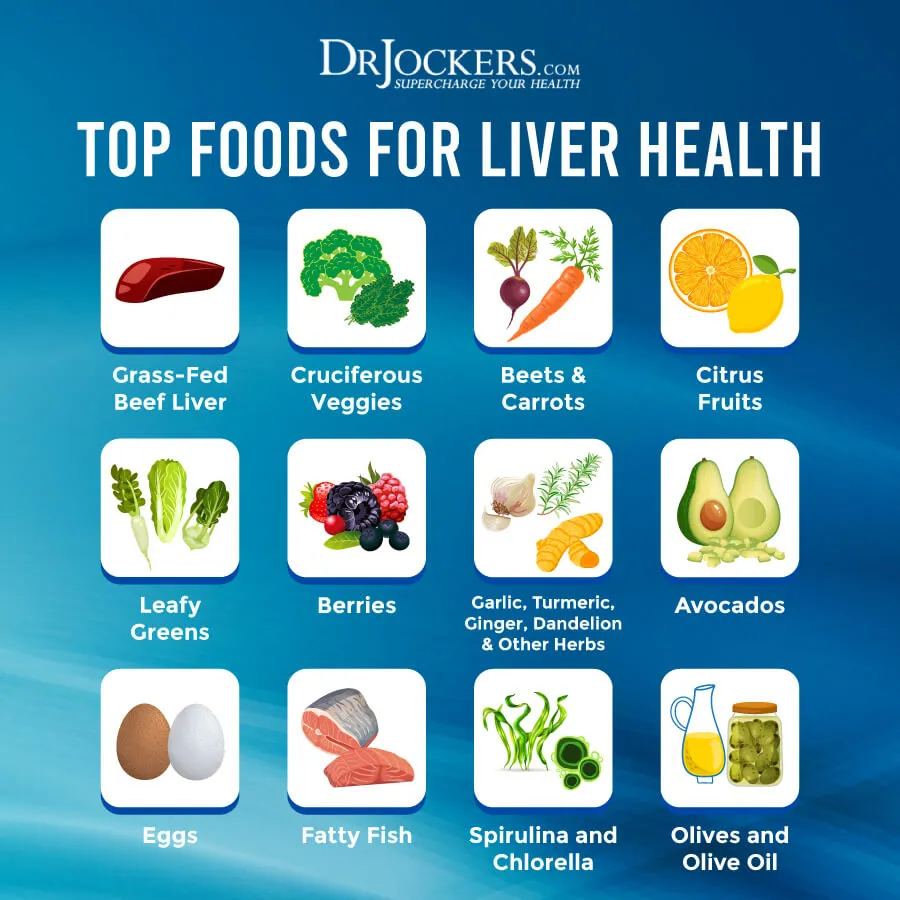
4. Include liver-supporting foods: Certain foods can support liver health by promoting detoxification, reducing inflammation, and protecting liver cells. Include liver-supporting foods such as garlic, turmeric, beets, leafy greens, cruciferous vegetables, and berries in your diet to support liver health.
5. Limit alcohol and caffeine: Excessive alcohol and caffeine consumption can strain the liver and lead to liver damage. Limit your intake of alcohol and caffeine, and consider switching to herbal teas or decaffeinated beverages to support liver health.
Natural Remedies for Liver Health
1. Milk thistle: Milk thistle is a herb that has been used for centuries to support liver health. It contains a compound called silymarin, which has antioxidant and anti-inflammatory properties that can protect liver cells from damage and promote liver regeneration. Consider taking a milk thistle supplement or drinking milk thistle tea to support liver health.
2. Dandelion root: Dandelion root is another herb that can support liver health by promoting detoxification and bile production. It can help improve digestion, reduce inflammation, and protect liver cells from damage. Consider taking dandelion root supplements or drinking dandelion root tea to support liver health.
3. Turmeric: Turmeric is a spice that contains curcumin, a compound with powerful antioxidant and anti-inflammatory properties. It can help reduce inflammation, protect liver cells from damage, and promote liver detoxification. Add turmeric to your cooking or take a turmeric supplement to support liver health.
4. Lemon water: Drinking warm lemon water in the morning can help support liver health by promoting detoxification, improving digestion, and boosting immune function. Lemon water can help alkalize the body, reduce inflammation, and support liver function.
5. Apple cider vinegar: Apple cider vinegar is a natural remedy that can support liver health by promoting detoxification, reducing inflammation, and improving digestion. Consider adding apple cider vinegar to your salad dressings, marinades, or drinks to support liver health.
FAQs about Liver Health
Q: What are the symptoms of liver disease?
A: Symptoms of liver disease can vary depending on the underlying cause, but common symptoms include fatigue, jaundice (yellowing of the skin and eyes), abdominal pain, swelling in the abdomen or legs, nausea, vomiting, and dark urine. If you experience any of these symptoms, it is important to see a healthcare provider for evaluation and treatment.
Q: How often should I get my liver checked?
A: It is recommended to have routine liver function tests as part of your regular health check-ups, especially if you have risk factors for liver disease such as a history of alcohol abuse, obesity, diabetes, or viral hepatitis. Your healthcare provider can determine how often you should have your liver function checked based on your individual health status and risk factors.
Q: Can liver disease be reversed?
A: In some cases, liver disease can be reversed with lifestyle changes such as a healthy diet, regular exercise, weight loss, and avoiding alcohol and smoking. However, advanced liver disease may require medical treatment, including medications, surgery, or liver transplantation. Early detection and treatment of liver disease can improve outcomes and prevent progression to advanced liver disease.
Q: Are liver cleanses safe and effective?
A: Liver cleanses or detox diets that claim to cleanse the liver and promote detoxification are not supported by scientific evidence and may be harmful. The liver is a self-cleansing organ that does not require special cleanses or detox diets to function properly. Instead of following a liver cleanse, focus on adopting a healthy lifestyle that supports liver health through diet, exercise, and stress management.
Q: What are the risk factors for liver disease?
A: Risk factors for liver disease include excessive alcohol consumption, obesity, diabetes, viral hepatitis (such as hepatitis B or C), fatty liver disease, autoimmune liver disease, genetic factors, and certain medications or toxins. By addressing these risk factors through lifestyle changes and regular health screenings, you can reduce your risk of developing liver disease and support liver health.
In conclusion, supporting liver health through a daily routine that includes lifestyle changes, dietary recommendations, and natural remedies can help prevent liver disease, improve liver function, and promote overall health. By following the tips outlined in this article and incorporating healthy habits into your daily routine, you can support your liver health and enhance your well-being. If you have any concerns about your liver health or symptoms of liver disease, consult a healthcare provider for evaluation and treatment. Remember that prevention is key to maintaining a healthy liver and overall health.