
The Truth About Liver Detox: Separating Fact from Fiction
The Truth About Liver Detox: Separating Fact from Fiction
The liver is one of the most important organs in the body, responsible for detoxifying harmful substances and metabolizing nutrients. With the rise of detox diets and cleanses in recent years, there has been a lot of buzz around liver detoxification. But what is the truth behind these claims? Are liver detoxes really necessary, or are they just a fad?
In this article, we will explore the facts and fiction surrounding liver detoxification, and answer some frequently asked questions about the topic.
What is liver detoxification?
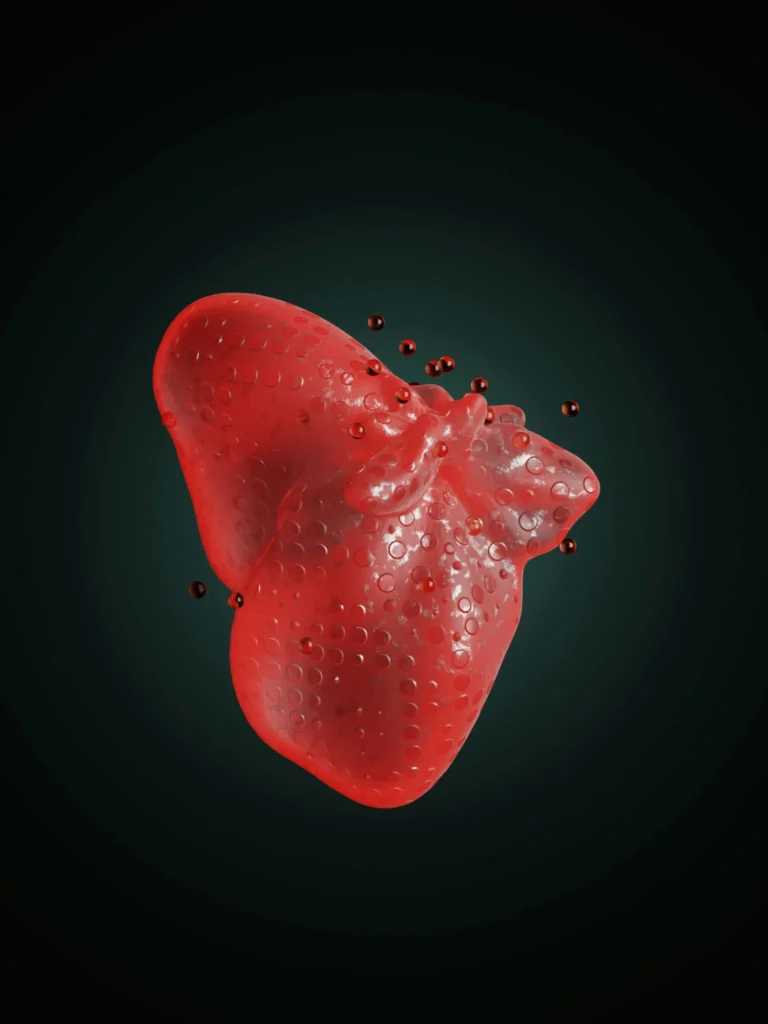
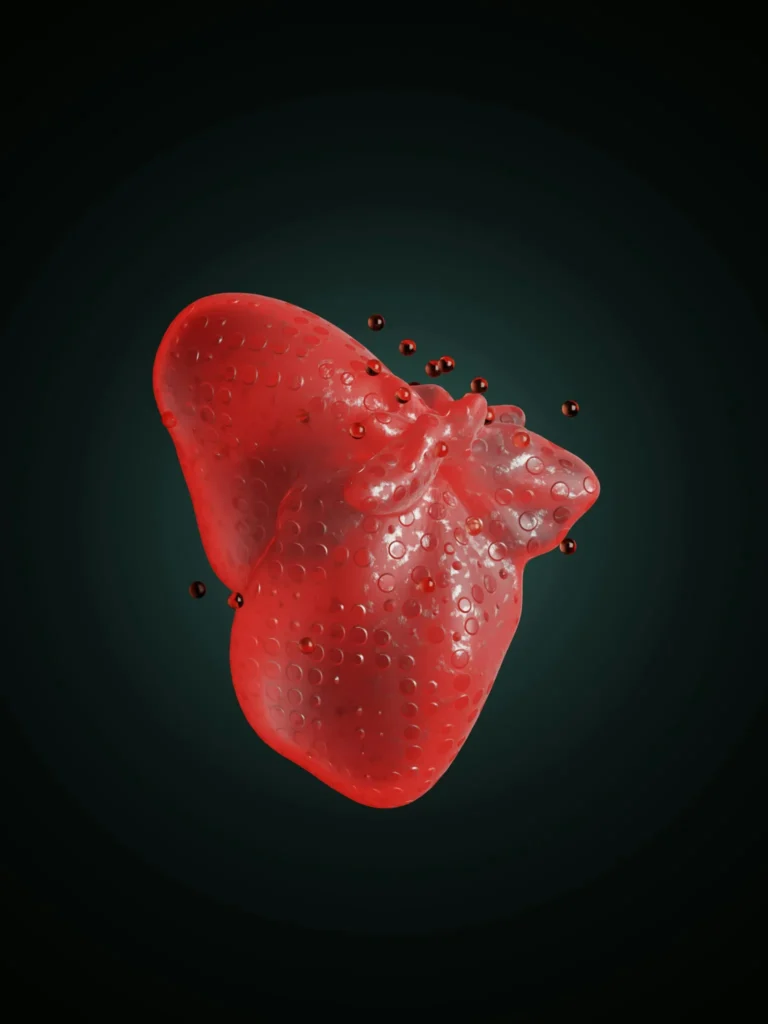
Liver detoxification refers to the process by which the liver removes toxins and harmful substances from the body. The liver plays a crucial role in the body’s detoxification system, breaking down and eliminating toxins through a series of chemical reactions.
The liver detoxification process involves two main phases: Phase I and Phase II. In Phase I, toxins are broken down into smaller molecules that are easier to eliminate. In Phase II, these molecules are further processed and excreted from the body through urine or bile.
Why do people do liver detoxes?
There are several reasons why people may choose to do a liver detox. Some common reasons include:
– To improve overall health and well-being
– To boost energy levels
– To support weight loss
– To promote better digestion
– To reduce symptoms of bloating or fatigue
However, it is important to note that there is limited scientific evidence to support the effectiveness of liver detoxes for these purposes. While some people may experience short-term benefits from a liver detox, such as improved energy levels or clearer skin, these effects are often temporary and may not be sustainable in the long term.
What are the different types of liver detoxes?
There are many different types of liver detoxes available, ranging from juice cleanses to herbal supplements. Some common methods include:
– Juice cleanses: A popular method of liver detoxification, juice cleanses involve consuming only fruit and vegetable juices for a set period of time. Proponents claim that this helps to flush out toxins and support liver function.
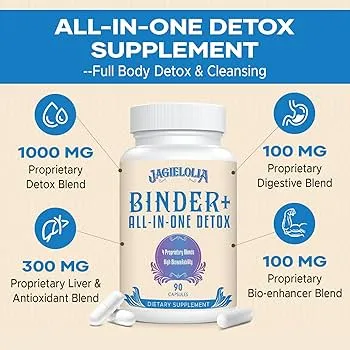
– Herbal supplements: There are many herbal supplements on the market that claim to support liver health and detoxification. Some common herbs used in liver detoxes include milk thistle, dandelion root, and turmeric.
– Fasting: Fasting is another common method of liver detoxification, in which individuals refrain from eating for a set period of time. This is believed to give the liver a break and allow it to focus on detoxification.
While these methods may provide some short-term benefits, it is important to approach liver detoxes with caution and consult a healthcare professional before embarking on any detox program.
What are the potential risks of liver detoxes?
While liver detoxes are generally considered safe for most people, there are some potential risks to be aware of. Some common risks include:
– Nutrient deficiencies: Restrictive detox diets may lead to nutrient deficiencies, as they often lack essential vitamins and minerals.
– Dehydration: Many liver detoxes involve increased fluid intake, which can lead to dehydration if not balanced with adequate water consumption.
– Digestive issues: Some people may experience digestive issues such as bloating, gas, or diarrhea while on a liver detox.
It is important to listen to your body and consult a healthcare professional before starting any detox program, especially if you have any underlying health conditions or are pregnant or breastfeeding.
Frequently Asked Questions about Liver Detox:
1. Are liver detoxes necessary for overall health?
While some people may benefit from a liver detox, they are not necessary for overall health. The liver is a highly efficient organ that is capable of detoxifying the body on its own. Eating a balanced diet rich in fruits, vegetables, and whole grains, and staying hydrated are the best ways to support liver health.
2. How long should a liver detox last?
The duration of a liver detox can vary depending on the individual and the method used. Some detox programs last for a few days, while others may last for several weeks. It is important to listen to your body and consult a healthcare professional before starting any detox program.
3. Can liver detoxes help with weight loss?
While some people may experience weight loss as a result of a liver detox, this is often due to water weight loss and not fat loss. It is important to approach liver detoxes as a way to support overall health and well-being, rather than as a quick fix for weight loss.
4. Are there any specific foods that support liver health?
Some foods that are known to support liver health include:
– Leafy greens such as kale and spinach
– Cruciferous vegetables such as broccoli and Brussels sprouts
– Berries such as blueberries and raspberries
– Nuts and seeds such as almonds and chia seeds
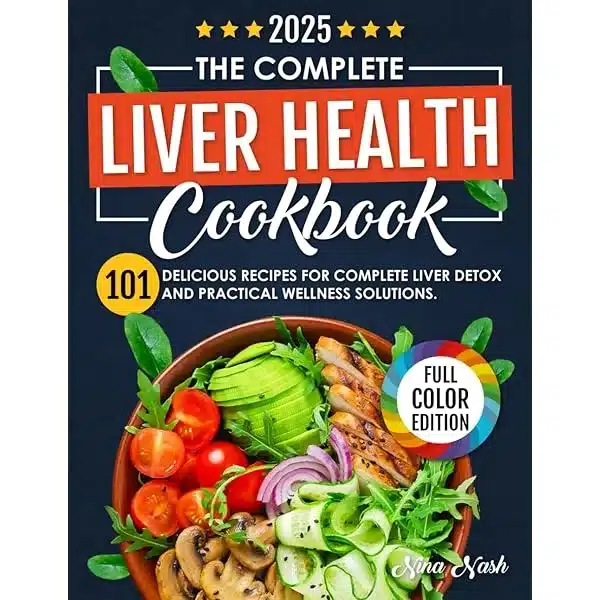
Incorporating these foods into your diet can help to support liver function and overall health.
In conclusion, while liver detoxes may offer some short-term benefits, it is important to approach them with caution and consult a healthcare professional before starting any detox program. The best way to support liver health is by eating a balanced diet, staying hydrated, and avoiding excessive alcohol consumption. Remember, the liver is a highly efficient organ that is capable of detoxifying the body on its own. Trust in your body’s natural detoxification system, and focus on making healthy choices that support overall health and well-being.