Understanding the Impact of Metabolic Syndrome on Liver Function
Understanding the Impact of Metabolic Syndrome on Liver Function
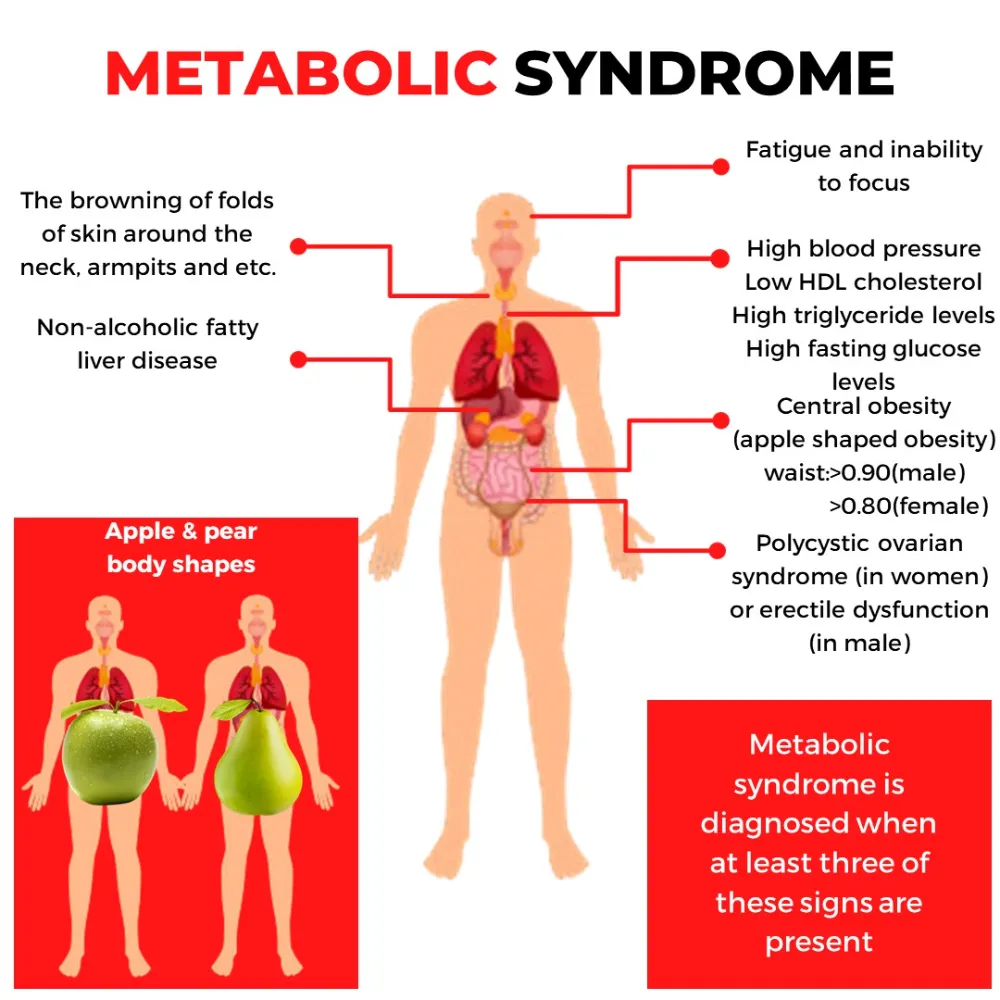
Metabolic syndrome is a cluster of conditions that occur together, increasing the risk of heart disease, stroke, and type 2 diabetes. These conditions include high blood pressure, high blood sugar, excess body fat around the waist, and abnormal cholesterol levels. Metabolic syndrome is becoming increasingly common worldwide, with approximately 25% of adults having the condition.
One of the lesser-known impacts of metabolic syndrome is its effect on liver function. The liver plays a crucial role in metabolism, digestion, and detoxification. When metabolic syndrome is present, it can lead to a condition known as non-alcoholic fatty liver disease (NAFLD), which can progress to more severe conditions such as non-alcoholic steatohepatitis (NASH) and eventually cirrhosis.
In this article, we will explore the relationship between metabolic syndrome and liver function, as well as how to prevent and manage these conditions.
Understanding Non-Alcoholic Fatty Liver Disease (NAFLD)
NAFLD is a condition in which excess fat accumulates in the liver of people who drink little or no alcohol. It is the most common liver disorder in Western countries, affecting approximately 25% of the population. NAFLD is closely linked to metabolic syndrome, with up to 70% of individuals with metabolic syndrome also having NAFLD.
The exact cause of NAFLD is not fully understood, but it is believed to be related to insulin resistance and inflammation. When the body becomes resistant to insulin, it can no longer effectively regulate blood sugar levels, leading to an increase in fat accumulation in the liver. This excess fat can cause inflammation and damage to liver cells, leading to NAFLD.
NAFLD is generally a silent condition, with most people experiencing no symptoms. However, some individuals may experience fatigue, abdominal discomfort, and enlarged liver. If left untreated, NAFLD can progress to more severe conditions such as NASH, which is characterized by inflammation and liver cell damage. NASH can further progress to cirrhosis, a condition in which the liver becomes scarred and loses its ability to function properly.
Impact of Metabolic Syndrome on Liver Function
Metabolic syndrome has a significant impact on liver function, increasing the risk of developing NAFLD and its complications. Individuals with metabolic syndrome are more likely to have insulin resistance, which can lead to the accumulation of fat in the liver. This excess fat can cause inflammation and damage to liver cells, leading to NAFLD.
Moreover, individuals with metabolic syndrome are more likely to have abnormal cholesterol levels, which can further contribute to liver damage. High levels of LDL cholesterol (the “bad” cholesterol) can promote the accumulation of fat in the liver, while low levels of HDL cholesterol (the “good” cholesterol) can impair the liver’s ability to remove excess fat.
In addition, individuals with metabolic syndrome are more likely to have high blood pressure, which can further increase the risk of liver damage. High blood pressure can impair blood flow to the liver, leading to a decrease in oxygen and nutrient supply. This can cause further damage to liver cells and promote the progression of NAFLD.
Prevention and Management of Metabolic Syndrome and NAFLD
Preventing and managing metabolic syndrome and NAFLD is crucial to reducing the risk of liver damage and other complications. Here are some strategies that can help:
1. Maintain a healthy weight: Excess body fat, especially around the waist, is a major risk factor for metabolic syndrome and NAFLD. Losing weight through a healthy diet and regular exercise can help reduce the accumulation of fat in the liver and improve insulin sensitivity.
2. Eat a balanced diet: A diet rich in fruits, vegetables, whole grains, and lean protein can help improve insulin sensitivity and reduce inflammation in the liver. Limiting the intake of processed foods, sugary drinks, and saturated fats can also help prevent liver damage.
3. Exercise regularly: Regular physical activity can help improve insulin sensitivity, reduce inflammation, and promote weight loss. Aim for at least 150 minutes of moderate-intensity exercise per week, such as brisk walking, cycling, or swimming.
4. Manage stress: Chronic stress can contribute to insulin resistance and inflammation, increasing the risk of metabolic syndrome and NAFLD. Practicing stress-reducing techniques such as meditation, yoga, and deep breathing can help improve liver function.
5. Limit alcohol consumption: While NAFLD is not caused by alcohol consumption, excessive drinking can worsen liver damage in individuals with the condition. Limit alcohol intake to no more than one drink per day for women and two drinks per day for men.
FAQs
Q: Can metabolic syndrome be reversed?
A: Yes, metabolic syndrome can be reversed through lifestyle changes such as a healthy diet, regular exercise, and weight loss. By improving insulin sensitivity and reducing inflammation, individuals can reduce the risk of developing NAFLD and other complications.
Q: Is NAFLD reversible?
A: In its early stages, NAFLD can be reversed through lifestyle changes such as weight loss and exercise. However, once the condition progresses to NASH or cirrhosis, it may be more difficult to reverse the damage. It is important to seek medical advice for proper management of NAFLD.
Q: Are there any medications to treat NAFLD?
A: There are currently no medications approved specifically for the treatment of NAFLD. However, some medications may be prescribed to manage symptoms such as high cholesterol, high blood pressure, and insulin resistance. It is important to work closely with a healthcare provider to develop a comprehensive treatment plan.
In conclusion, metabolic syndrome has a significant impact on liver function, increasing the risk of developing NAFLD and its complications. By making lifestyle changes such as maintaining a healthy weight, eating a balanced diet, and exercising regularly, individuals can reduce the risk of liver damage and improve overall health. It is important to seek medical advice for proper management of metabolic syndrome and NAFLD to prevent further complications.