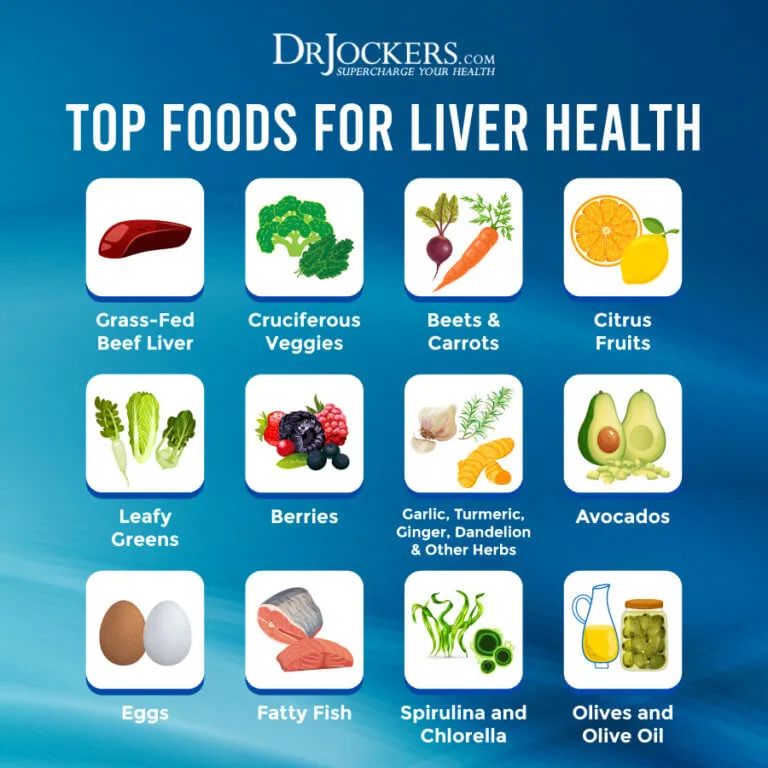
Nutrition and Liver Health: Tips for a Diet That Supports Your Liver Function
Nutrition and Liver Health: Tips for a Diet That Supports Your Liver Function
Introduction
The liver is an essential organ in the body responsible for a wide range of functions, including detoxification, metabolism, and the production of proteins and enzymes. A healthy liver is crucial for overall well-being, as it helps remove toxins from the body and aids in the digestion of fats. Poor nutrition can negatively impact liver health, leading to conditions like fatty liver disease, hepatitis, and cirrhosis. In this article, we will discuss the importance of nutrition for liver health and provide tips for a diet that supports optimal liver function.
The Role of Nutrition in Liver Health
The liver is highly sensitive to the foods we consume, as it is responsible for processing nutrients, filtering toxins, and metabolizing fats. A diet high in processed foods, sugar, and unhealthy fats can put a strain on the liver, leading to inflammation and damage over time. On the other hand, a diet rich in whole foods, fruits, vegetables, and lean proteins can support liver health and help prevent liver disease.
Certain nutrients are particularly important for liver health, including antioxidants, vitamins, and minerals. Antioxidants like vitamin C, vitamin E, and selenium help protect the liver from oxidative stress and damage. Vitamin B complex vitamins are essential for liver function, as they help metabolize fats, carbohydrates, and proteins. Minerals like zinc and magnesium play a role in detoxification and enzyme production.
Tips for a Diet That Supports Liver Function
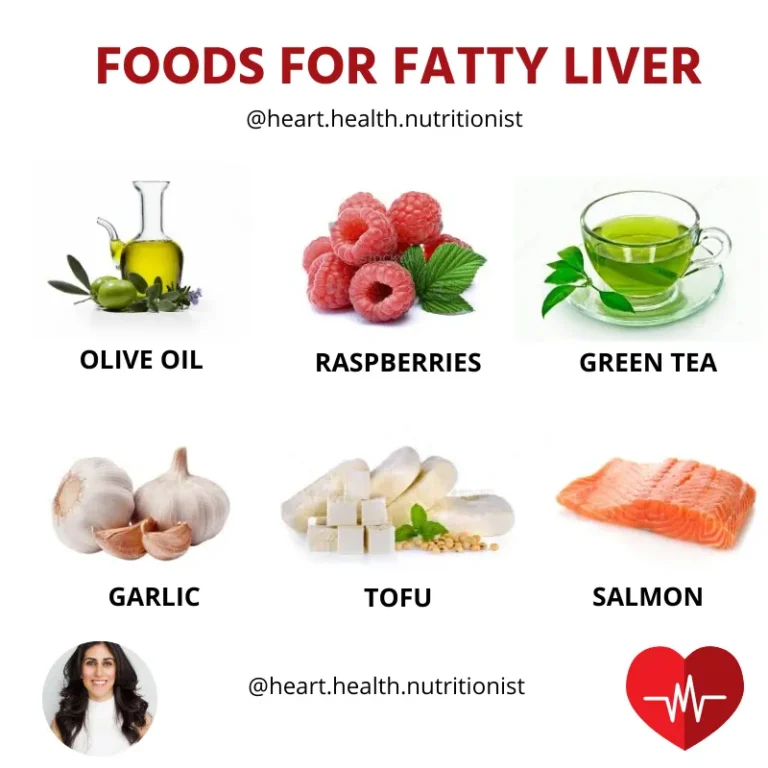
1. Eat a variety of fruits and vegetables: Fruits and vegetables are rich in antioxidants, vitamins, and minerals that support liver health. Aim to include a variety of colors in your diet to ensure you are getting a wide range of nutrients.
2. Choose whole grains: Whole grains like brown rice, quinoa, and oats are high in fiber and nutrients that support liver health. Avoid refined grains like white bread and pasta, which can increase inflammation in the body.
3. Include lean proteins: Lean proteins like chicken, fish, and tofu are essential for liver health, as they provide amino acids that support detoxification and enzyme production.
4. Limit sugar and processed foods: Sugar and processed foods can strain the liver and lead to inflammation and damage. Opt for natural sweeteners like honey or maple syrup and choose whole foods over processed snacks.
5. Drink plenty of water: Staying hydrated is important for liver health, as water helps flush toxins from the body and supports digestion. Aim to drink at least 8-10 glasses of water per day.
6. Avoid excessive alcohol consumption: Alcohol is a major contributor to liver damage, as it can lead to fatty liver disease, hepatitis, and cirrhosis. If you choose to drink, do so in moderation and avoid binge drinking.
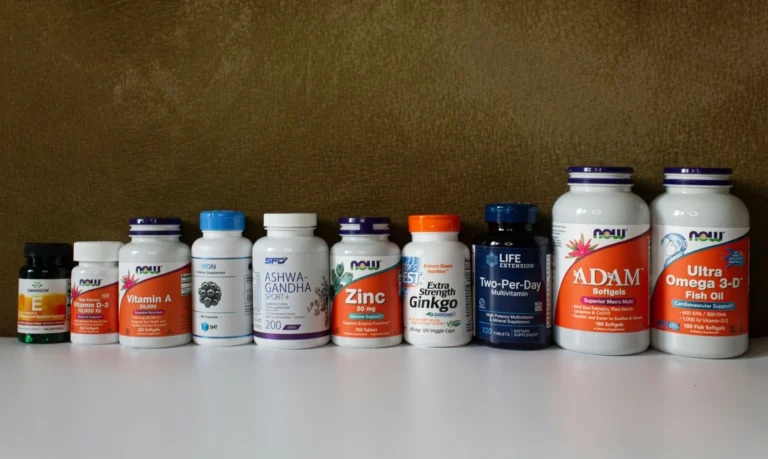
7. Consider liver-supporting supplements: Certain supplements like milk thistle, turmeric, and N-acetylcysteine can support liver health and promote detoxification. Consult with a healthcare provider before adding supplements to your routine.
FAQs
Q: Can I reverse liver damage with diet and lifestyle changes?
A: In some cases, liver damage can be reversed with diet and lifestyle changes. By adopting a healthy diet, exercising regularly, and avoiding alcohol and other toxins, you can support liver health and potentially reverse damage over time.
Q: Are there any specific foods I should avoid for liver health?
A: Foods high in sugar, trans fats, and processed ingredients should be avoided for optimal liver health. Limit your intake of fast food, sugary drinks, and fried foods, and opt for whole, nutrient-dense foods instead.
Q: How can I tell if my liver is healthy?
A: Routine blood tests can help determine the health of your liver by measuring levels of enzymes and other markers. Symptoms of liver damage may include fatigue, yellowing of the skin or eyes, abdominal pain, and swelling in the legs or abdomen. If you suspect liver damage, consult with a healthcare provider for further evaluation.
Conclusion
Nutrition plays a crucial role in supporting liver health and preventing liver disease. By following a diet rich in whole foods, fruits, vegetables, and lean proteins, you can support optimal liver function and reduce the risk of liver damage. Avoiding alcohol, sugar, and processed foods, staying hydrated, and considering liver-supporting supplements can also help promote liver health. If you have concerns about your liver health, consult with a healthcare provider for personalized recommendations and support. Remember, a healthy liver is essential for overall well-being and longevity.