Antioxidants are powerful compounds that play a crucial role in protecting our cells from damage caused by harmful free radicals. These free radicals are unstable molecules that can cause oxidative stress in the body, leading to a myriad of health issues such as cancer, heart disease, and aging. Antioxidants help to neutralize these free radicals, preventing them from causing damage to our cells and tissues.
One of the key functions of antioxidants is to support the body’s natural detoxification pathways. These pathways are responsible for removing toxins and waste products from the body, ensuring that our cells can function optimally. Antioxidants help to support these pathways by neutralizing harmful substances and promoting the elimination of toxins.
In this article, we will explore the role of antioxidants in detox pathways, how they protect against cellular damage, and the various ways in which we can incorporate antioxidants into our diet and lifestyle to support optimal health.
The Role of Antioxidants in Detox Pathways
Our bodies are constantly exposed to toxins and pollutants from the environment, as well as from the foods we eat and the products we use. These toxins can accumulate in our cells and tissues, leading to oxidative stress and cellular damage. Antioxidants help to protect against this damage by neutralizing free radicals and supporting the body’s natural detoxification pathways.
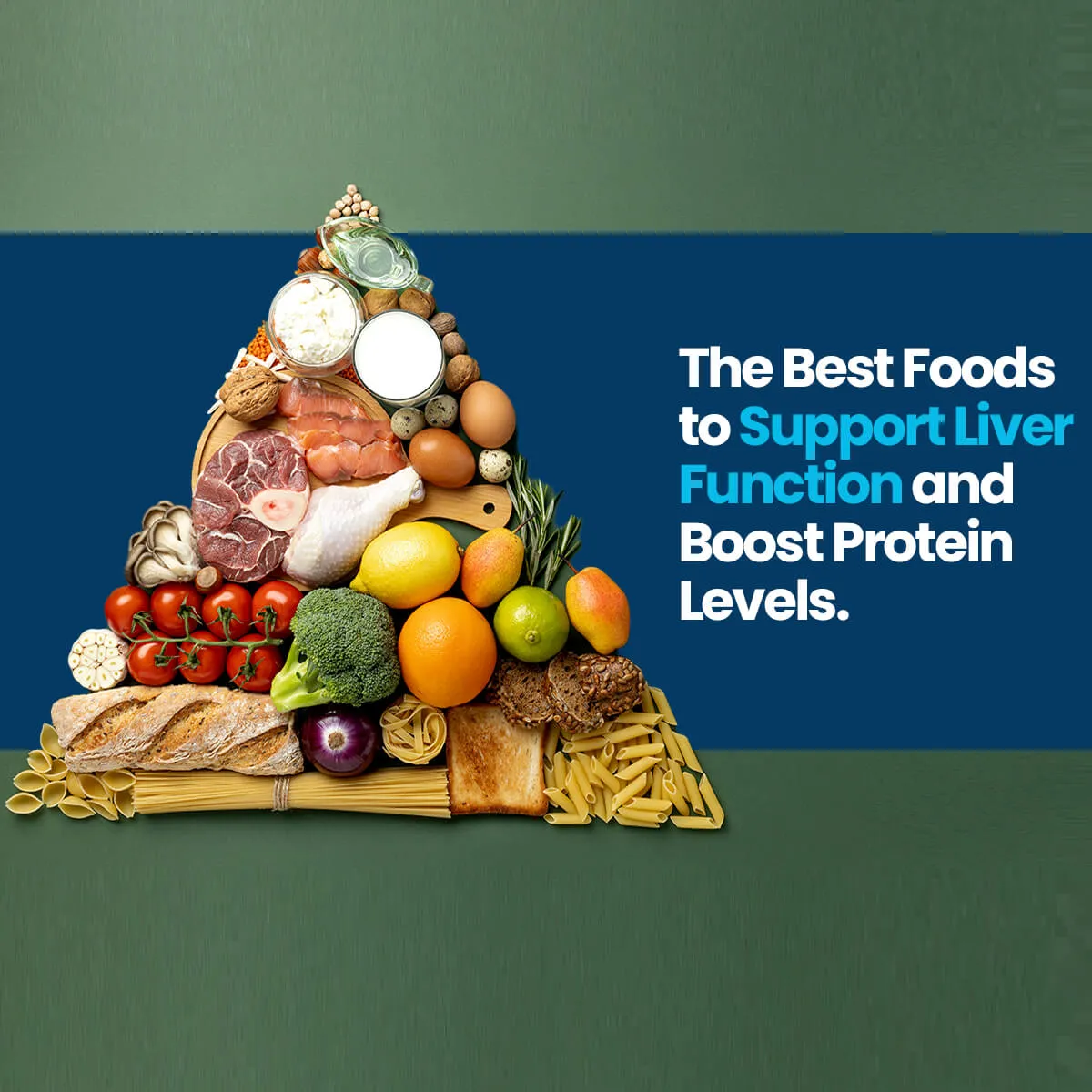
One of the key detox pathways in the body is the liver, which plays a crucial role in filtering out toxins and waste products from the blood. Antioxidants such as glutathione, vitamin C, and vitamin E help to support the liver in its detoxification processes, ensuring that toxins are efficiently removed from the body.
In addition to supporting the liver, antioxidants also help to protect against oxidative stress in other organs and tissues, including the skin, brain, and heart. By neutralizing free radicals and promoting the elimination of toxins, antioxidants help to prevent cellular damage and reduce the risk of chronic diseases.
How Antioxidants Protect Against Cellular Damage
Antioxidants protect against cellular damage by neutralizing free radicals and preventing oxidative stress in the body. Free radicals are highly reactive molecules that can damage cells and tissues by stealing electrons from other molecules, causing a chain reaction of damage known as oxidative stress.
Antioxidants help to prevent this damage by donating electrons to free radicals, stabilizing them and preventing them from causing harm to our cells. In addition to neutralizing free radicals, antioxidants also help to repair damaged cells and tissues, promoting overall health and vitality.
Some of the key antioxidants that play a role in protecting against cellular damage include:
– Vitamin C: This water-soluble vitamin is a powerful antioxidant that helps to protect cells from oxidative stress and boost the immune system.
– Vitamin E: This fat-soluble vitamin is a potent antioxidant that helps to protect cell membranes from damage and promote healthy skin and hair.
– Glutathione: This antioxidant is produced by the body and plays a crucial role in detoxification and immune function.
– Polyphenols: These plant compounds have antioxidant properties and are found in foods such as fruits, vegetables, and green tea.
By incorporating a variety of antioxidant-rich foods into our diet, we can support our body’s natural defenses against cellular damage and promote overall health and well-being.
Ways to Incorporate Antioxidants Into Your Diet and Lifestyle
There are many ways to incorporate antioxidants into your diet and lifestyle to support optimal health and well-being. Some of the best sources of antioxidants include:
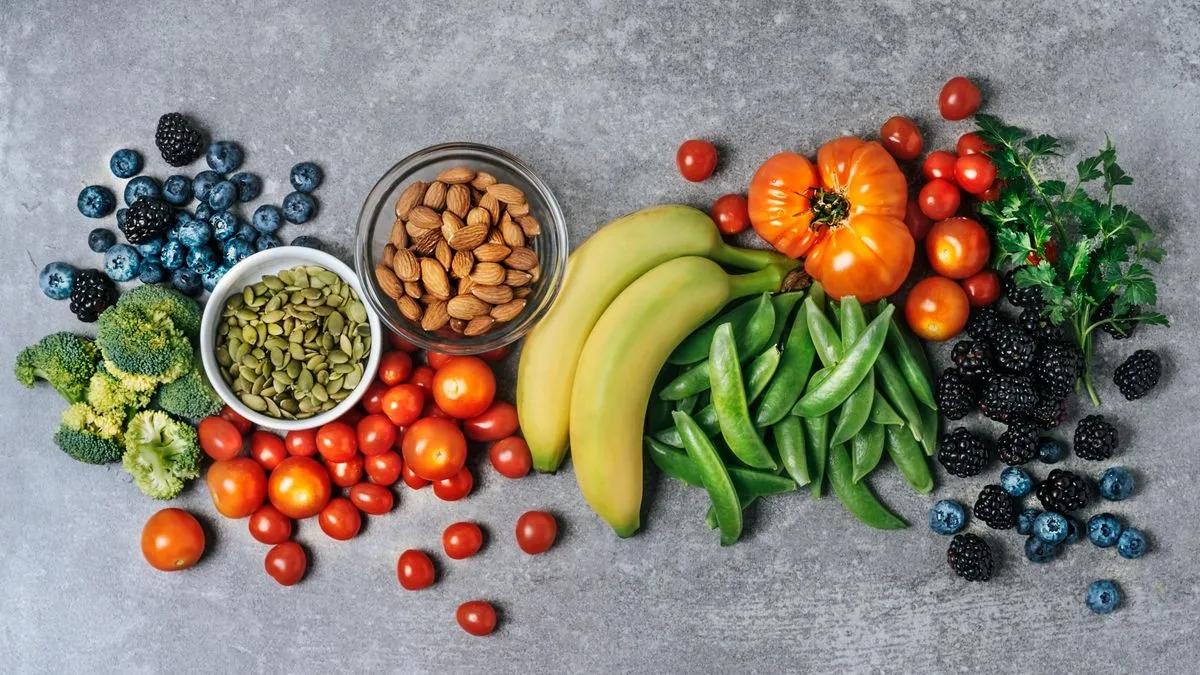
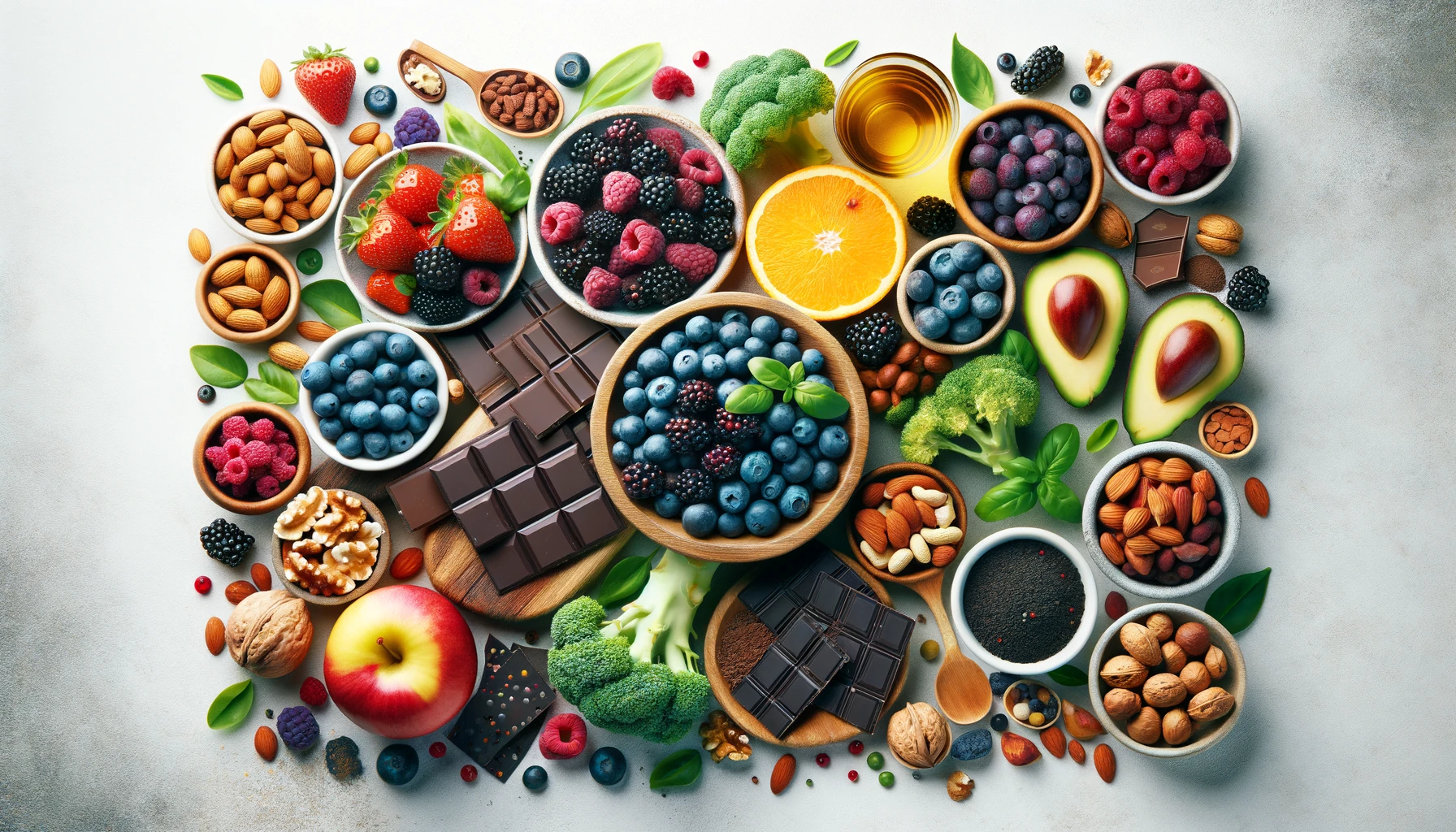
– Fruits: Berries, citrus fruits, and tropical fruits are all rich in antioxidants such as vitamin C and polyphenols.
– Vegetables: Dark leafy greens, bell peppers, and sweet potatoes are excellent sources of antioxidants such as vitamin E and beta-carotene.
– Nuts and seeds: Almonds, walnuts, and chia seeds are all high in antioxidants such as vitamin E and selenium.
– Green tea: This antioxidant-rich beverage is a great way to boost your intake of polyphenols and catechins.
– Herbs and spices: Turmeric, cinnamon, and ginger are all rich in antioxidants and can be easily incorporated into your cooking.
In addition to incorporating antioxidant-rich foods into your diet, there are also lifestyle changes you can make to support optimal health and well-being. Some of these include:
– Getting regular exercise: Physical activity helps to boost circulation, promote detoxification, and reduce oxidative stress in the body.
– Managing stress: Chronic stress can increase the production of free radicals in the body, so it’s important to find ways to relax and unwind.
– Avoiding toxins: Try to minimize your exposure to environmental toxins such as pollution, pesticides, and chemicals in household products.
– Getting enough sleep: Sleep is crucial for cellular repair and detoxification, so aim for 7-9 hours of quality sleep each night.
By incorporating antioxidant-rich foods into your diet and making healthy lifestyle choices, you can support your body’s natural detox pathways and protect against cellular damage.
FAQs
Q: What are free radicals, and how do they damage cells?
A: Free radicals are highly reactive molecules that can damage cells and tissues by stealing electrons from other molecules, causing oxidative stress. This damage can lead to a variety of health issues, including cancer, heart disease, and aging.
Q: How do antioxidants help to protect against cellular damage?
A: Antioxidants help to protect against cellular damage by neutralizing free radicals and preventing oxidative stress in the body. By donating electrons to free radicals, antioxidants stabilize them and prevent them from causing harm to our cells.
Q: What are some of the best food sources of antioxidants?
A: Some of the best food sources of antioxidants include fruits, vegetables, nuts, seeds, green tea, and herbs and spices. By incorporating these foods into your diet, you can support your body’s natural defenses against cellular damage.
Q: How can I incorporate more antioxidants into my diet?
A: To incorporate more antioxidants into your diet, focus on eating a variety of fruits, vegetables, nuts, and seeds. You can also enjoy antioxidant-rich beverages such as green tea and incorporate herbs and spices into your cooking.
Q: Are there any supplements that can help support antioxidant levels in the body?
A: While it’s always best to get antioxidants from whole foods, there are some supplements that can help support antioxidant levels in the body. These include vitamin C, vitamin E, glutathione, and polyphenols.
In conclusion, antioxidants play a crucial role in protecting against cellular damage and supporting the body’s natural detox pathways. By incorporating antioxidant-rich foods into your diet and making healthy lifestyle choices, you can support optimal health and well-being. If you have any further questions about antioxidants and their role in detox pathways, consult with a healthcare provider for personalized advice and recommendations.