
Hormonal Imbalances and their Impact on Liver Health
Introduction
Hormones play a crucial role in the regulation of various bodily functions, including metabolism, growth, and reproduction. When there is an imbalance in the levels of hormones in the body, it can have a significant impact on overall health, including the health of the liver. The liver is a vital organ responsible for detoxifying harmful substances, processing nutrients, and regulating blood sugar levels. In this article, we will explore the connection between hormonal imbalances and liver health, as well as discuss the symptoms, causes, and treatment options for hormonal imbalances that affect the liver.
Understanding Hormonal Imbalances
Hormonal imbalances occur when there is either too much or too little of a particular hormone in the body. This can be due to a variety of factors, including genetics, lifestyle choices, and underlying medical conditions. Some common hormones that can impact liver health include insulin, estrogen, testosterone, cortisol, and thyroid hormones.
Insulin is a hormone produced by the pancreas that helps regulate blood sugar levels. When there is an imbalance in insulin levels, it can lead to conditions such as diabetes, which can have a negative impact on liver health. Elevated insulin levels can also increase the risk of fatty liver disease, a condition in which fat accumulates in the liver and can lead to inflammation and scarring.
Estrogen and testosterone are sex hormones that play a role in reproductive health. Imbalances in these hormones can affect liver function, as the liver is responsible for metabolizing and excreting these hormones from the body. High levels of estrogen, for example, can increase the risk of liver cancer, while low levels of testosterone can lead to non-alcoholic fatty liver disease.
Cortisol is a stress hormone produced by the adrenal glands. Chronic stress can lead to elevated cortisol levels, which can disrupt liver function and contribute to conditions such as fatty liver disease and liver inflammation. Thyroid hormones, such as T3 and T4, are also important for liver health, as they help regulate metabolism and energy production. Imbalances in thyroid hormones can lead to conditions such as hypothyroidism or hyperthyroidism, which can impact liver function.
Symptoms of Hormonal Imbalances Affecting the Liver
The symptoms of hormonal imbalances that affect the liver can vary depending on the specific hormone involved and the underlying cause of the imbalance. Some common symptoms include:
– Fatigue
– Weight gain or loss
– Mood swings
– Irregular menstrual cycles
– Hair loss
– Digestive issues
– Muscle weakness
– Sleep disturbances
It is important to note that these symptoms can also be caused by other medical conditions, so it is essential to consult a healthcare provider for a proper diagnosis and treatment plan.
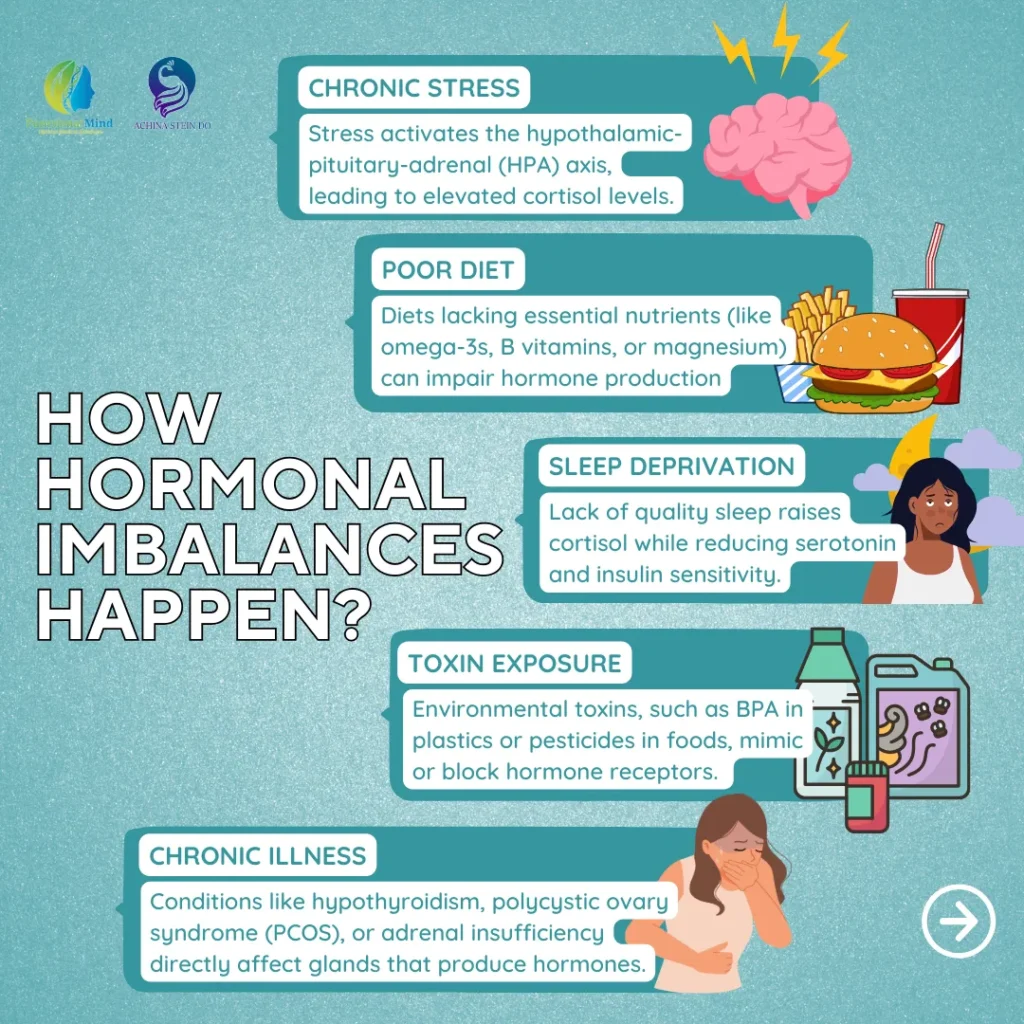
Causes of Hormonal Imbalances Affecting the Liver
There are several factors that can contribute to hormonal imbalances that affect liver health. Some common causes include:
– Poor diet: A diet high in sugar, processed foods, and unhealthy fats can disrupt hormone levels and lead to liver dysfunction.
– Sedentary lifestyle: Lack of physical activity can contribute to insulin resistance and hormonal imbalances that affect liver health.
– Stress: Chronic stress can lead to elevated cortisol levels, which can disrupt liver function and hormone production.
– Genetics: Some individuals may be genetically predisposed to hormonal imbalances that affect liver health.
– Medical conditions: Underlying medical conditions such as diabetes, thyroid disorders, and polycystic ovary syndrome can contribute to hormonal imbalances that impact liver function.
– Medications: Certain medications, such as birth control pills, hormone replacement therapy, and steroids, can disrupt hormone levels and affect liver health.
Treatment Options for Hormonal Imbalances Affecting the Liver
The treatment for hormonal imbalances that affect liver health will depend on the underlying cause of the imbalance. Some common treatment options include:
– Lifestyle changes: Making healthy lifestyle choices, such as eating a balanced diet, exercising regularly, managing stress, and getting enough sleep, can help regulate hormone levels and improve liver health.
– Medications: In some cases, medications may be prescribed to help regulate hormone levels and improve liver function. These may include insulin-sensitizing drugs, thyroid medications, or hormone replacement therapy.
– Nutritional supplements: Certain supplements, such as omega-3 fatty acids, vitamin D, and probiotics, may help support liver health and hormone balance.
– Hormone therapy: In cases of severe hormonal imbalances, hormone therapy may be recommended to help restore hormone levels to normal.
– Surgery: In rare cases, surgery may be necessary to treat hormonal imbalances that affect liver health, such as removing a tumor that is causing an imbalance in hormone levels.
It is important to work closely with a healthcare provider to determine the best treatment plan for hormonal imbalances that affect liver health and to monitor progress over time.
FAQs
Q: Can hormonal imbalances affect liver function?
A: Yes, hormonal imbalances can impact liver function by disrupting hormone levels that are essential for proper liver function.
Q: What are the symptoms of hormonal imbalances affecting the liver?
A: Symptoms of hormonal imbalances affecting the liver can include fatigue, weight gain or loss, mood swings, irregular menstrual cycles, hair loss, digestive issues, skin problems, muscle weakness, and sleep disturbances.
Q: What causes hormonal imbalances that affect liver health?
A: Hormonal imbalances that affect liver health can be caused by poor diet, sedentary lifestyle, chronic stress, genetics, underlying medical conditions, and certain medications.
Q: How are hormonal imbalances affecting liver health treated?
A: Treatment options for hormonal imbalances affecting liver health include lifestyle changes, medications, nutritional supplements, hormone therapy, and surgery, depending on the underlying cause of the imbalance.
Conclusion
Hormonal imbalances can have a significant impact on liver health, as hormones play a crucial role in regulating various bodily functions, including metabolism, growth, and reproduction. When there is an imbalance in hormone levels, it can disrupt liver function and lead to conditions such as fatty liver disease, liver inflammation, and liver cancer. It is important to work closely with a healthcare provider to identify the underlying cause of hormonal imbalances affecting liver health and to develop a treatment plan that addresses the imbalance and supports liver function. By making healthy lifestyle choices, taking prescribed medications, and monitoring hormone levels, individuals can improve liver health and overall well-being.
