
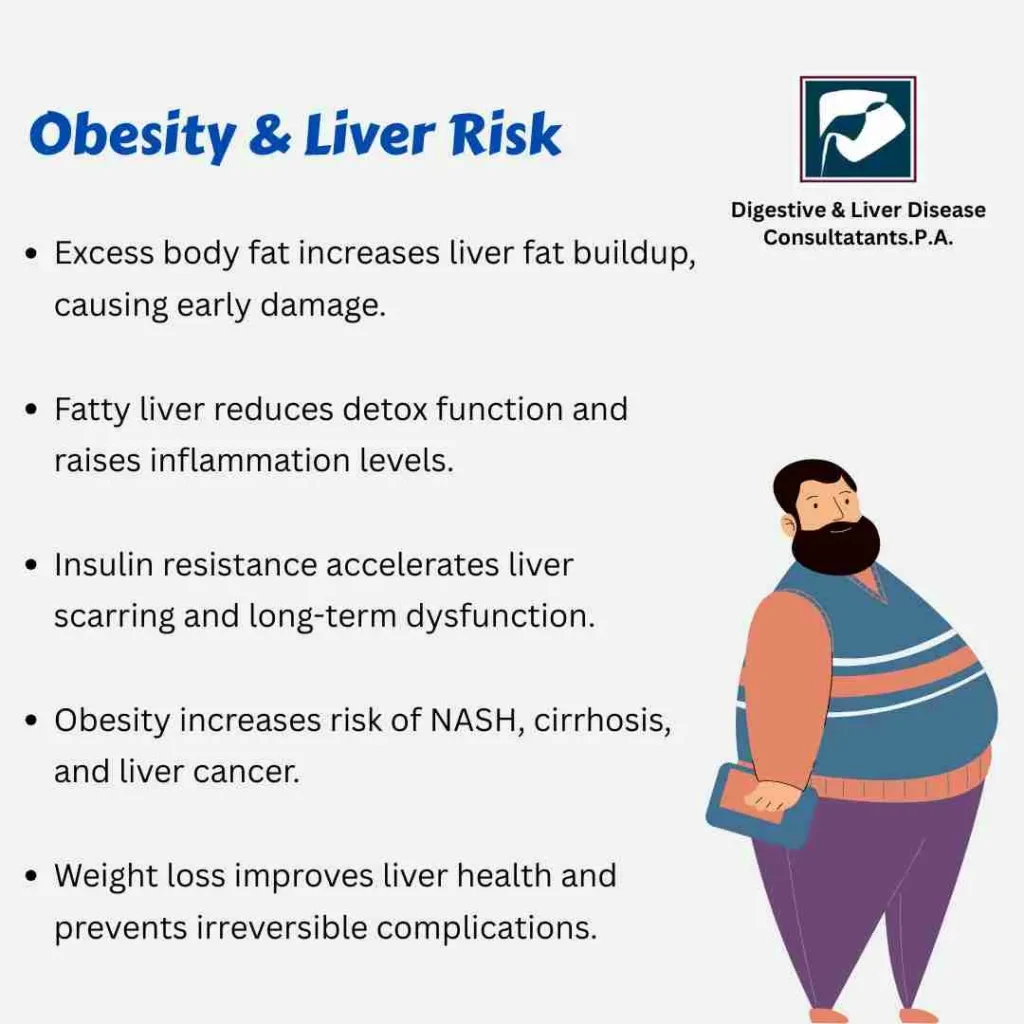
Excess belly fat, also known as visceral fat, can have a significant impact on your liver function and overall health. The liver is a vital organ responsible for processing nutrients, filtering toxins, and producing important proteins. When excess fat accumulates in the abdominal region, it can lead to a condition known as non-alcoholic fatty liver disease (NAFLD), which can have serious consequences if left untreated. In this article, we will explore the relationship between excess belly fat and liver function, as well as ways to prevent and treat NAFLD. We will also address some frequently asked questions about this common health issue.
The Connection Between Excess Belly Fat and Liver Function
Excess belly fat is not just a cosmetic concern; it can have a profound impact on your liver function. When fat accumulates in the abdominal region, it surrounds vital organs such as the liver, leading to inflammation and insulin resistance. This can result in a condition known as non-alcoholic fatty liver disease (NAFLD), which is characterized by the accumulation of fat in the liver cells.
NAFLD is the most common liver disorder in the Western world, affecting an estimated 25% of the population. It is often associated with obesity, type 2 diabetes, high cholesterol, and high blood pressure. If left untreated, NAFLD can progress to more serious conditions such as non-alcoholic steatohepatitis (NASH), cirrhosis, and liver cancer.
The presence of excess belly fat is a key risk factor for the development of NAFLD. When fat accumulates in the abdominal region, it releases inflammatory chemicals that can damage liver cells and impair their function. This can lead to a buildup of fat in the liver, which can interfere with its ability to perform essential functions such as detoxification and the production of proteins.
In addition to directly affecting liver function, excess belly fat can also contribute to the development of insulin resistance and metabolic syndrome, both of which are risk factors for NAFLD. Insulin resistance occurs when the body’s cells become resistant to the effects of insulin, leading to high blood sugar levels and an increased risk of type 2 diabetes. Metabolic syndrome is a cluster of conditions including high blood pressure, high cholesterol, and abdominal obesity that increase the risk of heart disease, stroke, and liver disease.
Preventing and Treating NAFLD
The good news is that NAFLD is a reversible condition, and there are steps you can take to prevent and treat it. The most effective way to reduce the risk of NAFLD is to maintain a healthy weight through a balanced diet and regular exercise. Losing just 5-10% of your body weight can significantly reduce the amount of fat in your liver and improve liver function.
A healthy diet is key to preventing and treating NAFLD. Focus on eating a variety of fruits, vegetables, whole grains, lean proteins, and healthy fats. Limit your intake of sugary foods and drinks, processed foods, and saturated fats, as these can contribute to the accumulation of fat in the liver. Avoiding alcohol is also important, as it can exacerbate liver damage in individuals with NAFLD.
Regular exercise is another important component of a healthy lifestyle that can help prevent and treat NAFLD. Aim for at least 150 minutes of moderate-intensity aerobic exercise per week, such as brisk walking, cycling, or swimming. Strength training exercises can also help build muscle mass and improve insulin sensitivity, which can reduce the risk of NAFLD.
In addition to diet and exercise, certain supplements may help improve liver function and reduce the risk of NAFLD. For example, studies have shown that omega-3 fatty acids, such as those found in fish oil, can reduce liver fat and inflammation in individuals with NAFLD. Other supplements that may be beneficial include milk thistle, vitamin E, and probiotics.
If you have been diagnosed with NAFLD, it is important to work closely with your healthcare provider to develop a treatment plan. In some cases, medications such as insulin-sensitizing drugs or cholesterol-lowering medications may be prescribed to help manage the condition. Regular monitoring of liver function tests and imaging studies such as ultrasound or MRI may also be recommended to track the progression of the disease.
Frequently Asked Questions About Excess Belly Fat and Liver Function
Q: Can excess belly fat cause liver damage?
A: Yes, excess belly fat can lead to the development of non-alcoholic fatty liver disease (NAFLD), which can cause liver damage if left untreated.
Q: How can I tell if I have NAFLD?
A: NAFLD often does not cause any symptoms in the early stages, but it can be detected through blood tests that measure liver enzymes and imaging studies such as ultrasound or MRI.
Q: Is NAFLD reversible?
A: Yes, NAFLD is a reversible condition, and lifestyle changes such as diet, exercise, and weight loss can help improve liver function and reduce the amount of fat in the liver.
Q: Are there any medications that can help treat NAFLD?
A: There are no specific medications approved for the treatment of NAFLD, but certain drugs such as insulin-sensitizing drugs or cholesterol-lowering medications may be prescribed to help manage the condition.
Q: Can supplements help improve liver function in individuals with NAFLD?
A: Some supplements, such as omega-3 fatty acids, milk thistle, vitamin E, and probiotics, may help reduce liver fat and inflammation in individuals with NAFLD.
In conclusion, excess belly fat can have a significant impact on liver function and increase the risk of developing non-alcoholic fatty liver disease. By maintaining a healthy weight through diet and exercise, avoiding alcohol, and taking supplements that support liver health, you can reduce the risk of NAFLD and improve liver function. If you have been diagnosed with NAFLD, work closely with your healthcare provider to develop a treatment plan that meets your individual needs. By taking proactive steps to address excess belly fat and liver function, you can protect your liver health and overall well-being.
