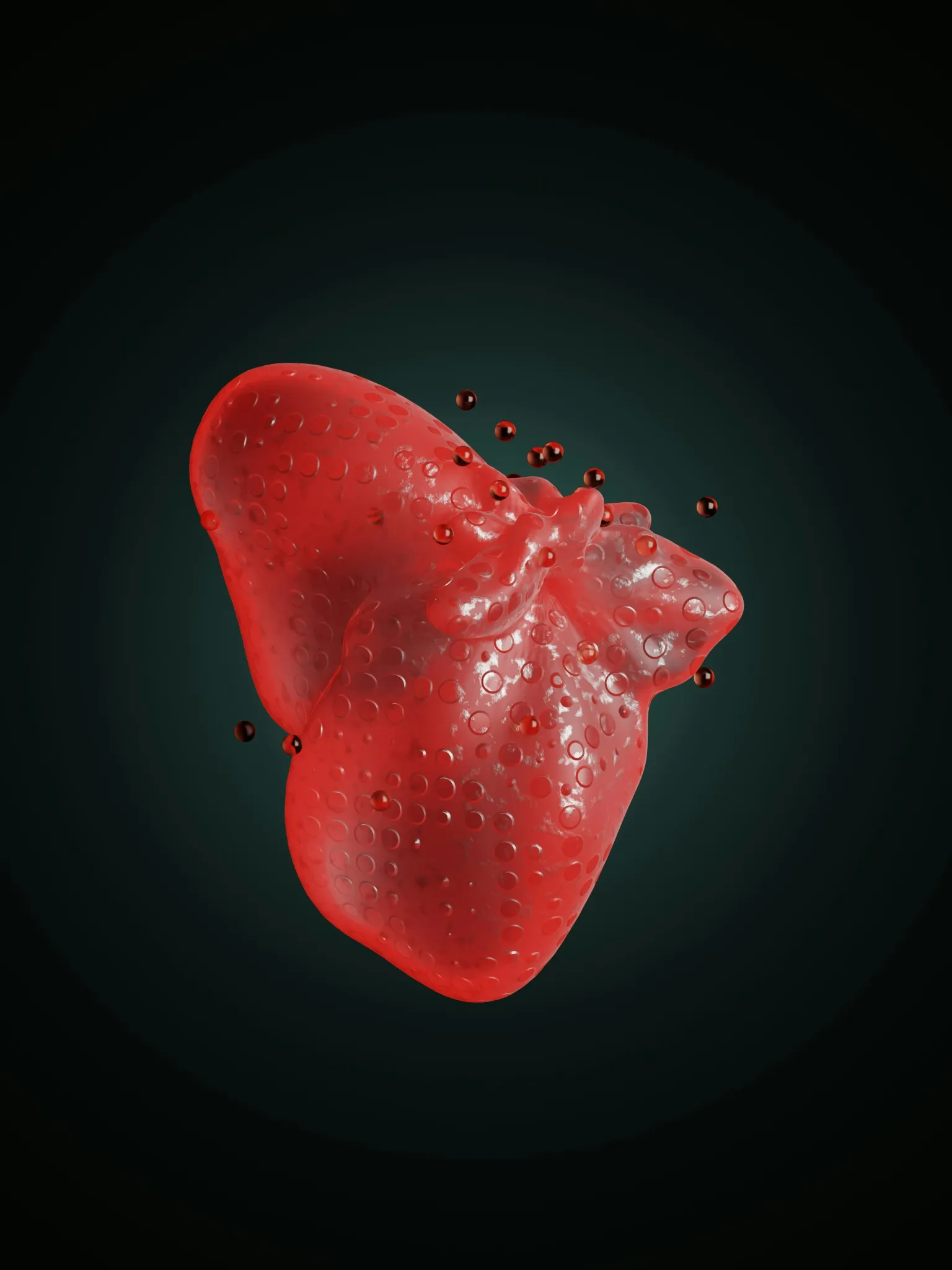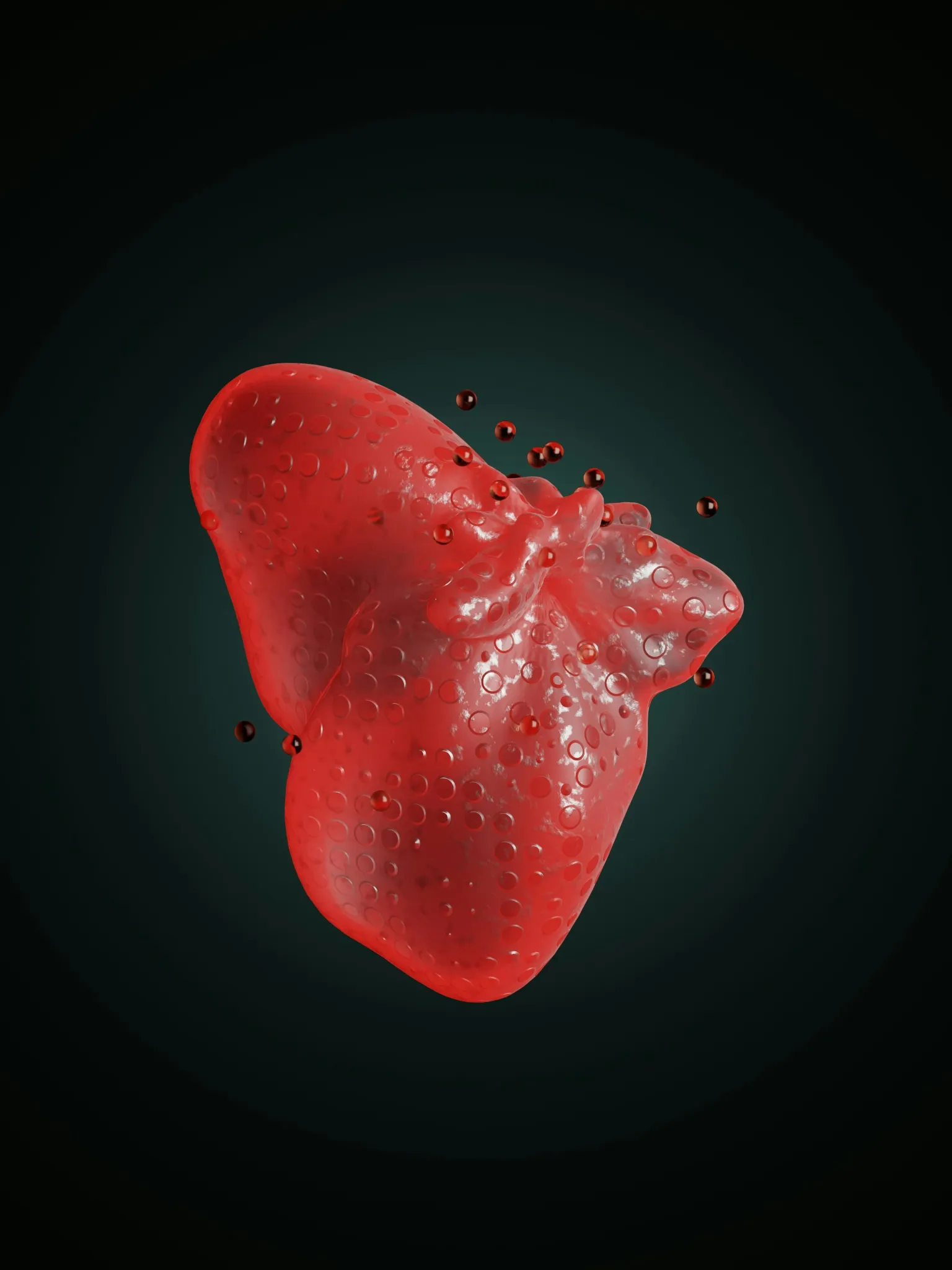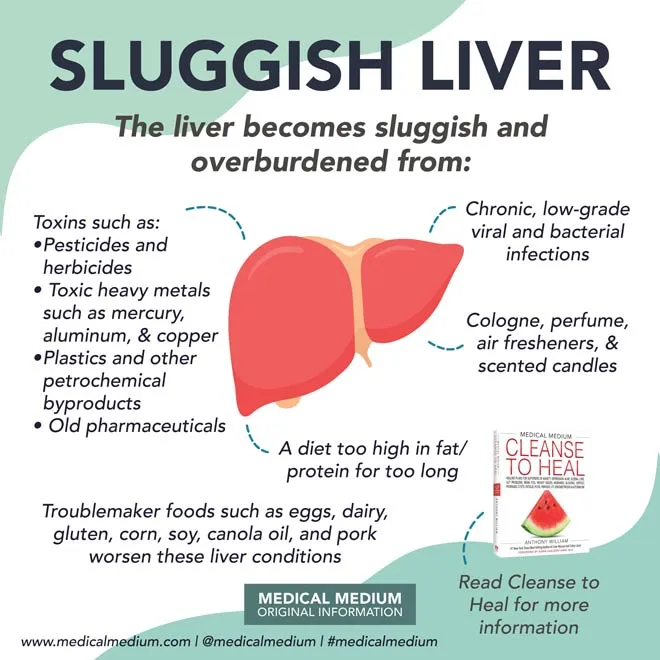
The liver plays a crucial role in maintaining overall health and well-being. It is responsible for numerous functions in the body, including detoxifying harmful substances, producing bile for digestion, storing glycogen for energy, and metabolizing fats, proteins, and carbohydrates. However, when the liver becomes sluggish or overwhelmed with toxins, it can have a significant impact on your waistline and overall weight.
Can a Sluggish Liver Lead to Weight Gain?
A sluggish liver can indeed contribute to weight gain in several ways. One of the primary functions of the liver is to detoxify the body by processing and eliminating toxins. When the liver is overburdened with toxins from processed foods, alcohol, medications, and environmental pollutants, it can become sluggish and less efficient at metabolizing fats. This can lead to a build-up of fat in the liver, a condition known as non-alcoholic fatty liver disease (NAFLD).
NAFLD is a common condition that affects up to 25% of the population and is strongly associated with obesity and metabolic syndrome. It can lead to inflammation, insulin resistance, and an increased risk of developing type 2 diabetes and heart disease. In addition, a fatty liver can impair the body’s ability to metabolize fats, leading to weight gain and difficulty losing weight.
Furthermore, a sluggish liver can also affect the production of bile, a substance that helps to digest fats. When bile production is impaired, fats are not broken down properly, leading to poor digestion and absorption of nutrients. This can result in nutrient deficiencies, cravings for unhealthy foods, and weight gain.
Moreover, an overburdened liver can also impact the regulation of blood sugar levels. The liver plays a key role in maintaining stable blood sugar levels by storing and releasing glucose as needed. When the liver is not functioning optimally, it can lead to fluctuations in blood sugar levels, causing cravings for sugary and high-carbohydrate foods. This can contribute to weight gain and insulin resistance, further exacerbating the problem.
In summary, a sluggish liver can lead to weight gain by impairing the body’s ability to metabolize fats, digest nutrients, and regulate blood sugar levels. It is essential to support liver health through a healthy diet, regular exercise, and detoxification practices to maintain a healthy weight and overall well-being.
How Liver Health Impacts Your Waistline
Liver health plays a crucial role in maintaining a healthy weight and waistline. The liver is responsible for numerous functions in the body, including detoxifying harmful substances, producing bile for digestion, storing glycogen for energy, and metabolizing fats, proteins, and carbohydrates. When the liver becomes sluggish or overwhelmed with toxins, it can have a significant impact on your waistline and overall weight.
1. Impaired fat metabolism: The liver plays a key role in metabolizing fats by breaking them down into fatty acids and storing them for energy. When the liver is overburdened with toxins or unhealthy fats, it can become sluggish and less efficient at metabolizing fats. This can lead to a build-up of fat in the liver, known as non-alcoholic fatty liver disease (NAFLD). NAFLD is strongly associated with obesity and metabolic syndrome and can lead to weight gain and difficulty losing weight.
2. Poor digestion and absorption of nutrients: The liver produces bile, a substance that helps to digest fats and absorb nutrients. When bile production is impaired, fats are not broken down properly, leading to poor digestion and absorption of nutrients. This can result in nutrient deficiencies, cravings for unhealthy foods, and weight gain.
3. Regulation of blood sugar levels: The liver plays a key role in maintaining stable blood sugar levels by storing and releasing glucose as needed. When the liver is not functioning optimally, it can lead to fluctuations in blood sugar levels, causing cravings for sugary and high-carbohydrate foods. This can contribute to weight gain and insulin resistance.
4. Insulin resistance: A sluggish liver can lead to insulin resistance, a condition in which the body’s cells become less responsive to the hormone insulin. Insulin resistance can lead to increased fat storage, especially around the abdomen, and difficulty losing weight. It is strongly associated with obesity, metabolic syndrome, and an increased risk of developing type 2 diabetes and heart disease.
5. Cravings for unhealthy foods: A sluggish liver can lead to cravings for unhealthy foods, such as sugary and high-carbohydrate foods. These foods can further impair liver function, leading to a vicious cycle of weight gain and poor health.
In summary, liver health impacts your waistline by impairing fat metabolism, digestion, and absorption of nutrients, regulating blood sugar levels, and promoting insulin resistance and cravings for unhealthy foods. It is essential to support liver health through a healthy diet, regular exercise, and detoxification practices to maintain a healthy weight and overall well-being.
FAQs:
1. How can I improve liver health to support weight loss?
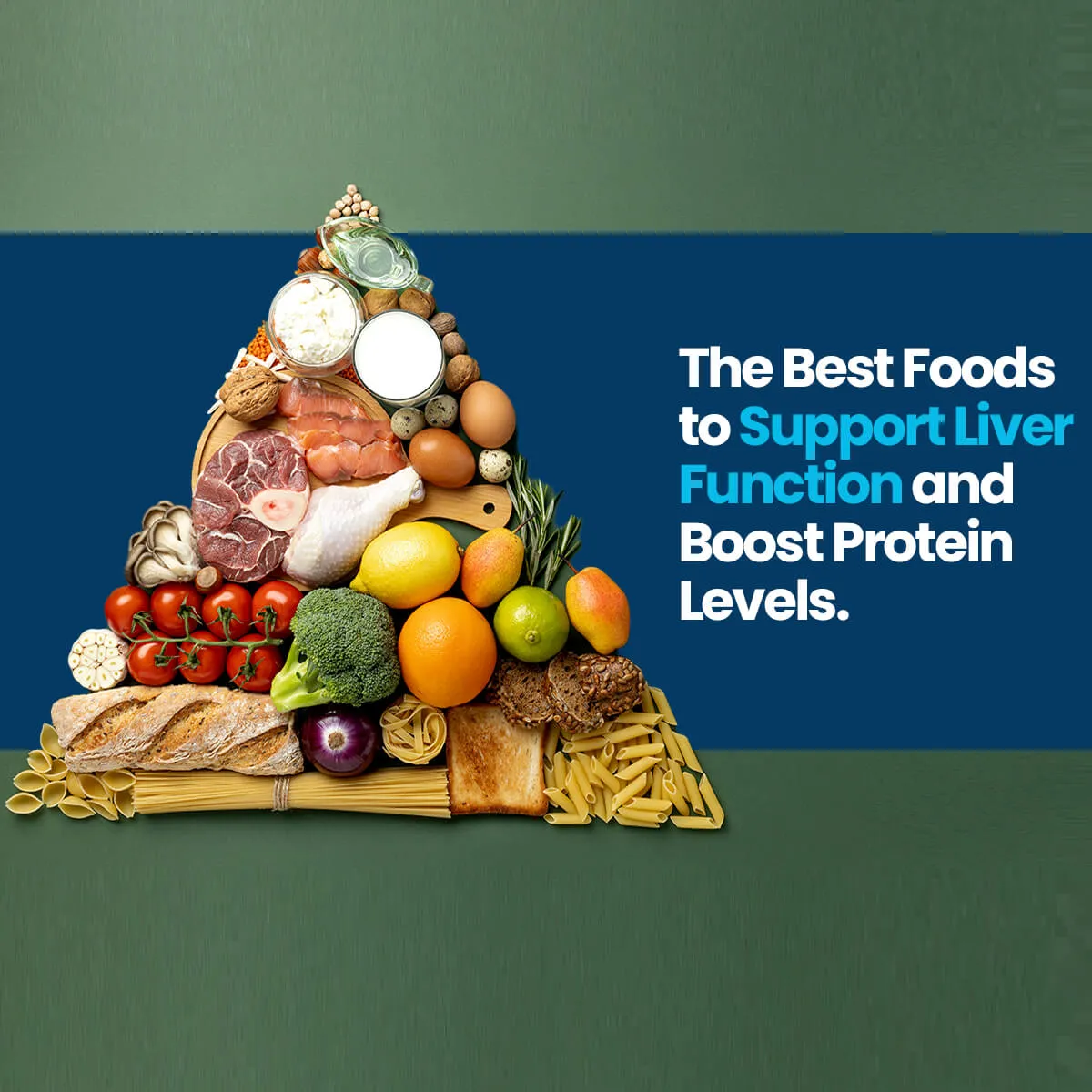
To improve liver health and support weight loss, focus on eating a healthy diet rich in fruits, vegetables, whole grains, lean proteins, and healthy fats. Avoid processed foods, sugary beverages, alcohol, and unhealthy fats. Stay hydrated, exercise regularly, and practice stress-reducing techniques such as yoga and meditation. Consider incorporating liver-supporting herbs and supplements such as milk thistle, dandelion root, and turmeric into your routine.
2. Can detoxification practices help improve liver health and promote weight loss?
Detoxification practices such as fasting, juice cleanses, and liver cleanses can help support liver health and promote weight loss. However, it is essential to consult with a healthcare provider before starting any detox program to ensure it is safe and appropriate for your individual needs. Focus on incorporating liver-supporting foods and herbs into your diet, along with regular exercise and stress-reducing techniques, to support liver health and promote weight loss.
3. Are there any specific foods or nutrients that can help support liver health and weight loss?
Certain foods and nutrients can help support liver health and promote weight loss. Include liver-supporting foods such as garlic, onions, cruciferous vegetables, turmeric, and green tea in your diet. Focus on foods high in antioxidants, fiber, and healthy fats, such as berries, nuts, seeds, avocados, and fatty fish. Consider incorporating liver-supporting herbs and supplements such as milk thistle, dandelion root, and turmeric into your routine. Be sure to stay hydrated, exercise regularly, and practice stress-reducing techniques to support liver health and promote weight loss.
4. How can I tell if my liver is sluggish and impacting my waistline?
Symptoms of a sluggish liver may include fatigue, bloating, digestive issues, skin problems, weight gain, and difficulty losing weight. If you are experiencing these symptoms, it may be a sign that your liver is not functioning optimally and is impacting your waistline. Consider consulting with a healthcare provider to discuss your symptoms and determine the best course of action to support liver health and promote weight loss.
In conclusion, liver health impacts your waistline by impairing fat metabolism, digestion, and absorption of nutrients, regulating blood sugar levels, promoting insulin resistance, and cravings for unhealthy foods. It is essential to support liver health through a healthy diet, regular exercise, and detoxification practices to maintain a healthy weight and overall well-being. Be sure to consult with a healthcare provider before starting any new diet or detox program to ensure it is safe and appropriate for your individual needs.