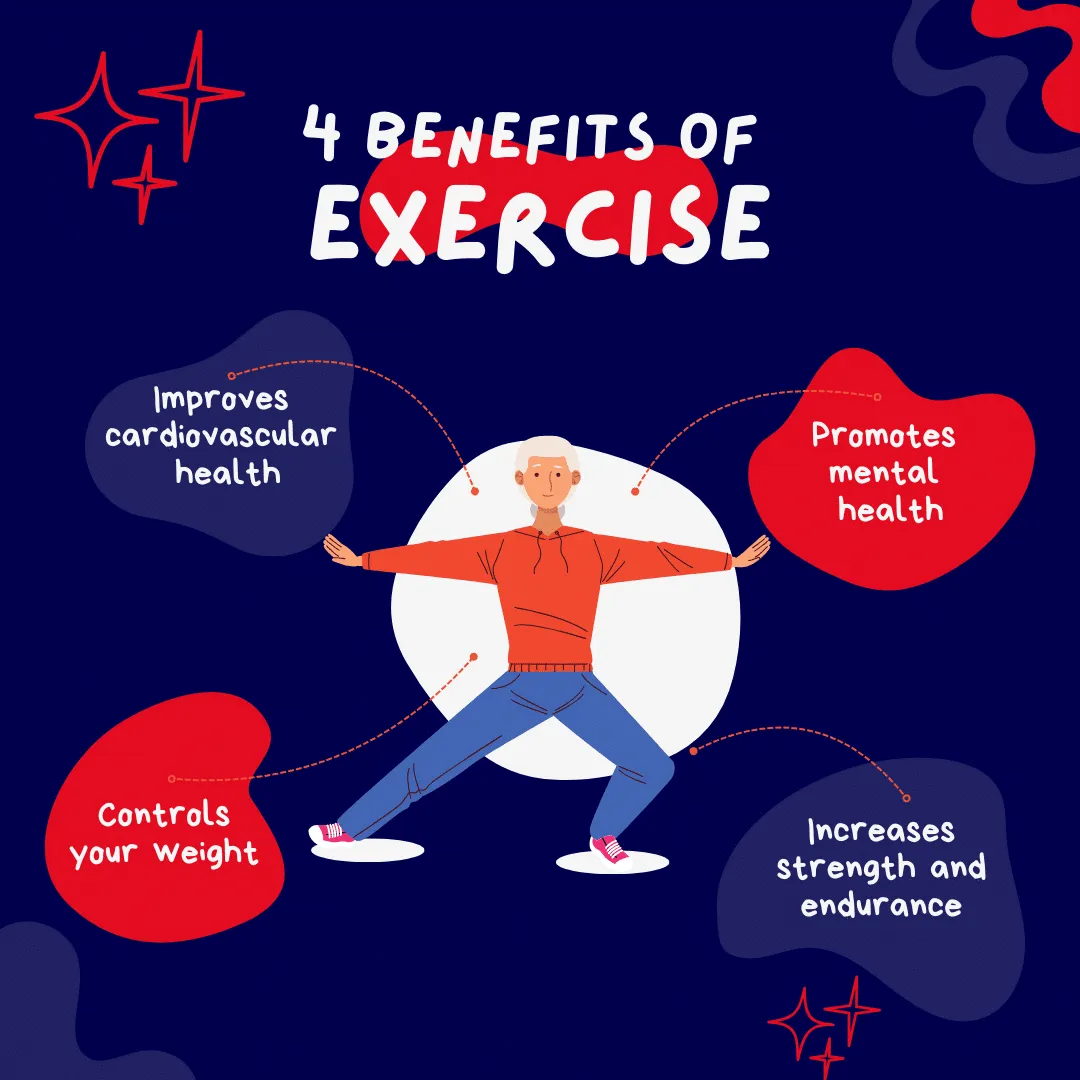
Regular physical activity has long been touted as a key component of a healthy lifestyle. From improving cardiovascular health to boosting mood and energy levels, the benefits of regular exercise are numerous and well-documented. But one aspect of health that is often overlooked when it comes to the benefits of physical activity is liver function.
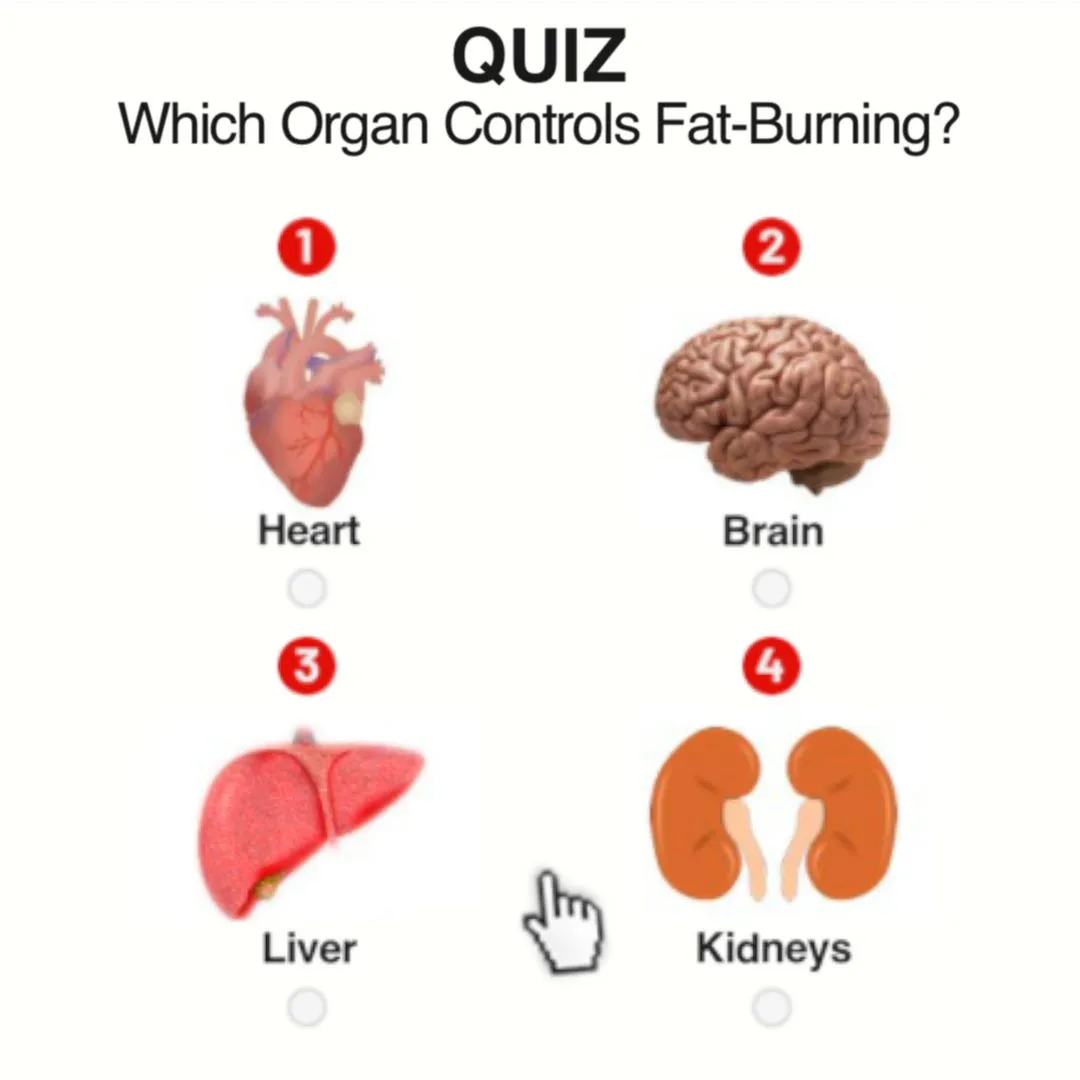
The liver is one of the body’s most vital organs, responsible for a wide range of functions such as detoxification, metabolism, and nutrient storage. When the liver is not functioning properly, it can lead to a host of health issues, including liver disease, fatty liver, and even liver failure.
Fortunately, research has shown that regular physical activity can have a positive impact on liver health. In this article, we will explore how exercise can improve liver function, the mechanisms behind these benefits, and how you can incorporate exercise into your routine to support your liver health.
How Exercise Can Improve Liver Function
1. Reducing liver fat: One of the key benefits of regular physical activity is its ability to reduce liver fat. Excess fat in the liver can lead to a condition known as non-alcoholic fatty liver disease (NAFLD), which is a common cause of liver damage and can eventually progress to more serious conditions such as liver cirrhosis. Exercise has been shown to help reduce liver fat by promoting the breakdown and utilization of stored fats for energy.
2. Improving insulin sensitivity: Insulin resistance is a common feature of liver disease and can contribute to the development of NAFLD. Regular exercise has been shown to improve insulin sensitivity, allowing the body to better regulate blood sugar levels and reducing the risk of developing liver disease.
3. Enhancing blood flow: Physical activity can also improve blood flow to the liver, which is essential for delivering nutrients and oxygen to the organ. Improved blood flow can help support the liver’s detoxification processes and promote overall liver health.
4. Supporting weight management: Maintaining a healthy weight is crucial for liver health, as obesity is a major risk factor for liver disease. Regular exercise can help support weight management by increasing calorie expenditure, promoting fat loss, and building lean muscle mass.
5. Reducing inflammation: Chronic inflammation is a key driver of liver damage and disease. Exercise has been shown to have anti-inflammatory effects, which can help reduce inflammation in the liver and protect against liver damage.
The Mechanisms Behind the Benefits
The exact mechanisms behind how exercise improves liver function are still being studied, but several key pathways have been identified. One important mechanism is the activation of AMP-activated protein kinase (AMPK), a cellular energy sensor that plays a role in regulating metabolism and energy balance. AMPK activation has been shown to promote the breakdown of stored fats in the liver, reduce inflammation, and improve insulin sensitivity.
Exercise also stimulates the production of hormones such as adiponectin, which has anti-inflammatory and insulin-sensitizing effects. Adiponectin has been shown to protect against liver damage and fatty liver disease, making it an important factor in the benefits of exercise on liver health.
In addition, exercise has been shown to increase the production of antioxidant enzymes in the liver, which can help protect against oxidative stress and damage. Oxidative stress is a key contributor to liver disease and can lead to inflammation, cell damage, and scarring in the liver.
How to Incorporate Exercise into Your Routine
If you’re looking to improve your liver function through exercise, there are a few key things to keep in mind. First, it’s important to choose activities that you enjoy and that you can stick with long-term. Whether it’s walking, jogging, cycling, swimming, or strength training, finding activities that you enjoy will help keep you motivated and consistent with your exercise routine.
It’s also important to gradually increase the intensity and duration of your workouts to challenge your body and continue to see improvements in liver function. Aim for at least 150 minutes of moderate-intensity exercise per week, or 75 minutes of vigorous-intensity exercise, along with strength training exercises at least two days per week.
Remember to listen to your body and give yourself rest days when needed to prevent overtraining and reduce the risk of injury. Stay hydrated, eat a balanced diet rich in fruits, vegetables, lean proteins, and whole grains, and get plenty of sleep to support your overall health and liver function.
FAQs
Q: Can exercise help reverse liver damage?
A: While regular physical activity can help improve liver function and reduce the risk of liver damage, it may not be able to reverse severe liver damage or advanced liver disease. It’s important to consult with a healthcare provider for personalized recommendations and treatment options if you have liver disease.
Q: How long does it take to see improvements in liver function with exercise?
A: The timeline for seeing improvements in liver function with exercise can vary depending on factors such as the severity of liver disease, the type and intensity of exercise, and individual differences in metabolism and genetics. In general, consistent exercise over several weeks to months can lead to improvements in liver health.
Q: Are there specific types of exercise that are best for liver health?
A: Any type of physical activity that gets your heart rate up and engages your muscles can be beneficial for liver health. Aerobic exercises such as walking, jogging, cycling, and swimming are great for improving cardiovascular health and reducing liver fat, while strength training exercises can help build muscle mass and support overall metabolism.
Q: Can I exercise if I have liver disease or liver damage?
A: It’s important to consult with a healthcare provider before starting an exercise program if you have liver disease or liver damage. Your healthcare provider can help determine the appropriate type and intensity of exercise for your condition, as well as provide guidance on how to safely incorporate exercise into your routine.
In conclusion, regular physical activity is a powerful tool for improving liver function and supporting overall liver health. By reducing liver fat, improving insulin sensitivity, enhancing blood flow, supporting weight management, and reducing inflammation, exercise can help protect against liver disease and promote optimal liver function. Incorporating exercise into your routine, along with a healthy diet and lifestyle, can help you maintain a healthy liver and prevent liver-related health issues in the long term. Remember to consult with a healthcare provider before starting an exercise program, especially if you have liver disease or liver damage, to ensure that you are exercising safely and effectively.