Is Your Liver Slowing Down Your Metabolism? Here’s How to Tell
Introduction
The liver is one of the most important organs in the body, responsible for a wide range of functions including detoxification, metabolism, and nutrient storage. When the liver is not functioning properly, it can have a significant impact on your overall health, including your metabolism. In this article, we will explore how the liver can affect your metabolism and provide tips on how to tell if your liver is slowing down your metabolism.
How Does the Liver Affect Metabolism?
The liver plays a crucial role in the metabolism of carbohydrates, fats, and proteins. It is responsible for breaking down nutrients from the food we eat and converting them into energy that can be used by the body. When the liver is functioning properly, it helps to regulate blood sugar levels, control cholesterol levels, and maintain a healthy weight.
However, when the liver is not functioning properly, it can lead to a condition known as non-alcoholic fatty liver disease (NAFLD). This condition occurs when there is an accumulation of fat in the liver, which can lead to inflammation and scarring of the liver tissue. NAFLD is strongly associated with insulin resistance, which can lead to weight gain, high blood sugar levels, and an increased risk of developing type 2 diabetes.
In addition to NAFLD, a sluggish liver can also lead to a condition known as metabolic syndrome. This condition is characterized by a cluster of symptoms including high blood pressure, high cholesterol levels, and abdominal obesity. Metabolic syndrome is a major risk factor for heart disease, stroke, and type 2 diabetes.
Signs Your Liver May Be Slowing Down Your Metabolism
There are several signs that may indicate your liver is not functioning properly and may be slowing down your metabolism. These signs include:
1. Fatigue: If you are feeling tired and lethargic on a regular basis, it may be a sign that your liver is not functioning properly. The liver plays a key role in energy metabolism, so when it is not working efficiently, you may feel fatigued.
2. Weight gain: A sluggish liver can lead to weight gain, especially around the abdomen. This is because the liver is not able to efficiently metabolize fats, leading to an accumulation of fat in the body.
3. Digestive issues: If you are experiencing bloating, gas, or indigestion, it may be a sign that your liver is not functioning properly. The liver produces bile, which helps to break down fats in the digestive system. When the liver is sluggish, it can lead to digestive issues.
4. Skin problems: A sluggish liver can lead to a build-up of toxins in the body, which can manifest as skin problems such as acne, eczema, or rashes.
5. Hormonal imbalances: The liver plays a key role in hormone metabolism, so when it is not functioning properly, it can lead to hormonal imbalances. This can manifest as irregular periods, mood swings, or low libido.
How to Improve Liver Function and Boost Metabolism
If you suspect that your liver may be slowing down your metabolism, there are several steps you can take to improve liver function and boost your metabolism. These include:
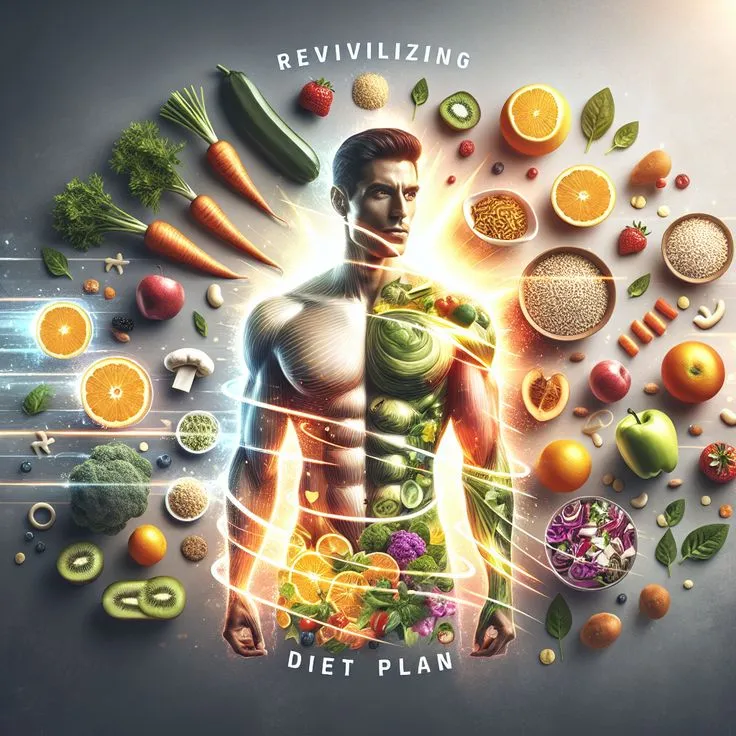
1. Eat a healthy diet: A diet rich in fruits, vegetables, whole grains, and lean proteins can help to support liver function and boost metabolism. Avoid processed foods, sugary drinks, and excessive alcohol, which can put a strain on the liver.
2. Stay hydrated: Drinking plenty of water can help to flush toxins out of the body and support liver function. Aim to drink at least 8-10 glasses of water per day.
3. Exercise regularly: Regular exercise can help to improve liver function and boost metabolism. Aim for at least 30 minutes of moderate-intensity exercise most days of the week.
4. Get enough sleep: Lack of sleep can put a strain on the liver and lead to hormonal imbalances. Aim for 7-8 hours of quality sleep per night to support liver function.
5. Limit exposure to toxins: Toxins from environmental pollutants, household cleaners, and personal care products can put a strain on the liver. Try to limit your exposure to these toxins as much as possible.
FAQs
Q: Can liver detoxes help to improve liver function and boost metabolism?
A: While liver detoxes are popular, there is limited scientific evidence to support their effectiveness. It is generally best to focus on a healthy diet, regular exercise, and lifestyle habits that support liver function.
Q: Are there any supplements that can help to improve liver function?
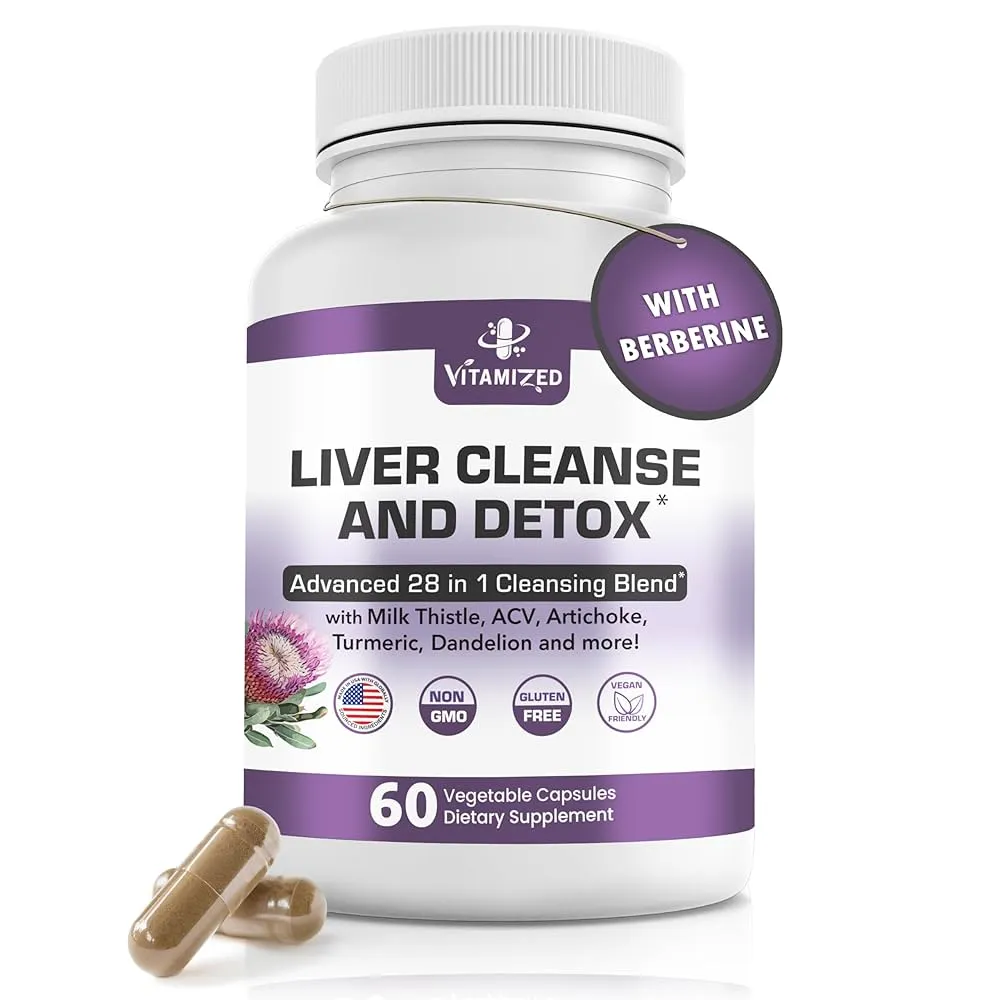
A: Some supplements, such as milk thistle, turmeric, and N-acetyl cysteine, have been shown to support liver function. However, it is always best to consult with a healthcare provider before taking any new supplements.
Q: How long does it take to improve liver function and boost metabolism?
A: The time it takes to improve liver function and boost metabolism will vary depending on the individual. Making healthy lifestyle changes such as eating a healthy diet and exercising regularly can help to support liver function over time.
Conclusion
The liver plays a crucial role in metabolism, so when it is not functioning properly, it can have a significant impact on your overall health. If you suspect that your liver may be slowing down your metabolism, it is important to take steps to improve liver function and support metabolism. By eating a healthy diet, staying hydrated, exercising regularly, getting enough sleep, and limiting exposure to toxins, you can help to improve liver function and boost metabolism. If you are experiencing persistent symptoms such as fatigue, weight gain, digestive issues, skin problems, or hormonal imbalances, it is important to consult with a healthcare provider for further evaluation and treatment.