The Connection Between Hormones and Liver Health: What You Need to Know
Introduction
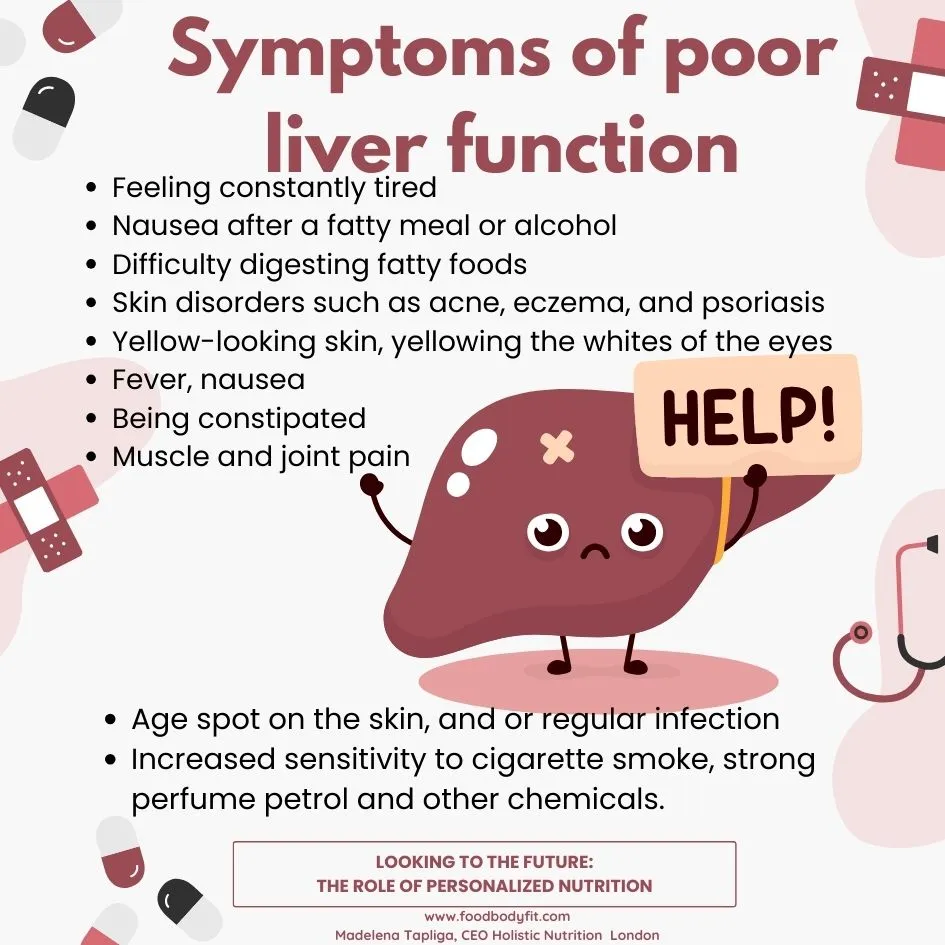
The liver is a vital organ that plays a crucial role in maintaining overall health and well-being. It is responsible for detoxifying the body, metabolizing nutrients, and producing important proteins. Hormones, on the other hand, are chemical messengers that regulate various bodily functions, including metabolism, growth, and reproduction. The relationship between hormones and liver health is intricate and complex, with each influencing the other in a variety of ways. In this article, we will explore the connection between hormones and liver health, and discuss what you need to know to maintain a healthy liver.
Hormones and the Liver
The liver is involved in the metabolism of hormones, including sex hormones (such as estrogen and testosterone) and thyroid hormones. These hormones are synthesized in various tissues throughout the body, and they must be metabolized and excreted by the liver to maintain hormonal balance. If the liver is not functioning properly, it can lead to hormonal imbalances, which can have a wide range of effects on the body.
For example, if the liver is unable to metabolize estrogen effectively, it can lead to an excess of estrogen in the body, a condition known as estrogen dominance. This can contribute to a variety of health issues, including weight gain, mood swings, and an increased risk of certain cancers. Similarly, if the liver is unable to convert thyroid hormones into their active form, it can lead to hypothyroidism, a condition characterized by fatigue, weight gain, and other symptoms.
In addition to metabolizing hormones, the liver also plays a role in regulating insulin levels in the body. Insulin is a hormone that helps regulate blood sugar levels, and the liver is responsible for storing and releasing glucose in response to insulin signals. If the liver is not functioning properly, it can lead to insulin resistance, a condition in which the body’s cells become less responsive to insulin. This can lead to high blood sugar levels, which can contribute to the development of type 2 diabetes.
Furthermore, the liver is involved in the production of certain hormones, such as insulin-like growth factor 1 (IGF-1) and bile acids. IGF-1 is a hormone that plays a role in growth and development, while bile acids are necessary for the digestion and absorption of fats. If the liver is not producing enough of these hormones, it can lead to a variety of health issues, including poor growth and nutrient absorption.
Overall, the relationship between hormones and liver health is complex and multifaceted. A healthy liver is essential for maintaining hormonal balance and overall health, and it is important to take steps to support liver function to ensure optimal hormonal health.
Factors Affecting Hormones and Liver Health
There are several factors that can affect hormones and liver health, including diet, lifestyle, and genetics. Here are some key factors to consider:
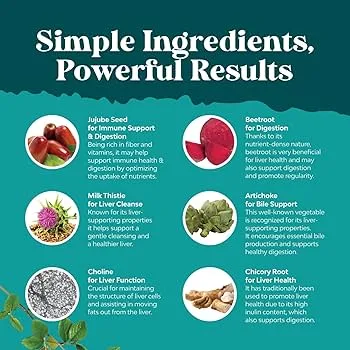
– Diet: A diet high in processed foods, sugar, and unhealthy fats can put strain on the liver and lead to inflammation and damage. On the other hand, a diet rich in fruits, vegetables, whole grains, and lean proteins can support liver health and hormonal balance.
– Alcohol: Excessive alcohol consumption can damage the liver and interfere with its ability to metabolize hormones. It is important to limit alcohol intake to protect liver health and hormonal balance.
– Medications: Certain medications, such as oral contraceptives and steroids, can affect liver function and hormone levels. It is important to discuss any concerns with your healthcare provider and monitor liver function regularly if you are taking medications that may impact liver health.
– Exercise: Regular physical activity can support liver health and hormone balance by promoting healthy metabolism and weight management. Aim for at least 150 minutes of moderate-intensity exercise per week to support liver health and overall well-being.
– Stress: Chronic stress can impact hormone levels and liver function, leading to a variety of health issues. It is important to manage stress through relaxation techniques, mindfulness, and self-care practices to support hormonal balance and liver health.
FAQs
Q: Can hormonal imbalances be reversed through diet and lifestyle changes?
A: In some cases, hormonal imbalances can be improved through diet and lifestyle changes. Eating a balanced diet, exercising regularly, managing stress, and getting enough sleep can all support hormonal balance and liver health. However, it is important to consult with a healthcare provider to determine the underlying cause of hormonal imbalances and develop a personalized treatment plan.
Q: Are there specific foods that can support liver health and hormonal balance?
A: Yes, there are several foods that can support liver health and hormonal balance, including leafy greens, cruciferous vegetables, berries, nuts, seeds, and fatty fish. These foods are rich in antioxidants, vitamins, and minerals that can support liver function and hormone balance. It is important to include a variety of nutrient-dense foods in your diet to support overall health and well-being.
Q: How can I support liver health and hormone balance on a daily basis?
A: To support liver health and hormone balance on a daily basis, it is important to eat a balanced diet, exercise regularly, manage stress, get enough sleep, and avoid excessive alcohol consumption. It is also important to stay hydrated, limit processed foods and sugar, and avoid exposure to toxins and pollutants. Taking care of your overall health and well-being can support liver function and hormonal balance.
Conclusion
The connection between hormones and liver health is complex and multifaceted, with each influencing the other in a variety of ways. The liver plays a crucial role in metabolizing hormones and maintaining hormonal balance, and it is important to take steps to support liver function to ensure optimal hormonal health. By eating a balanced diet, exercising regularly, managing stress, and avoiding excessive alcohol consumption, you can support liver health and hormonal balance. If you have concerns about your liver health or hormone levels, it is important to consult with a healthcare provider to determine the underlying cause and develop a personalized treatment plan. Taking care of your liver and hormones is essential for maintaining overall health and well-being.