
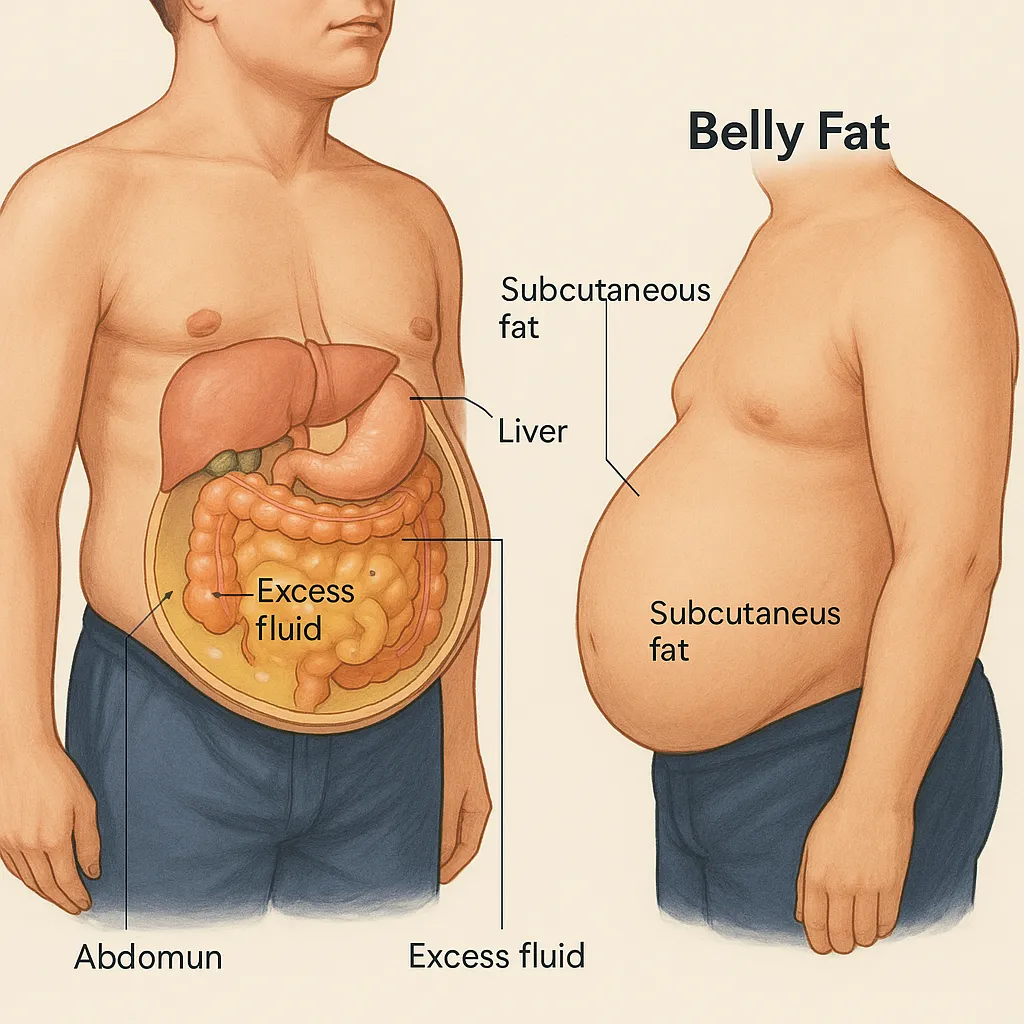
The Dangerous Link Between Belly Fat and Liver Health
Introduction
The human body is a complex system of interconnected organs and tissues that work together to maintain overall health and well-being. One of the key organs in the body is the liver, which plays a vital role in various metabolic processes, including detoxification, digestion, and nutrient storage. However, when excess fat accumulates in the liver, it can lead to a condition known as non-alcoholic fatty liver disease (NAFLD), which can have serious consequences for overall health, particularly when combined with excess belly fat.
In this article, we will explore the dangerous link between belly fat and liver health, and discuss the impact of NAFLD on overall health. We will also provide tips on how to reduce belly fat and improve liver health, as well as answer some frequently asked questions about this topic.
The Link Between Belly Fat and Liver Health
Belly fat, also known as visceral fat, is a type of fat that accumulates around the abdominal organs and is associated with various health risks, including heart disease, diabetes, and stroke. When excess belly fat is combined with excess fat in the liver, it can lead to the development of NAFLD, a condition that affects an estimated 25% of the global population.
NAFLD is characterized by the accumulation of fat in the liver cells, which can lead to inflammation and scarring of the liver tissue. In some cases, NAFLD can progress to more severe forms of liver disease, such as non-alcoholic steatohepatitis (NASH) and cirrhosis, which can increase the risk of liver failure and liver cancer.
The presence of excess belly fat is a key risk factor for the development of NAFLD, as it can lead to increased levels of free fatty acids in the bloodstream, which can accumulate in the liver and contribute to the development of fatty liver disease. In addition, excess belly fat is also associated with insulin resistance, a condition in which the body’s cells become less responsive to insulin, leading to elevated blood sugar levels and increased fat storage in the liver.
Overall, the combination of excess belly fat and liver fat can have serious consequences for liver health, as it can lead to inflammation, oxidative stress, and liver damage, which can increase the risk of developing liver disease and other related health conditions.
Improving Liver Health and Reducing Belly Fat
Fortunately, there are several lifestyle changes that can help reduce belly fat and improve liver health, including:
1. Maintain a healthy diet: Eating a balanced diet that is rich in fruits, vegetables, whole grains, and lean protein can help reduce belly fat and improve liver health. Avoiding processed foods, sugary drinks, and high-fat foods can also help reduce the risk of developing NAFLD.
2. Exercise regularly: Engaging in regular physical activity, such as walking, jogging, or strength training, can help burn excess calories and reduce belly fat. Exercise can also improve insulin sensitivity and reduce inflammation, which can benefit liver health.
3. Limit alcohol consumption: Excessive alcohol consumption can contribute to the development of liver disease, so it is important to limit alcohol intake to reduce the risk of liver damage.
4. Manage stress: Chronic stress can contribute to the accumulation of belly fat and increase the risk of developing liver disease. Practicing stress-reducing activities, such as meditation, yoga, or deep breathing exercises, can help improve liver health and reduce belly fat.
5. Get regular check-ups: Regularly monitoring liver function through blood tests and imaging studies can help detect early signs of liver disease and prevent complications.
Frequently Asked Questions
Q: Can belly fat cause liver disease?
A: Yes, excess belly fat is a key risk factor for the development of NAFLD, a condition that can lead to liver disease and other related health conditions.
Q: How can I reduce belly fat and improve liver health?
A: Maintaining a healthy diet, exercising regularly, limiting alcohol consumption, managing stress, and getting regular check-ups can help reduce belly fat and improve liver health.
Q: Are there any medications that can help treat NAFLD?
A: Currently, there are no specific medications approved for the treatment of NAFLD. However, lifestyle changes, such as diet and exercise, are the mainstays of treatment for this condition.
Q: Can NAFLD be reversed?
A: In some cases, NAFLD can be reversed with lifestyle changes, such as diet and exercise. However, more severe forms of liver disease, such as NASH and cirrhosis, may require more intensive treatment.
Conclusion
The link between belly fat and liver health is a dangerous one, as excess belly fat can contribute to the development of NAFLD, a condition that can have serious consequences for overall health. By making healthy lifestyle choices, such as maintaining a healthy diet, exercising regularly, limiting alcohol consumption, managing stress, and getting regular check-ups, it is possible to reduce belly fat and improve liver health. By taking proactive steps to improve liver health, individuals can reduce the risk of developing liver disease and other related health conditions.
