The Hidden Dangers of Toxins on Your Metabolism
Introduction
In today’s modern world, we are constantly exposed to a wide range of toxins in our environment. These toxins can come from the food we eat, the air we breathe, the products we use, and even the water we drink. While our bodies have natural detoxification processes to eliminate these toxins, sometimes the sheer volume of exposure can overwhelm our systems and lead to a buildup of toxins in our bodies. This can have serious consequences on our health, including our metabolism.
In this article, we will explore the hidden dangers of toxins on your metabolism and how you can protect yourself from their harmful effects.
What are Toxins?
Toxins are substances that are harmful to the body and can disrupt normal physiological processes. They can come from a variety of sources, including:
– Environmental pollutants: such as heavy metals, pesticides, and industrial chemicals.
– Food additives: such as artificial sweeteners, preservatives, and flavor enhancers.
– Personal care products: such as parabens, phthalates, and synthetic fragrances.
– Household cleaning products: such as bleach, ammonia, and VOCs.
– Plastics: such as BPA, PVC, and phthalates.
These toxins can enter our bodies through various pathways, including ingestion, inhalation, and skin contact. Once inside the body, they can accumulate in tissues and organs, leading to a range of health problems.
The Impact of Toxins on Your Metabolism
Toxins can have a significant impact on your metabolism, which is the process by which your body converts food into energy. Here are some ways in which toxins can disrupt your metabolism:
1. Impaired detoxification pathways: Toxins can overwhelm your body’s natural detoxification processes, leading to a buildup of toxins in your body. This can impair the function of your liver, kidneys, and other organs involved in detoxification, leading to a sluggish metabolism.
2. Disruption of hormone balance: Toxins can interfere with the production and function of hormones, such as insulin, thyroid hormones, and cortisol, which play a key role in regulating metabolism. This can lead to metabolic disorders, such as diabetes, hypothyroidism, and adrenal fatigue.
3. Inflammation: Toxins can trigger inflammation in the body, which can disrupt metabolic processes and lead to insulin resistance, obesity, and other metabolic disorders.
4. Oxidative stress: Toxins can generate free radicals in the body, which can damage cells and tissues, including those involved in metabolism. This can impair the body’s ability to produce energy efficiently and lead to metabolic dysfunction.
5. Impaired nutrient absorption: Toxins can disrupt the absorption of essential nutrients, such as vitamins, minerals, and antioxidants, which are important for supporting metabolic processes. This can lead to nutrient deficiencies and metabolic imbalances.
Overall, the cumulative effect of toxins on your metabolism can lead to a range of health problems, including weight gain, fatigue, digestive issues, hormonal imbalances, and chronic diseases.
How to Protect Yourself from Toxins
While it may be impossible to completely avoid toxins in the modern world, there are steps you can take to minimize your exposure and protect yourself from their harmful effects:
1. Eat a clean, organic diet: Choose organic fruits and vegetables, grass-fed meats, wild-caught fish, and whole grains to minimize exposure to pesticides, hormones, and antibiotics in conventional foods.
2. Drink filtered water: Use a high-quality water filter to remove contaminants such as chlorine, heavy metals, and pharmaceuticals from your drinking water.
3. Use natural personal care products: Avoid products containing toxic ingredients, such as parabens, phthalates, and synthetic fragrances, and opt for natural alternatives instead.
4. Choose non-toxic household cleaning products: Use eco-friendly cleaning products that are free of harsh chemicals, such as bleach, ammonia, and VOCs, to reduce indoor air pollution.
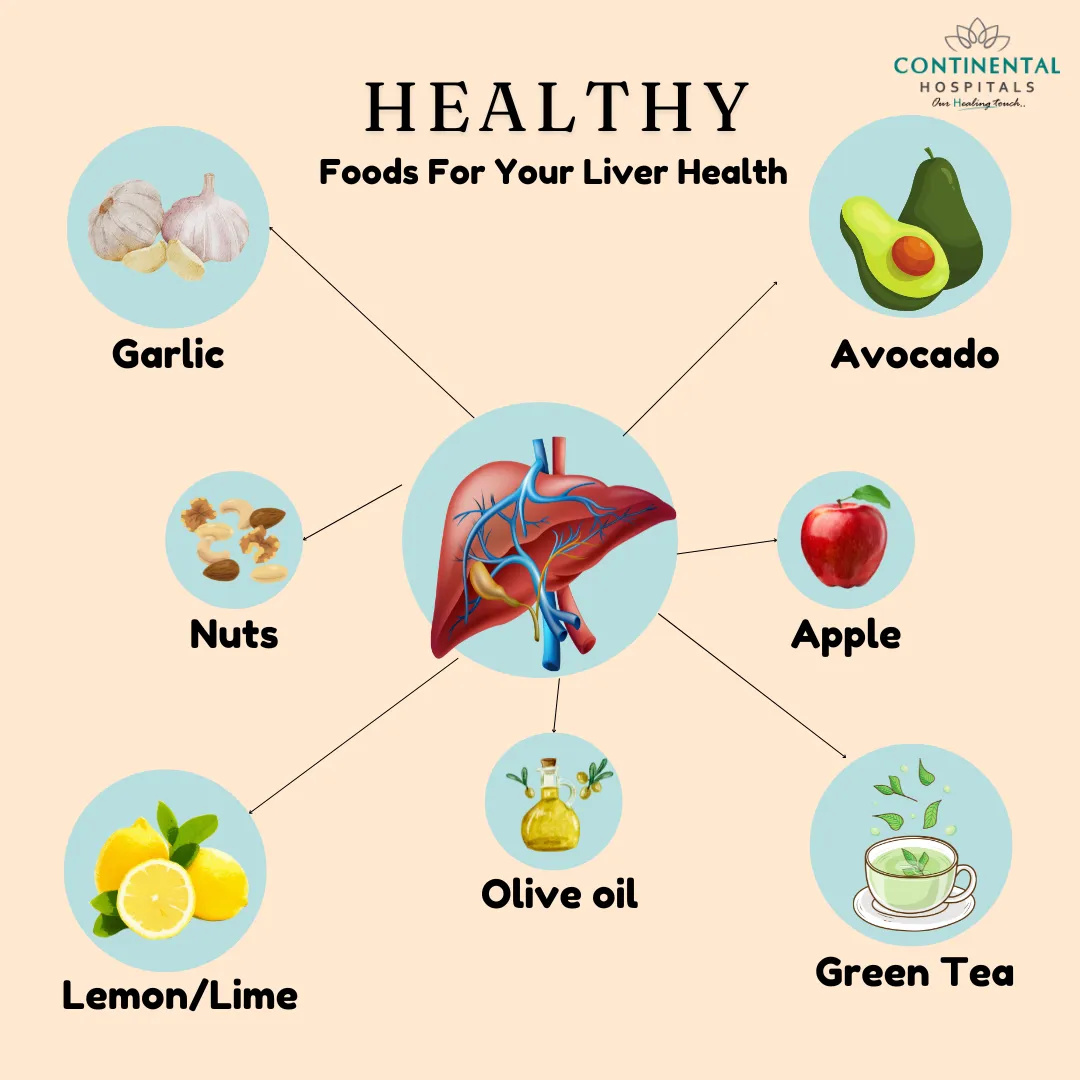
5. Detox regularly: Support your body’s natural detoxification processes by incorporating detoxifying foods, such as leafy greens, cruciferous vegetables, and herbs, into your diet, and consider doing a periodic detox cleanse.
6. Manage stress: Chronic stress can weaken your immune system and make you more susceptible to the harmful effects of toxins. Practice stress-reducing techniques, such as meditation, yoga, and deep breathing, to support your overall health.
7. Get regular exercise: Physical activity can help support detoxification processes, reduce inflammation, and improve metabolic function. Aim for at least 30 minutes of moderate exercise most days of the week.
FAQs
Q: Are all toxins harmful to the body?
A: Not all toxins are harmful in small doses, as the body has natural detoxification processes to eliminate them. However, chronic exposure to high levels of toxins can overwhelm these processes and lead to health problems.
Q: Can detox diets help remove toxins from the body?
A: While detox diets can be beneficial in supporting the body’s natural detoxification processes, they are not a cure-all for toxin exposure. It’s important to focus on long-term lifestyle changes to minimize toxin exposure and support overall health.
Q: How can I know if I have a toxin overload in my body?
A: Symptoms of toxin overload can vary from person to person and may include fatigue, digestive issues, skin problems, hormonal imbalances, and chronic diseases. Consult with a healthcare professional for proper testing and evaluation.
Q: Are there any supplements that can help support detoxification?
A: Certain supplements, such as milk thistle, N-acetylcysteine, and glutathione, can support liver detoxification processes and help protect against the harmful effects of toxins. Consult with a healthcare professional before starting any new supplements.
Conclusion
In conclusion, toxins can have a significant impact on your metabolism and overall health. By taking steps to minimize your exposure to toxins and support your body’s natural detoxification processes, you can protect yourself from their harmful effects and promote optimal metabolic function. Remember to eat a clean, organic diet, drink filtered water, use natural personal care products, choose non-toxic household cleaning products, detox regularly, manage stress, and get regular exercise to support your body’s detoxification and metabolic processes. By making these lifestyle changes, you can safeguard your health and well-being in the face of a toxic world.