The Impact of Oxidative Stress on Liver Health: What You Need to Know
Introduction
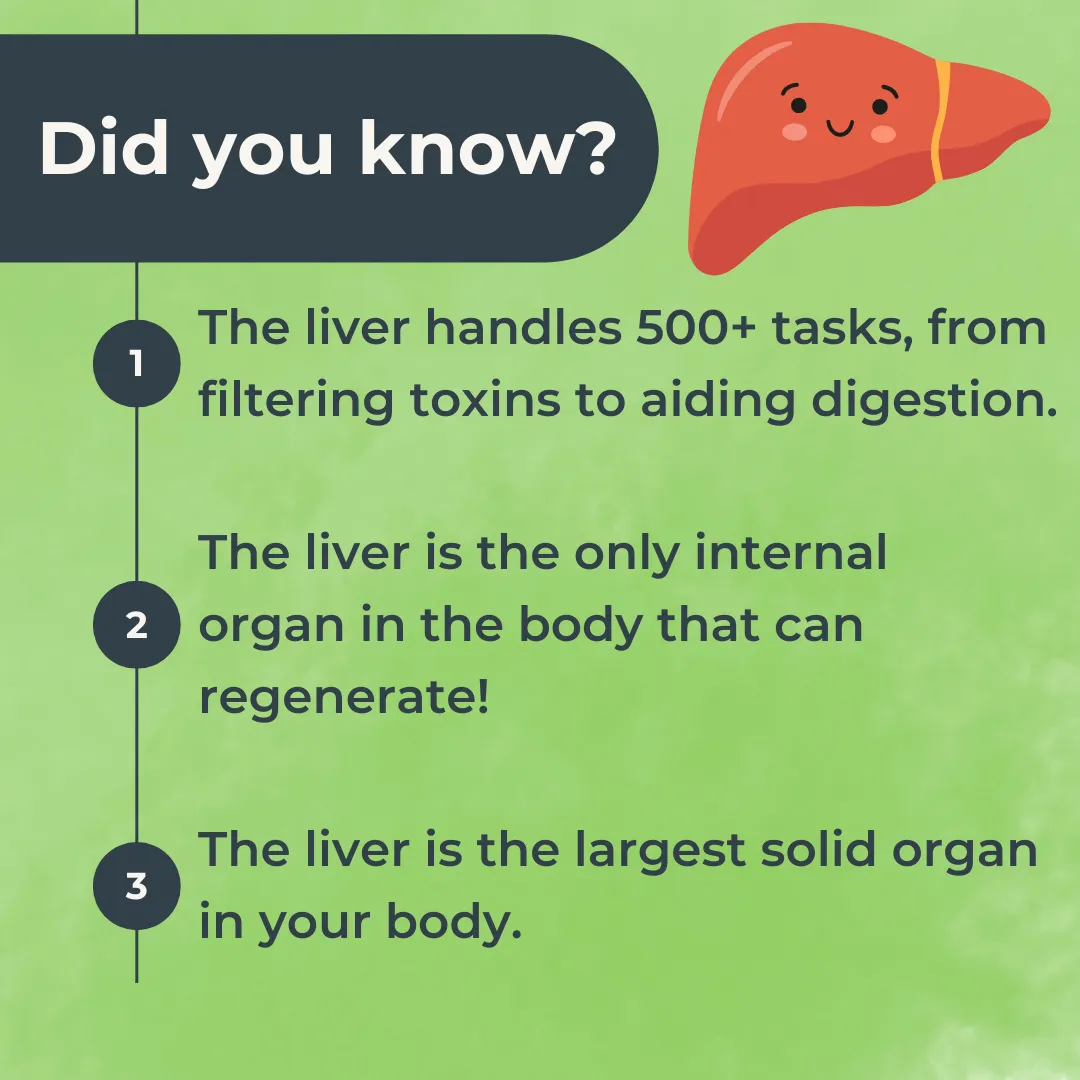
The liver is one of the most vital organs in the human body, responsible for performing a wide range of functions that are essential for maintaining overall health. These functions include filtering toxins from the blood, producing bile to aid in digestion, storing energy in the form of glycogen, and metabolizing drugs and other substances. Given the liver’s crucial role in maintaining homeostasis, it is important to understand the various factors that can impact its health, including oxidative stress.
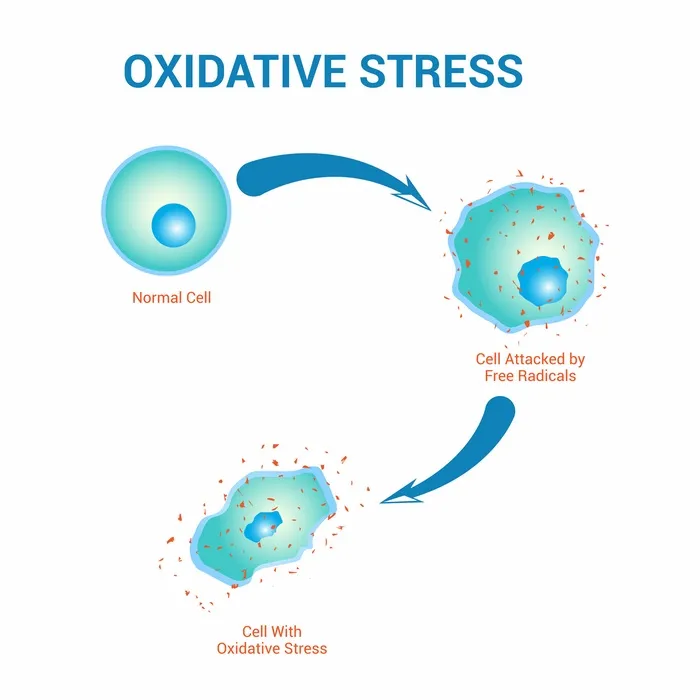
Oxidative stress occurs when there is an imbalance between the production of reactive oxygen species (ROS) and the body’s ability to detoxify them or repair the resulting damage. ROS are highly reactive molecules that can cause damage to proteins, lipids, and DNA within cells, leading to a range of health problems. In the liver, oxidative stress has been linked to the development of various liver diseases, including non-alcoholic fatty liver disease (NAFLD), alcoholic liver disease, hepatitis, and liver cancer.
In this article, we will explore the impact of oxidative stress on liver health, including its role in the development of liver diseases, the factors that contribute to oxidative stress in the liver, and strategies for reducing oxidative stress to promote liver health.
The Role of Oxidative Stress in Liver Diseases
Oxidative stress plays a significant role in the development of liver diseases by causing damage to liver cells and impairing their function. In the case of NAFLD, oxidative stress has been shown to contribute to the accumulation of fat in the liver, leading to inflammation and the progression of the disease to more severe forms, such as non-alcoholic steatohepatitis (NASH) and cirrhosis.
In alcoholic liver disease, chronic alcohol consumption can lead to increased production of ROS, which can overwhelm the liver’s antioxidant defenses and cause damage to liver cells. This damage can lead to inflammation, fibrosis, and eventually cirrhosis, a condition in which healthy liver tissue is replaced by scar tissue.
Oxidative stress has also been implicated in the development of viral hepatitis, a condition in which the liver becomes inflamed due to infection with hepatitis viruses. Infection with hepatitis B or C viruses can lead to the production of ROS in the liver, which can damage liver cells and contribute to the progression of the disease to chronic hepatitis, liver cirrhosis, and liver cancer.
In addition to its role in liver diseases, oxidative stress has also been linked to the development of liver cancer. ROS can cause DNA damage within liver cells, leading to mutations that can promote the growth of cancerous cells. In fact, oxidative stress is thought to play a role in the initiation and progression of liver cancer, making it an important target for preventive and therapeutic strategies.
Factors Contributing to Oxidative Stress in the Liver
There are several factors that can contribute to oxidative stress in the liver, including:
1. Alcohol consumption: Chronic alcohol consumption is a major risk factor for oxidative stress in the liver. Alcohol can increase the production of ROS in the liver, while also impairing the liver’s antioxidant defenses, leading to oxidative damage to liver cells.
2. Obesity: Obesity is another risk factor for oxidative stress in the liver, as excess fat accumulation can lead to inflammation and the production of ROS. In the case of NAFLD, oxidative stress is thought to play a key role in the progression of the disease from simple steatosis to more severe forms, such as NASH and cirrhosis.
3. Viral hepatitis: Infection with hepatitis viruses, such as hepatitis B or C, can lead to oxidative stress in the liver. The viruses can induce the production of ROS within liver cells, leading to oxidative damage and inflammation.
4. Environmental toxins: Exposure to environmental toxins, such as heavy metals, pesticides, and pollutants, can also contribute to oxidative stress in the liver. These toxins can increase the production of ROS in the liver, while also impairing the liver’s antioxidant defenses.
5. Poor diet: A diet high in processed foods, sugar, and unhealthy fats can contribute to oxidative stress in the liver. These foods can increase inflammation and the production of ROS, while also providing few antioxidants to counteract their damaging effects.
Strategies for Reducing Oxidative Stress in the Liver
There are several strategies that can help reduce oxidative stress in the liver and promote overall liver health. These include:
1. Antioxidant-rich diet: Consuming a diet rich in antioxidants can help protect the liver from oxidative stress. Antioxidants are compounds that can neutralize ROS and prevent damage to liver cells. Foods high in antioxidants include fruits, vegetables, nuts, seeds, and whole grains.
2. Limiting alcohol consumption: Limiting alcohol consumption can help reduce oxidative stress in the liver and prevent damage to liver cells. For those who choose to drink alcohol, it is important to do so in moderation and to avoid binge drinking.
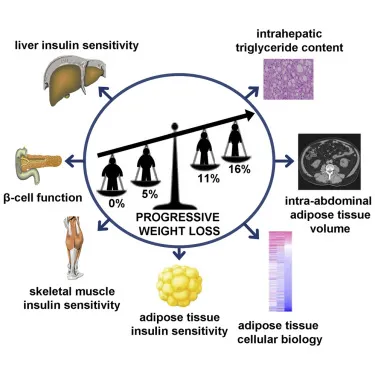
3. Weight management: Maintaining a healthy weight can help reduce oxidative stress in the liver and lower the risk of developing NAFLD. Losing weight through a combination of diet and exercise can help improve liver health and reduce inflammation in the liver.
4. Exercise: Regular exercise can help reduce oxidative stress in the liver by increasing the body’s antioxidant defenses. Exercise has been shown to lower inflammation in the liver and improve liver function in individuals with liver diseases.
5. Avoiding environmental toxins: Limiting exposure to environmental toxins can help reduce oxidative stress in the liver. This includes avoiding exposure to heavy metals, pesticides, and pollutants, as well as using natural cleaning products and personal care products.
6. Managing viral hepatitis: For individuals with viral hepatitis, it is important to work with a healthcare provider to manage the infection and reduce oxidative stress in the liver. This may involve antiviral medications, lifestyle changes, and regular monitoring of liver function.
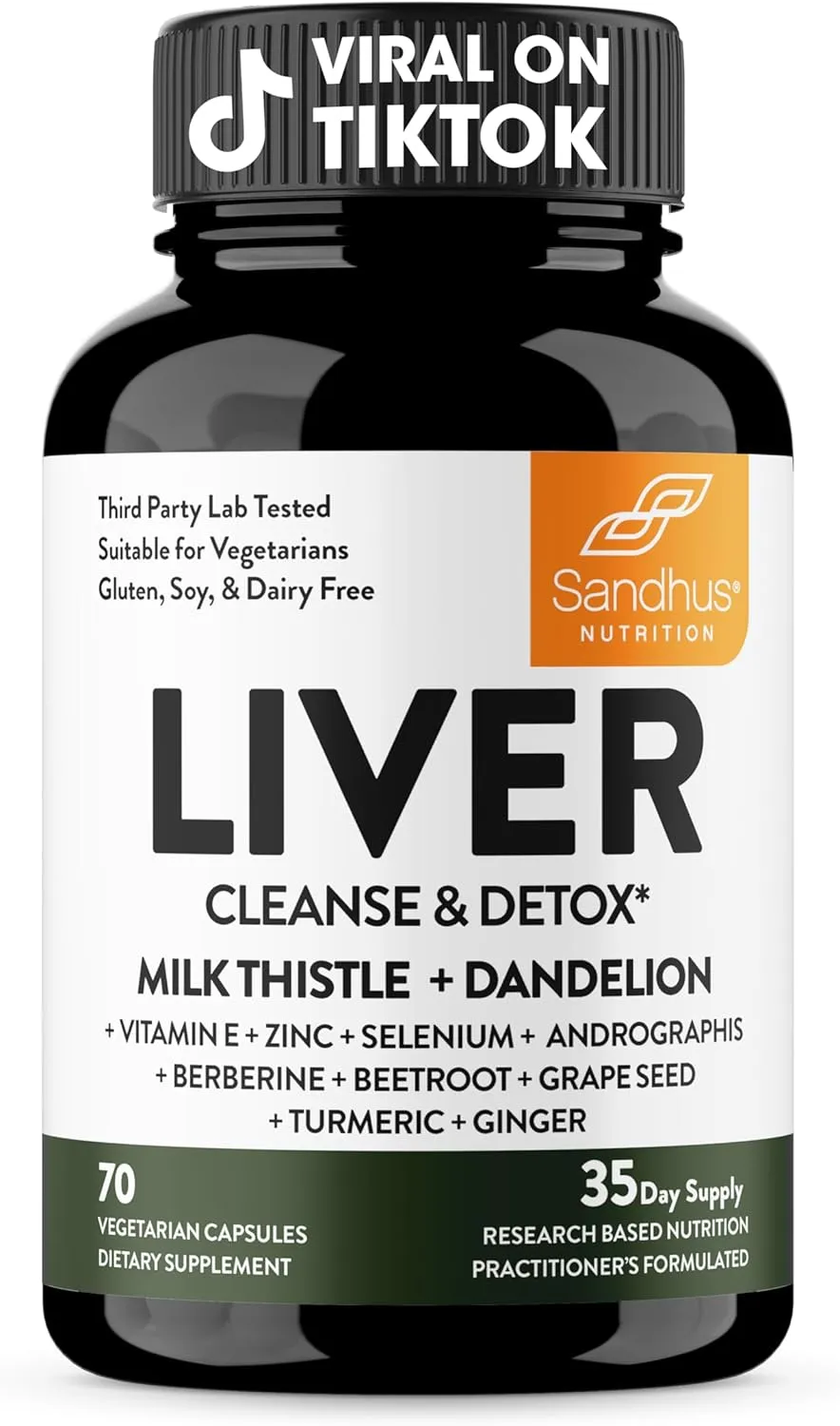
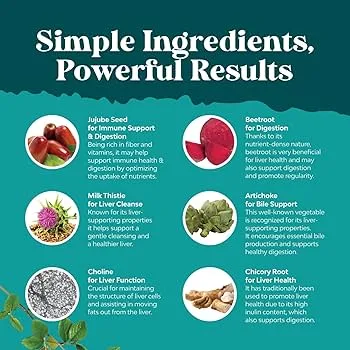
7. Supplementing with antioxidants: In some cases, supplementation with antioxidants may be beneficial for reducing oxidative stress in the liver. This can include taking vitamins such as vitamin C, vitamin E, and selenium, as well as herbal supplements like milk thistle and turmeric.
FAQs
1. What are the symptoms of liver disease caused by oxidative stress?
Common symptoms of liver disease caused by oxidative stress include fatigue, abdominal pain, jaundice (yellowing of the skin and eyes), swelling of the abdomen, and easy bruising or bleeding. However, many individuals with liver disease may not experience any symptoms until the disease has progressed to a more advanced stage.
2. Can oxidative stress in the liver be reversed?
While oxidative stress in the liver can cause damage to liver cells, it is possible to reverse this damage through lifestyle changes and targeted interventions. By reducing oxidative stress through strategies such as a healthy diet, exercise, and weight management, it is possible to improve liver health and prevent further damage.
3. Are there any natural remedies that can help reduce oxidative stress in the liver?
Several natural remedies have been shown to help reduce oxidative stress in the liver, including milk thistle, turmeric, green tea, and resveratrol. These remedies have antioxidant properties that can help protect liver cells from damage and promote overall liver health.
4. How can I prevent oxidative stress in the liver?
Preventing oxidative stress in the liver involves adopting a healthy lifestyle that includes a balanced diet, regular exercise, limited alcohol consumption, and avoidance of environmental toxins. By taking steps to reduce oxidative stress, you can protect your liver from damage and promote optimal liver health.
Conclusion
Oxidative stress plays a significant role in the development of liver diseases, including NAFLD, alcoholic liver disease, hepatitis, and liver cancer. By understanding the impact of oxidative stress on liver health and taking steps to reduce oxidative stress through lifestyle changes, dietary interventions, and targeted therapies, it is possible to improve liver function and prevent the progression of liver diseases. By prioritizing liver health and addressing oxidative stress, individuals can support the health and function of this vital organ, leading to improved overall health and well-being.