The liver is one of the most vital organs in the human body, responsible for a wide range of functions that are essential for our health and well-being. From helping to metabolize nutrients and detoxify harmful substances to producing bile for digestion, the liver plays a crucial role in keeping our bodies functioning properly. However, poor diet and lifestyle choices can put a strain on the liver and lead to a host of health problems. In this article, we will explore the importance of maintaining a liver-friendly diet and provide tips on how to keep your liver happy and healthy.
What is a Liver-Friendly Diet?
A liver-friendly diet is one that is low in processed foods, saturated fats, and added sugars, and high in nutrients that support liver health. This includes foods that are rich in antioxidants, vitamins, and minerals, as well as those that are high in fiber and low in sodium. By eating a diet that is balanced and varied, you can help to protect your liver from damage and promote optimal liver function.
Foods to Include in a Liver-Friendly Diet
There are several foods that are particularly beneficial for liver health. These include:
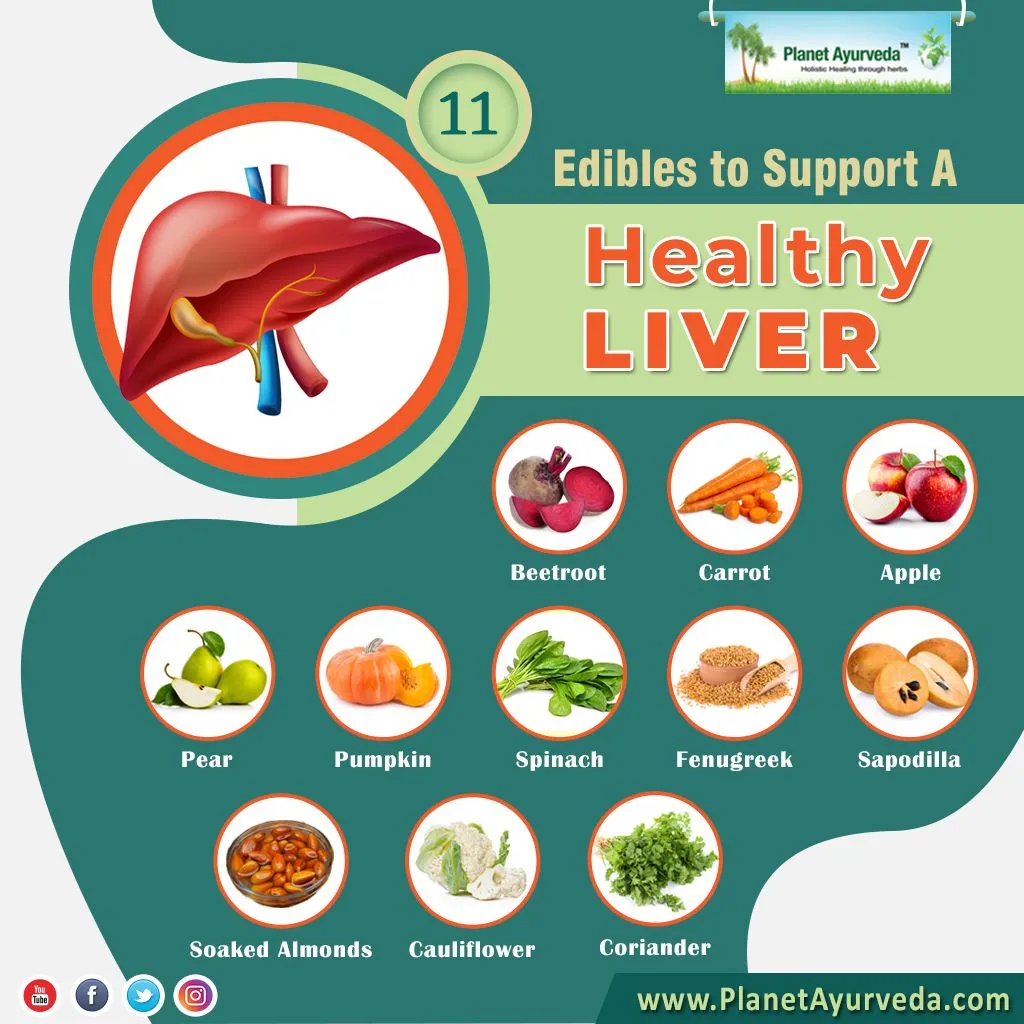
1. Fruits and vegetables: Fruits and vegetables are rich in antioxidants, vitamins, and minerals that help to protect the liver from damage and promote detoxification. Aim to include a variety of colorful fruits and vegetables in your diet each day.
2. Whole grains: Whole grains, such as brown rice, quinoa, and whole wheat bread, are high in fiber and help to support healthy digestion and liver function.
3. Lean proteins: Lean proteins, such as chicken, fish, and tofu, are important for liver health as they provide essential amino acids that are needed for liver function.
4. Healthy fats: Healthy fats, such as those found in olive oil, avocados, and nuts, are important for liver health as they help to support cell membranes and aid in the absorption of fat-soluble vitamins.
5. Green tea: Green tea is rich in antioxidants that help to protect the liver from damage and promote detoxification.
Foods to Avoid in a Liver-Friendly Diet
There are also several foods that are best avoided or limited in a liver-friendly diet. These include:
1. Processed foods: Processed foods are often high in unhealthy fats, added sugars, and sodium, all of which can put a strain on the liver and lead to inflammation and damage.
2. Saturated fats: Saturated fats, found in foods like red meat and full-fat dairy products, can contribute to liver damage and should be limited in a liver-friendly diet.
3. Added sugars: Added sugars, found in sugary drinks, baked goods, and processed foods, can lead to fatty liver disease and should be limited in a liver-friendly diet.
4. Alcohol: Excessive alcohol consumption can cause liver damage and should be avoided or limited in a liver-friendly diet.
Tips for Maintaining a Liver-Friendly Diet
In addition to including liver-friendly foods in your diet, there are several other steps you can take to support liver health. These include:
1. Stay hydrated: Drinking plenty of water helps to flush toxins from the liver and support optimal liver function.
2. Limit alcohol consumption: If you choose to drink alcohol, do so in moderation and be mindful of the impact it can have on your liver.
3. Exercise regularly: Regular exercise helps to support liver health by promoting blood flow and aiding in the detoxification process.
4. Maintain a healthy weight: Being overweight or obese can put a strain on the liver and increase the risk of liver disease. Aim to maintain a healthy weight through a balanced diet and regular exercise.
5. Avoid smoking: Smoking can contribute to liver damage and should be avoided to support liver health.
FAQs
Q: Can I still enjoy a treat occasionally on a liver-friendly diet?
A: Yes, it’s okay to enjoy a treat occasionally on a liver-friendly diet. Just be mindful of portion sizes and frequency, and try to balance out indulgences with healthy choices the rest of the time.
Q: Are there any supplements that can support liver health?
A: While a balanced diet is the best way to support liver health, there are some supplements that may be beneficial. Milk thistle, turmeric, and vitamin E are all thought to have liver-protective properties.
Q: How long does it take to see improvements in liver health from a liver-friendly diet?
A: Everyone is different, but you may start to see improvements in liver health within a few weeks of adopting a liver-friendly diet. Consistency is key, so stick with it for the best results.
In conclusion, maintaining a liver-friendly diet is essential for supporting optimal liver function and protecting against liver disease. By including a variety of nutrient-rich foods in your diet, staying hydrated, limiting alcohol consumption, and engaging in regular exercise, you can keep your liver happy and healthy for years to come. Remember to consult with a healthcare provider before making any significant changes to your diet or lifestyle, especially if you have a pre-existing liver condition.
