The liver is an essential organ in the body that plays a crucial role in weight loss and fat burning. It is responsible for numerous metabolic processes that are involved in breaking down fats, carbohydrates, and proteins, as well as detoxifying harmful substances from the body. Understanding the liver’s connection to weight loss can help individuals make informed decisions about their health and well-being.
The liver is the largest internal organ in the body and is located in the upper right side of the abdomen, just below the diaphragm. It performs over 500 different functions, including regulating blood sugar levels, producing bile for digestion, storing vitamins and minerals, and processing fats for energy.
One of the liver’s key functions related to weight loss is its role in metabolizing fats. When the body consumes more calories than it needs for energy, the excess calories are converted into triglycerides and stored in fat cells. The liver plays a crucial role in breaking down these triglycerides into fatty acids and glycerol, which can then be used for energy production.
The liver also plays a vital role in regulating blood sugar levels, which can impact weight loss. When blood sugar levels are too high, the body releases insulin to help cells absorb glucose for energy. However, if blood sugar levels remain elevated for an extended period, the body may become insulin resistant, leading to weight gain and an increased risk of developing type 2 diabetes.
Additionally, the liver plays a critical role in detoxifying harmful substances from the body. It filters toxins from the blood and converts them into less harmful substances that can be excreted through urine or bile. A healthy liver is essential for proper detoxification, as a sluggish liver can lead to the buildup of toxins in the body, which can interfere with weight loss efforts.
The liver’s connection to weight loss goes beyond just its metabolic functions. Research has shown that individuals with fatty liver disease, a condition characterized by the buildup of fat in the liver, are more likely to be overweight or obese. Fatty liver disease is often associated with insulin resistance and inflammation, both of which can hinder weight loss efforts.
In addition to its impact on fat metabolism and blood sugar regulation, the liver also plays a role in hormone production. Hormones such as leptin and ghrelin, which regulate appetite and energy balance, are produced in the liver. Imbalances in these hormones can lead to increased hunger and cravings, making it more challenging to lose weight.
Understanding the liver’s connection to weight loss is essential for anyone looking to improve their health and well-being. By supporting liver health through proper nutrition, exercise, and lifestyle choices, individuals can enhance their body’s ability to burn fat and achieve their weight loss goals.
FAQs:
Q: How can I support my liver health for weight loss?
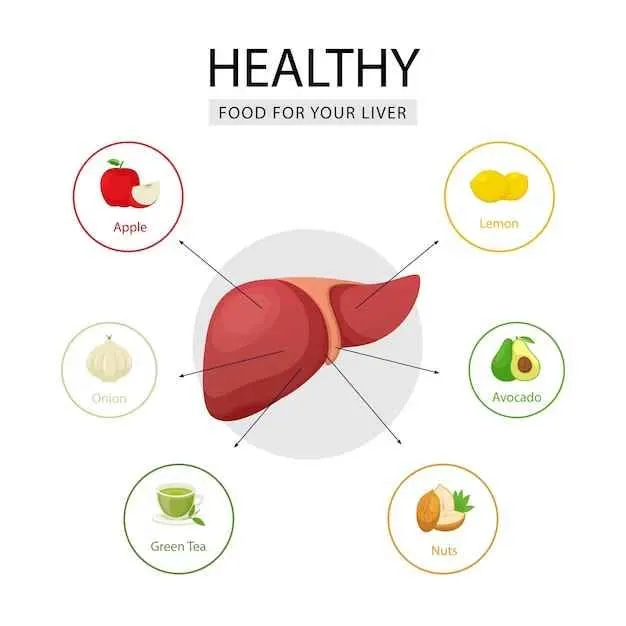
A: To support liver health for weight loss, focus on eating a balanced diet rich in fruits, vegetables, whole grains, and lean proteins. Avoid processed foods, sugary beverages, and excessive alcohol consumption, as these can strain the liver and hinder its ability to function properly. Additionally, staying hydrated, getting regular exercise, and managing stress can all help support liver health.
Q: Can liver detoxes or cleanses help with weight loss?
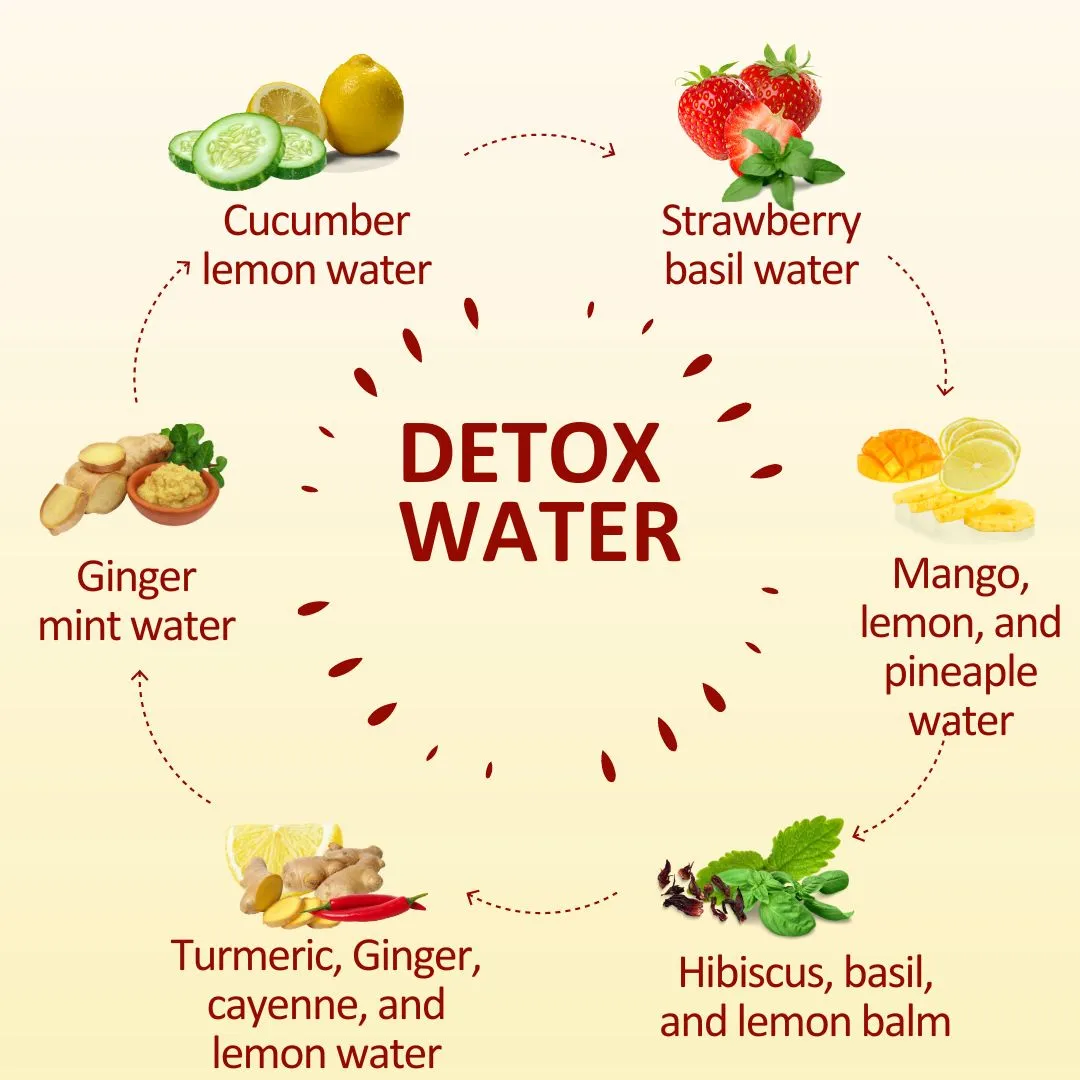
A: While liver detoxes or cleanses may be marketed as a way to promote weight loss, there is little scientific evidence to support their effectiveness. The liver is already designed to detoxify the body naturally, and extreme detoxes or cleanses can actually do more harm than good. Instead, focus on making sustainable lifestyle changes that support overall liver health.
Q: How does alcohol consumption impact the liver’s ability to burn fat?
A: Alcohol is processed by the liver, and excessive alcohol consumption can interfere with the liver’s ability to metabolize fats. When the liver is busy processing alcohol, it may prioritize this task over other metabolic functions, such as fat burning. Additionally, alcohol can contribute to the buildup of fat in the liver, leading to fatty liver disease and weight gain.
Q: Are there any specific foods or supplements that can support liver health for weight loss?
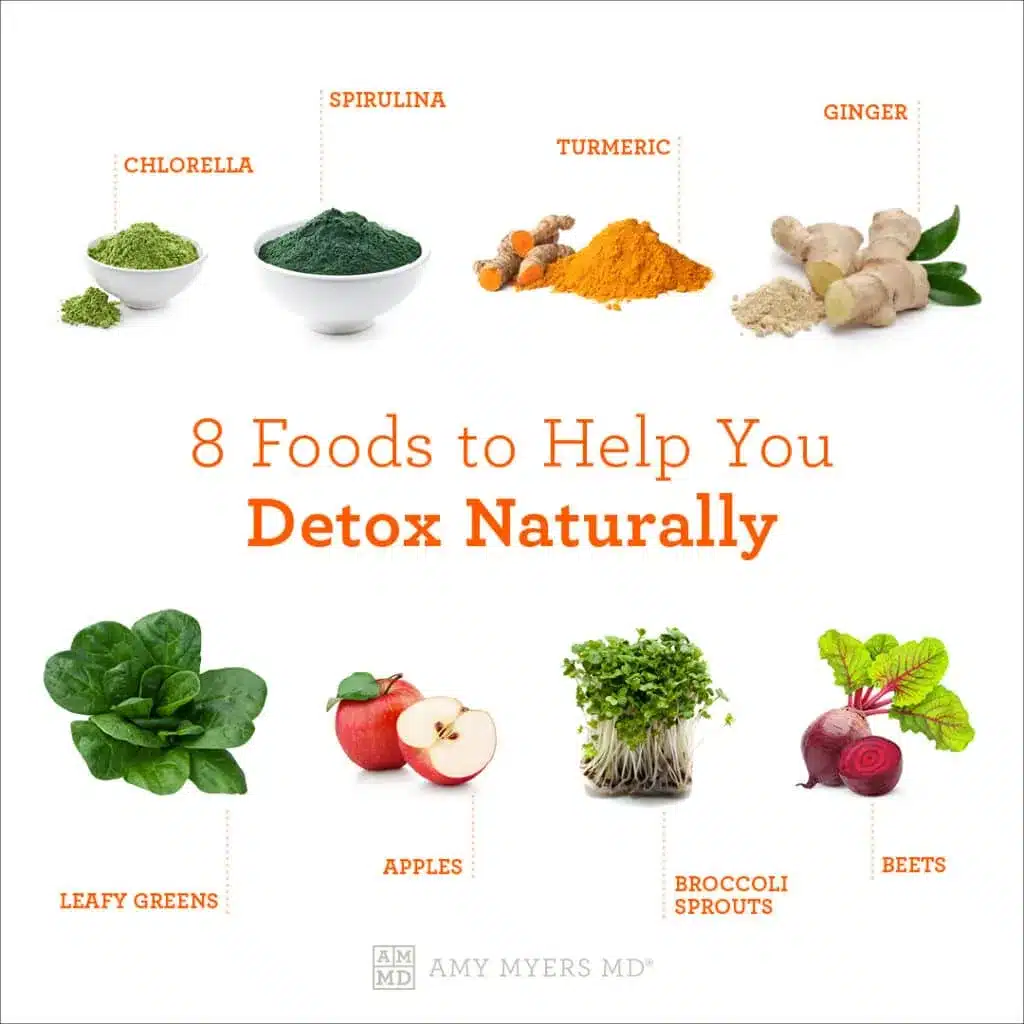
A: Certain foods and supplements may support liver health and weight loss, such as leafy greens, cruciferous vegetables, turmeric, milk thistle, and omega-3 fatty acids. These foods and supplements contain antioxidants and anti-inflammatory compounds that can help protect the liver from damage and support its detoxification processes. However, it is essential to consult with a healthcare provider before adding any new foods or supplements to your diet.