The liver is a vital organ responsible for a wide range of functions in the body, including fat metabolism. Fat metabolism is the process by which the body breaks down fats and converts them into energy. The liver plays a crucial role in this process by producing bile, storing and releasing glucose, and synthesizing important enzymes and proteins that are involved in fat metabolism.
In this article, we will explore the liver’s role in fat metabolism and provide valuable information on what you need to know about this essential function of the body.
The Liver’s Role in Fat Metabolism
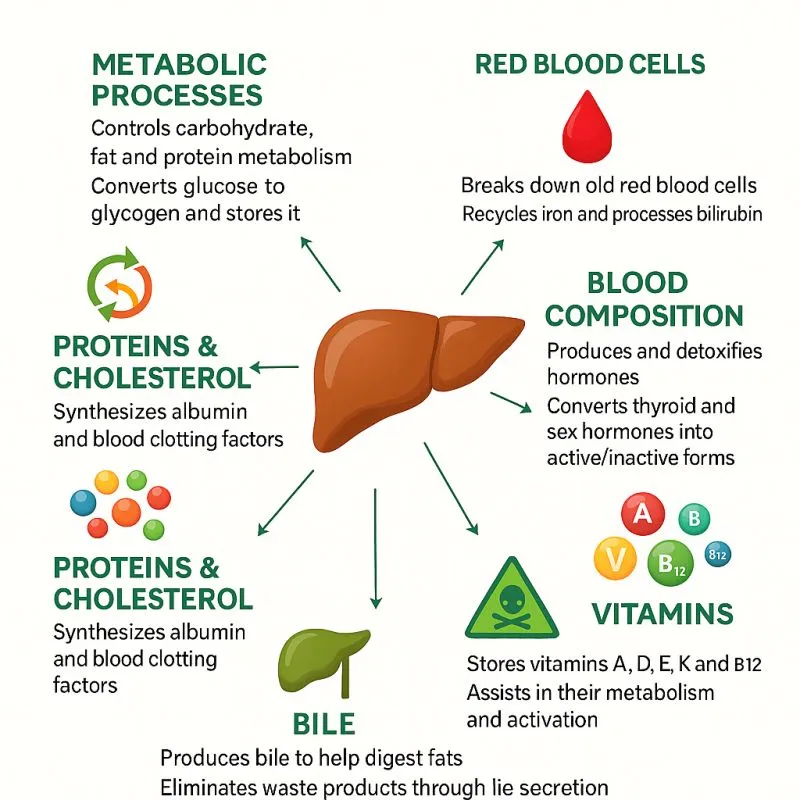
1. Bile Production: The liver produces bile, a substance that helps emulsify fats in the digestive system. Bile is stored in the gallbladder and released into the small intestine when needed to aid in the digestion and absorption of fats. Without bile, fats cannot be properly broken down and absorbed by the body.
2. Glucose Storage and Release: The liver plays a key role in maintaining blood sugar levels by storing excess glucose as glycogen and releasing it when the body needs energy. When blood sugar levels drop, the liver breaks down glycogen into glucose and releases it into the bloodstream to fuel the body’s cells and tissues.
3. Lipid Synthesis: The liver is also involved in the synthesis of lipids, including cholesterol and triglycerides. These lipids are essential for various functions in the body, such as cell membrane structure, hormone production, and energy storage. The liver produces lipoproteins that transport fats throughout the body and regulate their distribution and utilization.
4. Fat Breakdown: The liver plays a crucial role in breaking down fats into fatty acids and glycerol, which can be used as a source of energy by the body. This process, known as lipolysis, is essential for maintaining energy balance and preventing the buildup of excess fat in the body.
5. Enzyme Production: The liver synthesizes enzymes that are involved in fat metabolism, such as lipase, which breaks down fats into smaller molecules that can be absorbed by the body. These enzymes help facilitate the digestion and absorption of fats in the digestive system.
6. Detoxification: The liver is responsible for detoxifying harmful substances in the body, including excess fats and cholesterol. It metabolizes these substances and converts them into less toxic forms that can be eliminated from the body through bile or urine.
What You Need to Know
1. Healthy Liver Function: Maintaining a healthy liver is essential for proper fat metabolism and overall well-being. To support liver health, it is important to follow a balanced diet rich in fruits, vegetables, whole grains, lean proteins, and healthy fats. Avoiding excessive alcohol consumption, smoking, and exposure to toxins can also help protect the liver from damage.
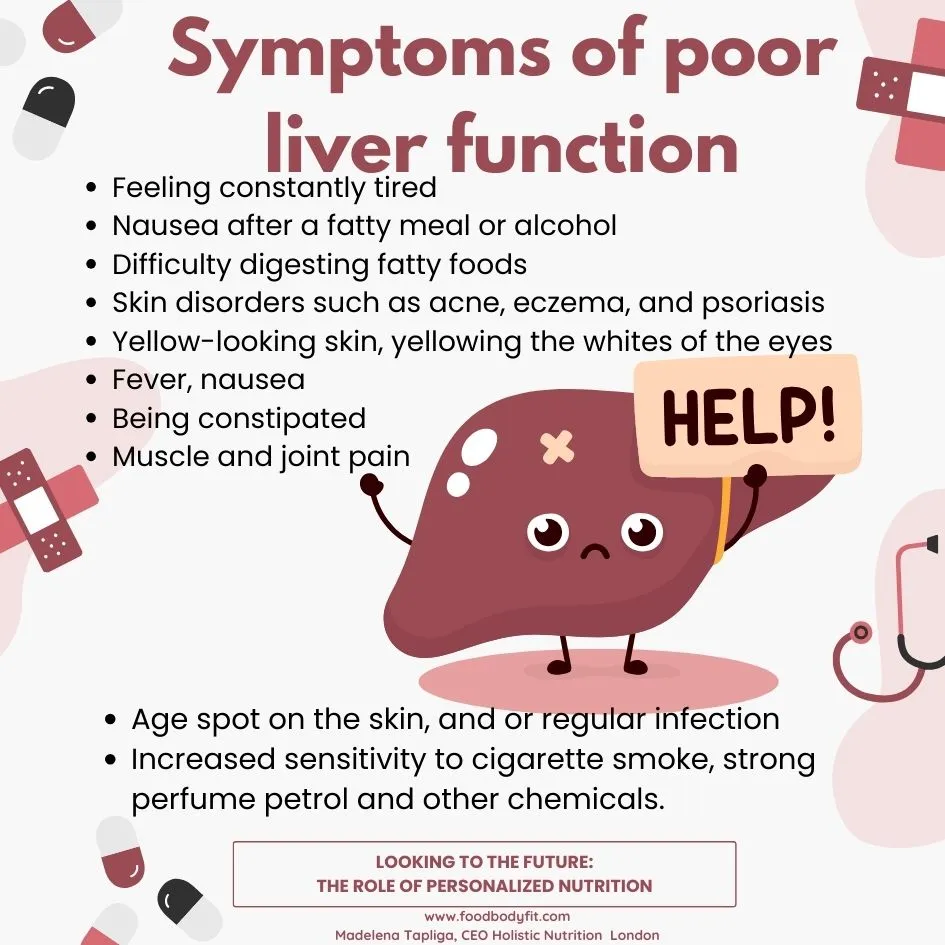
2. Liver Disease: Liver diseases, such as fatty liver disease, hepatitis, and cirrhosis, can impair the liver’s ability to metabolize fats and perform its other functions. These conditions can lead to serious complications, including liver failure, if left untreated. It is essential to seek medical attention if you experience symptoms of liver disease, such as jaundice, abdominal pain, fatigue, and nausea.
3. Weight Management: Maintaining a healthy weight is crucial for proper fat metabolism and liver function. Excess body fat can put strain on the liver and increase the risk of developing fatty liver disease and other metabolic disorders. Following a balanced diet, exercising regularly, and managing stress can help prevent weight gain and support optimal liver health.
4. Medications and Supplements: Some medications and supplements can affect liver function and fat metabolism. It is important to consult with a healthcare provider before taking any new medications or supplements, especially if you have a history of liver disease or other medical conditions. Some medications may need to be adjusted or avoided to prevent liver damage.
5. Liver Health Screening: Regular liver health screenings, such as blood tests and imaging studies, can help detect early signs of liver disease and monitor liver function over time. If you have risk factors for liver disease, such as obesity, diabetes, or a family history of liver disease, it is important to discuss screening options with your healthcare provider.
FAQs
1. Can the liver regenerate damaged tissue?
Yes, the liver has the ability to regenerate damaged tissue and restore its function over time. However, severe liver damage, such as cirrhosis, may impair the liver’s regenerative capacity and lead to irreversible scarring and dysfunction.
2. How can I support liver health?
To support liver health, it is important to follow a healthy lifestyle that includes a balanced diet, regular exercise, adequate hydration, and avoiding excessive alcohol consumption and exposure to toxins. Maintaining a healthy weight, managing stress, and getting regular liver health screenings can also help protect the liver from damage.
3. What are the symptoms of liver disease?
Symptoms of liver disease can vary depending on the underlying cause and severity of the condition. Common symptoms may include jaundice (yellowing of the skin and eyes), abdominal pain, fatigue, nausea, vomiting, dark urine, and pale stools. If you experience any of these symptoms, it is important to seek medical attention for a proper diagnosis and treatment.
4. Can liver disease be prevented?
While some liver diseases, such as genetic disorders, cannot be prevented, many liver diseases can be prevented or managed through lifestyle modifications and early detection. Following a healthy diet, maintaining a healthy weight, avoiding excessive alcohol consumption, and getting regular liver health screenings can help reduce the risk of developing liver disease.
5. How does alcohol affect the liver?
Excessive alcohol consumption can damage the liver and impair its ability to metabolize fats and perform other functions. Chronic alcohol abuse can lead to fatty liver disease, alcoholic hepatitis, and cirrhosis, which can have serious consequences for overall health. It is important to limit alcohol intake and seek help if you have a problem with alcohol abuse.
In conclusion, the liver plays a crucial role in fat metabolism and overall health. By understanding the liver’s functions and how to support its health, you can optimize fat metabolism, prevent liver disease, and promote overall well-being. If you have concerns about your liver health or are experiencing symptoms of liver disease, it is important to seek medical attention for a proper diagnosis and treatment. Remember, a healthy liver is essential for a healthy body.