
The Role of Sleep in Supporting Your Liver’s Healing Process
Introduction
The liver is one of the most important organs in the human body, as it plays a crucial role in detoxification, metabolism, and overall health. However, liver health can be compromised due to various factors such as poor diet, alcohol consumption, and certain medical conditions. In order to support the healing process of the liver, it is important to prioritize sleep as a crucial component of overall health and well-being. In this article, we will explore the relationship between sleep and liver health, and the role of sleep in supporting the healing process of the liver.
The Importance of Sleep for Liver Health
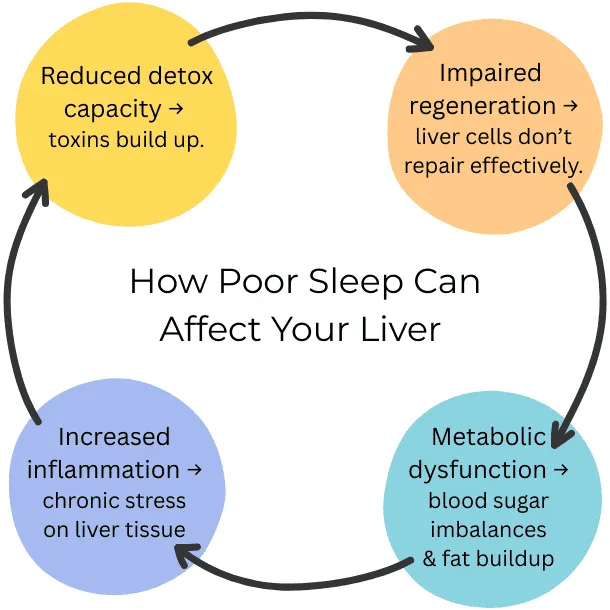
Sleep is essential for overall health and well-being, as it plays a crucial role in the body’s ability to repair and regenerate. When it comes to liver health, sleep is particularly important as it allows the liver to perform its detoxification functions efficiently. During sleep, the body goes through various processes that help to repair and regenerate cells, including liver cells. Lack of sleep can disrupt these processes and impair the liver’s ability to function properly.
Research has shown that sleep deprivation can have a negative impact on liver health. A study published in the Journal of Hepatology found that chronic sleep deprivation can lead to liver damage and inflammation, as well as an increase in liver enzymes that are markers of liver injury. Another study published in the journal Sleep Medicine Reviews found that poor sleep quality is associated with an increased risk of fatty liver disease, a condition that can lead to more serious liver problems such as cirrhosis and liver cancer.
In addition to its role in detoxification, sleep also plays a crucial role in regulating metabolism and hormone levels, both of which are important for liver health. Lack of sleep can disrupt these processes, leading to imbalances that can affect liver function. For example, sleep deprivation has been shown to increase levels of cortisol, a stress hormone that can contribute to liver damage and inflammation. Inadequate sleep can also disrupt the body’s ability to regulate blood sugar levels, which can have a negative impact on liver health.
Overall, getting an adequate amount of high-quality sleep is essential for supporting the healing process of the liver and maintaining optimal liver health. By prioritizing sleep and establishing healthy sleep habits, you can support your liver’s ability to detoxify, repair, and regenerate, leading to improved overall health and well-being.
Tips for Improving Sleep for Liver Health
In order to support your liver’s healing process, it is important to prioritize sleep and establish healthy sleep habits. Here are some tips for improving sleep for liver health:
1. Stick to a regular sleep schedule: Try to go to bed and wake up at the same time every day, even on weekends. This helps to regulate your body’s internal clock and promote better sleep quality.
2. Create a relaxing bedtime routine: Establish a calming bedtime routine that helps you unwind and prepare for sleep. This could include activities such as reading, meditating, or taking a warm bath.
3. Create a sleep-friendly environment: Make sure your bedroom is conducive to sleep by keeping it dark, quiet, and cool. Consider using earplugs, blackout curtains, or a white noise machine if needed.
4. Limit exposure to screens before bed: The blue light emitted by screens can disrupt your body’s production of melatonin, a hormone that regulates sleep. Try to limit screen time at least an hour before bed.
5. Avoid caffeine and alcohol close to bedtime: Both caffeine and alcohol can interfere with your sleep quality and disrupt your body’s natural sleep-wake cycle. Try to avoid consuming these substances close to bedtime.
6. Exercise regularly: Regular exercise can help improve sleep quality and promote overall health, including liver health. Just make sure to avoid vigorous exercise close to bedtime, as it can interfere with your ability to fall asleep.
7. Eat a healthy diet: A balanced diet rich in fruits, vegetables, whole grains, and lean proteins can support liver health and improve sleep quality. Avoid heavy meals close to bedtime, as they can disrupt your sleep.
By following these tips and prioritizing sleep as a crucial component of overall health and well-being, you can support your liver’s healing process and promote optimal liver health.
FAQs
Q: How many hours of sleep do I need to support my liver’s healing process?
A: The National Sleep Foundation recommends that adults aim for 7-9 hours of sleep per night in order to support overall health and well-being, including liver health. However, individual sleep needs can vary, so it is important to listen to your body and prioritize getting enough sleep to feel rested and refreshed.
Q: Can napping during the day help support my liver’s healing process?
A: While napping can help to make up for lost sleep and improve alertness and performance, it is not a substitute for getting a full night of quality sleep. If you find yourself needing to nap during the day, it may be a sign that you are not getting enough sleep at night. Focus on establishing healthy sleep habits and getting enough restorative sleep each night to support your liver’s healing process.
Q: I have trouble falling asleep and staying asleep. What can I do to improve my sleep quality?
A: If you are experiencing difficulty falling asleep or staying asleep, it may be helpful to consult with a healthcare provider or sleep specialist to determine the underlying cause of your sleep issues. In the meantime, try implementing the tips mentioned above for improving sleep quality, such as sticking to a regular sleep schedule, creating a relaxing bedtime routine, and limiting exposure to screens before bed.
Q: Can certain medications or medical conditions affect my ability to get a good night’s sleep and support my liver’s healing process?
A: Yes, certain medications and medical conditions can affect your ability to get a good night’s sleep and support your liver’s healing process. If you are taking medications that may interfere with your sleep, talk to your healthcare provider about potential alternatives or strategies for managing sleep disturbances. Similarly, if you have a medical condition that is impacting your sleep, work with your healthcare provider to address the underlying cause and develop a treatment plan that supports your liver health.
Conclusion
In conclusion, sleep plays a crucial role in supporting the healing process of the liver and maintaining optimal liver health. By prioritizing sleep and establishing healthy sleep habits, you can support your liver’s ability to detoxify, repair, and regenerate, leading to improved overall health and well-being. Remember to aim for 7-9 hours of quality sleep per night, create a relaxing bedtime routine, and maintain a sleep-friendly environment to support your liver’s healing process. By making sleep a priority, you can take an important step towards supporting your liver health and promoting overall well-being.
