The Surprising Connection: How Your Liver Health Impacts Your Energy Levels
Introduction
The liver is an often overlooked organ when it comes to our overall health and well-being. Most people associate the liver with detoxification and cleansing, but it plays a much larger role in our body’s functions. One of the lesser-known connections is between liver health and energy levels. In this article, we will explore how the health of your liver can impact your energy levels and overall vitality.
Understanding the Liver
The liver is the largest internal organ in the human body, weighing about 3 pounds and located on the right side of the abdomen. It is responsible for over 500 different functions, including metabolizing nutrients, detoxifying harmful substances, producing bile for digestion, and storing essential vitamins and minerals. The liver also plays a key role in regulating blood sugar levels, cholesterol levels, and immune function.
The liver is made up of thousands of tiny cells called hepatocytes, which are responsible for carrying out all of these functions. When the liver is healthy and functioning properly, it can efficiently process and eliminate toxins from the body, maintain a balanced metabolism, and support overall health and vitality.
The Connection Between Liver Health and Energy Levels
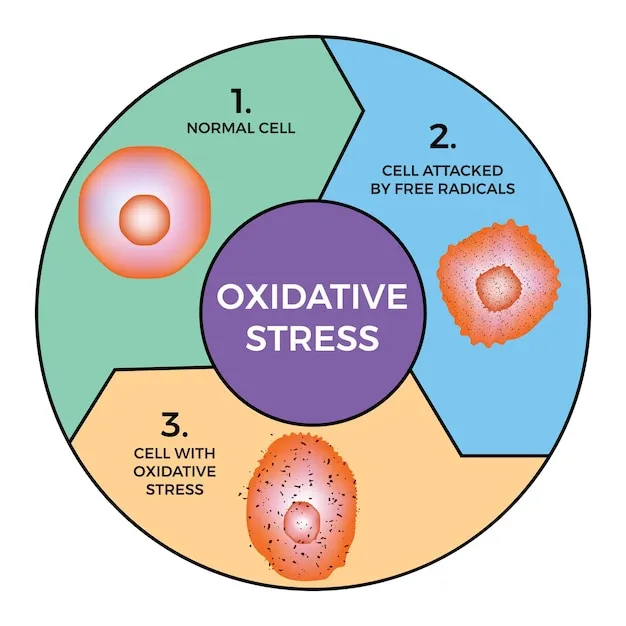
When the liver is not functioning optimally, it can lead to a buildup of toxins in the body, which can negatively impact energy levels. Toxins can interfere with the body’s ability to produce energy, leading to fatigue, brain fog, and overall sluggishness. In addition, a poorly functioning liver can also affect the body’s ability to metabolize nutrients properly, leading to deficiencies in essential vitamins and minerals that are needed for energy production.
Furthermore, a compromised liver can lead to a buildup of fat in the liver, a condition known as fatty liver disease. This can further impair liver function and lead to inflammation, insulin resistance, and other metabolic disturbances that can impact energy levels. In severe cases, fatty liver disease can progress to more serious conditions such as liver cirrhosis or liver cancer, which can have a significant impact on overall health and vitality.
Signs of Liver Dysfunction
There are several signs and symptoms that may indicate liver dysfunction, including:
– Fatigue and low energy levels
– Digestive issues such as bloating, gas, and constipation
– Weight gain or difficulty losing weight
– Skin problems such as acne, eczema, or psoriasis
– Hormonal imbalances such as irregular periods or low libido
– Mood swings, depression, or anxiety
– Chronic inflammation or pain in the joints or muscles
If you are experiencing any of these symptoms, it may be a sign that your liver is not functioning optimally and may need support to improve its health.
Supporting Liver Health for Better Energy Levels
There are several ways to support liver health and improve energy levels, including:
– Eating a healthy diet rich in fruits, vegetables, whole grains, lean proteins, and healthy fats
– Avoiding processed foods, excess sugar, alcohol, and caffeine, which can all put strain on the liver
– Staying hydrated by drinking plenty of water throughout the day to help flush toxins from the body
– Getting regular exercise to support metabolism and overall health
– Managing stress through practices such as meditation, yoga, or deep breathing exercises
– Getting enough sleep to allow the body to rest and repair itself
In addition to these lifestyle changes, there are also supplements and herbs that can support liver health, such as milk thistle, dandelion root, turmeric, and N-acetyl cysteine. These can help to detoxify the liver, reduce inflammation, and support overall liver function.
FAQs
Q: How do I know if my liver is healthy?
A: There are several tests that can be done to assess liver health, including blood tests to measure liver enzymes, imaging tests such as ultrasound or MRI, and liver biopsies in more serious cases. If you are experiencing symptoms of liver dysfunction, it is important to see a healthcare provider for evaluation and treatment.
Q: Can liver problems be reversed?
A: In many cases, liver problems can be reversed with lifestyle changes such as diet, exercise, and supplementation. However, in more severe cases such as advanced liver disease or cirrhosis, medical intervention may be necessary to manage the condition and prevent further damage.
Q: Are there any natural remedies for liver health?
A: Yes, there are several natural remedies that can support liver health, such as milk thistle, dandelion root, turmeric, and N-acetyl cysteine. These can help to detoxify the liver, reduce inflammation, and support overall liver function.
Conclusion
The liver plays a crucial role in our overall health and vitality, including energy levels. When the liver is not functioning optimally, it can lead to a buildup of toxins in the body, nutrient deficiencies, and other metabolic disturbances that can impact energy levels. By supporting liver health through lifestyle changes, supplementation, and natural remedies, you can improve your energy levels and overall well-being. If you are experiencing symptoms of liver dysfunction, it is important to see a healthcare provider for evaluation and treatment. By taking care of your liver, you can support your body’s natural detoxification processes and enjoy better energy levels and vitality.