
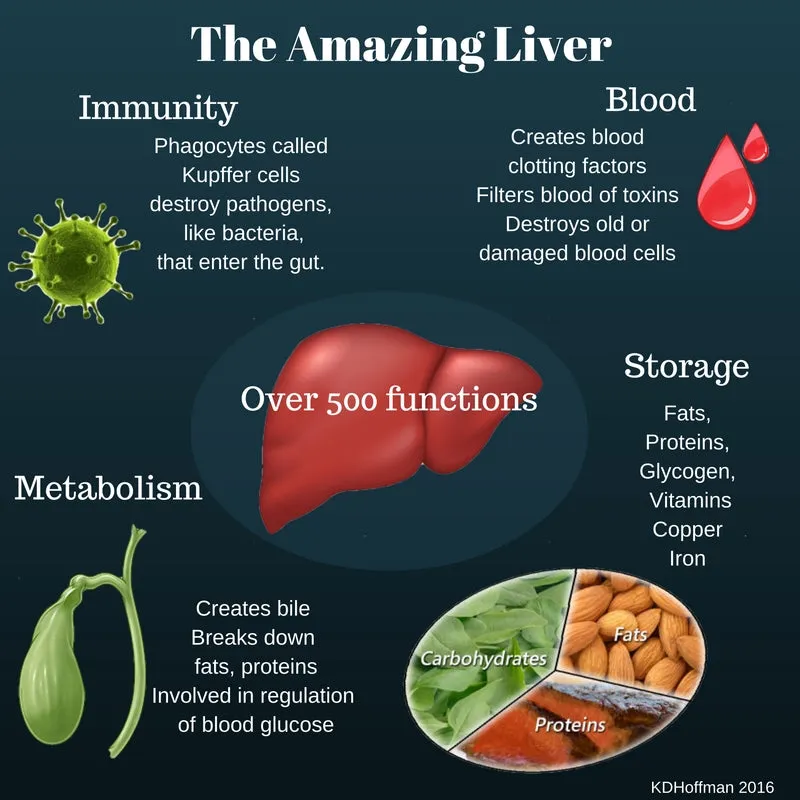
The liver is one of the most important organs in the body, responsible for a wide range of functions including metabolizing nutrients, detoxifying harmful substances, and producing bile to aid in digestion. The liver’s metabolism plays a crucial role in maintaining overall health and well-being, as it determines how efficiently the body processes and utilizes nutrients.
However, there are several surprising factors that can slow down liver metabolism, leading to a range of health issues and complications. In this article, we will explore some of these factors and discuss how they can impact liver function. We will also provide tips on how to support and boost liver metabolism for optimal health.
Factors That Can Slow Down Liver Metabolism
1. Poor Diet
One of the most common factors that can slow down liver metabolism is a poor diet high in processed foods, refined sugars, and unhealthy fats. These types of foods can overload the liver with toxins and harmful substances, leading to inflammation and reduced metabolic function. Consuming a diet rich in fruits, vegetables, whole grains, and lean proteins can help support liver metabolism and overall health.
2. Lack of Exercise
Regular physical activity is essential for maintaining a healthy metabolism, including liver metabolism. A sedentary lifestyle can lead to a buildup of fat in the liver, known as non-alcoholic fatty liver disease (NAFLD), which can impair metabolic function and increase the risk of liver damage. Engaging in regular exercise can help improve liver health and metabolism.
3. Alcohol Consumption
Excessive alcohol consumption can have a detrimental impact on liver metabolism, leading to liver damage and impaired function. Alcohol is metabolized by the liver, and excessive intake can overload the liver and disrupt its ability to process other nutrients and toxins. Limiting alcohol consumption can help support liver health and metabolism.
4. Medications
Certain medications can also slow down liver metabolism, particularly those that are metabolized by the liver. These medications can put a strain on the liver and interfere with its ability to process other substances, leading to reduced metabolic function. It is important to talk to a healthcare provider about any medications you are taking and their potential impact on liver health.
5. Stress
Chronic stress can have a negative impact on liver metabolism, as it can lead to inflammation and hormonal imbalances that disrupt metabolic function. Finding ways to manage stress, such as through relaxation techniques, mindfulness practices, and regular exercise, can help support liver health and metabolism.
6. Environmental Toxins
Exposure to environmental toxins, such as pesticides, heavy metals, and pollutants, can also slow down liver metabolism. These toxins can accumulate in the liver and impair its ability to process nutrients and toxins, leading to reduced metabolic function. Taking steps to reduce exposure to environmental toxins, such as eating organic foods and using natural cleaning products, can help support liver health.
7. Lack of Sleep
Sleep is essential for overall health and well-being, including liver metabolism. Lack of sleep can disrupt hormonal balance and lead to metabolic imbalances that can impact liver function. Getting an adequate amount of quality sleep each night is important for supporting liver health and metabolism.
How to Boost Liver Metabolism
There are several ways to support and boost liver metabolism for optimal health. Some tips include:
1. Eat a balanced diet rich in fruits, vegetables, whole grains, and lean proteins.
2. Engage in regular physical activity, such as walking, jogging, or swimming.
3. Limit alcohol consumption and avoid excessive intake.
4. Talk to a healthcare provider about any medications you are taking and their potential impact on liver health.
5. Find ways to manage stress through relaxation techniques, mindfulness practices, and regular exercise.
6. Reduce exposure to environmental toxins by eating organic foods and using natural cleaning products.
7. Get an adequate amount of quality sleep each night.
FAQs
1. How can I tell if my liver metabolism is slow?
Symptoms of slow liver metabolism can include fatigue, weight gain, digestive issues, and hormonal imbalances. If you are experiencing any of these symptoms, it may be a sign that your liver metabolism is not functioning optimally.
2. Can liver metabolism be improved?
Yes, liver metabolism can be improved through lifestyle changes such as eating a balanced diet, engaging in regular physical activity, limiting alcohol consumption, managing stress, reducing exposure to environmental toxins, and getting adequate sleep.
3. Are there any supplements that can support liver metabolism?
Certain supplements, such as milk thistle, dandelion root, and turmeric, have been shown to support liver health and metabolism. It is important to talk to a healthcare provider before taking any supplements to ensure they are safe and appropriate for your individual needs.
4. How long does it take to boost liver metabolism?
The time it takes to boost liver metabolism can vary depending on individual factors such as diet, exercise habits, and overall health. Making lifestyle changes and adopting healthy habits can help support liver metabolism over time.
In conclusion, there are several surprising factors that can slow down liver metabolism, leading to a range of health issues and complications. By making healthy lifestyle choices, such as eating a balanced diet, engaging in regular physical activity, limiting alcohol consumption, managing stress, reducing exposure to environmental toxins, and getting adequate sleep, you can support and boost liver metabolism for optimal health. If you are experiencing symptoms of slow liver metabolism, it is important to talk to a healthcare provider for guidance and support.
