
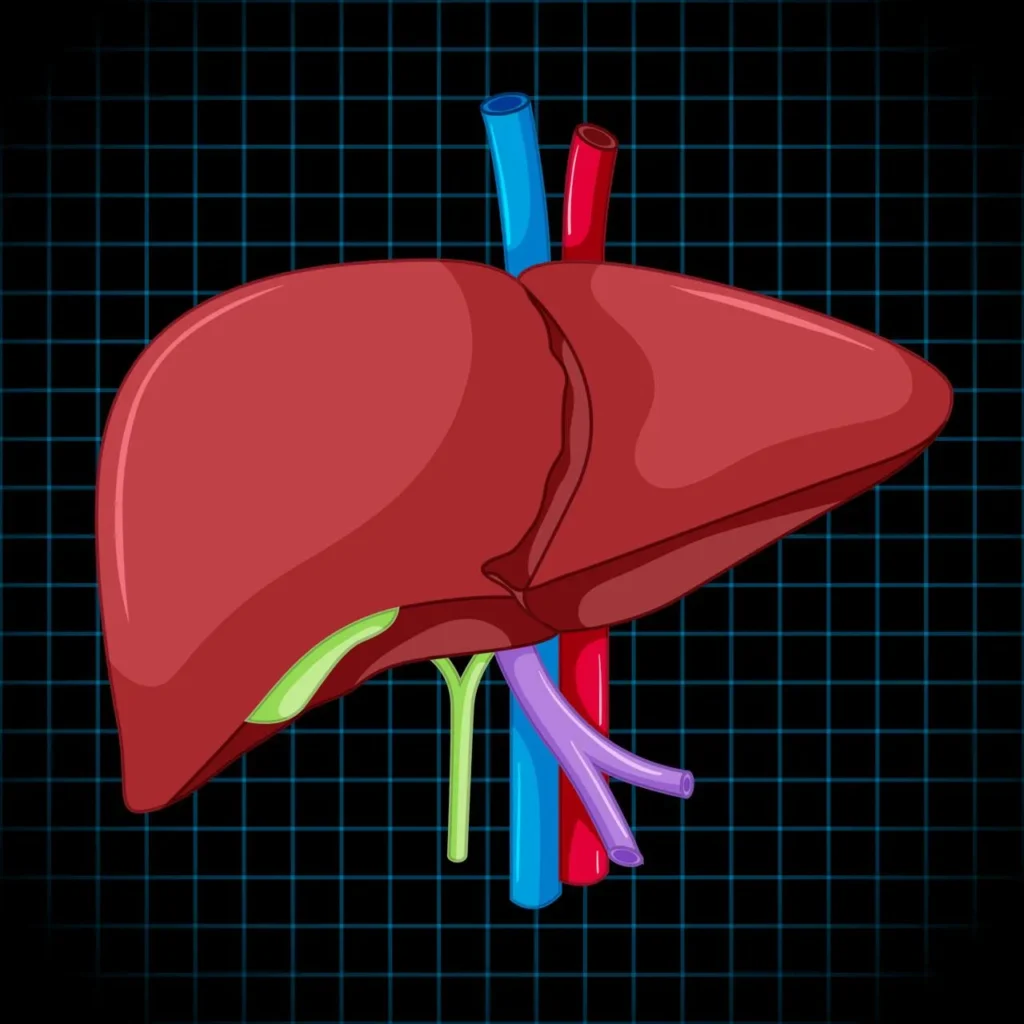
The Surprising Link Between Liver Health and Weight Loss
Introduction
When it comes to weight loss, most people focus on diet and exercise as the primary factors in shedding unwanted pounds. However, one often-overlooked factor that plays a significant role in weight loss is liver health. The liver is a vital organ that performs numerous functions in the body, including metabolizing fats, storing nutrients, and detoxifying harmful substances. When the liver is not functioning optimally, it can impact your ability to lose weight effectively. In this article, we will explore the surprising link between liver health and weight loss, and how you can improve your liver health to achieve your weight loss goals.
The Role of the Liver in Weight Loss
The liver plays a crucial role in weight loss for several reasons. Firstly, the liver is responsible for metabolizing fats in the body. When the liver is functioning properly, it can efficiently break down fats and convert them into energy. However, when the liver is overwhelmed with toxins or unhealthy fats, it can become sluggish and less effective at metabolizing fats, leading to weight gain.
Secondly, the liver plays a role in regulating blood sugar levels. When blood sugar levels are too high, the body stores excess sugar as fat. A healthy liver helps to regulate blood sugar levels by releasing stored glucose when needed, preventing excess sugar from being stored as fat.
Lastly, the liver plays a role in detoxifying the body. When the liver is overwhelmed with toxins from alcohol, processed foods, and environmental pollutants, it can become inflamed and less efficient at performing its detoxification functions. This can lead to weight gain as toxins are stored in fat cells to protect the body from harm.
How Liver Health Impacts Weight Loss
When the liver is not functioning optimally, it can impact your ability to lose weight in several ways. Here are some ways in which poor liver health can hinder weight loss:
1. Sluggish metabolism: When the liver is not able to efficiently metabolize fats, it can slow down your metabolism, making it harder to burn calories and lose weight.
2. Insulin resistance: A healthy liver helps to regulate blood sugar levels and prevent insulin resistance. When the liver is not functioning properly, it can lead to insulin resistance, which can make it harder to lose weight.
3. Hormonal imbalances: The liver plays a role in balancing hormones in the body. When the liver is overwhelmed with toxins, it can disrupt hormone levels, leading to weight gain and difficulty losing weight.
4. Inflammation: When the liver is inflamed due to toxins or unhealthy fats, it can lead to chronic inflammation in the body. Inflammation can hinder weight loss by disrupting the body’s ability to burn fat and build muscle.
5. Nutrient deficiencies: A healthy liver stores and releases nutrients as needed for optimal health. When the liver is not functioning properly, it can lead to nutrient deficiencies that can impact your energy levels and metabolism, making it harder to lose weight.
How to Improve Liver Health for Weight Loss
Fortunately, there are several ways to improve liver health to support weight loss. Here are some tips to help you optimize your liver health and achieve your weight loss goals:
1. Eat a healthy diet: A diet rich in whole, unprocessed foods can help support liver health and promote weight loss. Include plenty of fruits, vegetables, lean proteins, and healthy fats in your diet to nourish your liver and improve its function.
2. Limit alcohol intake: Alcohol can be toxic to the liver and can lead to inflammation and damage. Limit your alcohol intake to support liver health and weight loss.
3. Stay hydrated: Drinking plenty of water can help flush toxins from the body and support liver function. Aim to drink at least eight glasses of water a day to keep your liver healthy.
4. Exercise regularly: Regular physical activity can help support liver health and aid in weight loss. Aim to incorporate a mix of cardiovascular exercise and strength training into your routine to optimize your liver function.
5. Get plenty of sleep: Lack of sleep can disrupt liver function and hormone levels, leading to weight gain. Aim to get at least seven to eight hours of sleep each night to support liver health and weight loss.
6. Reduce stress: Chronic stress can impact liver function and hinder weight loss. Practice stress-reducing activities such as meditation, yoga, or deep breathing exercises to support liver health and promote weight loss.
Frequently Asked Questions
Q: Can liver health impact my ability to lose weight?
A: Yes, poor liver health can impact your ability to lose weight by slowing down your metabolism, causing insulin resistance, disrupting hormone levels, promoting inflammation, and leading to nutrient deficiencies.
Q: How can I improve my liver health for weight loss?
A: You can improve your liver health for weight loss by eating a healthy diet, limiting alcohol intake, staying hydrated, exercising regularly, getting plenty of sleep, and reducing stress.
Q: Are there any supplements that can support liver health and weight loss?
A: There are several supplements that can support liver health and weight loss, including milk thistle, dandelion root, turmeric, and N-acetylcysteine (NAC). However, it is important to consult with a healthcare provider before taking any supplements to ensure they are safe and effective for you.
Q: How long does it take to improve liver health for weight loss?
A: The timeline for improving liver health for weight loss can vary depending on the individual and their current liver health status. With consistent efforts to support liver health through diet, exercise, and lifestyle changes, you may start to see improvements in liver function and weight loss within a few weeks to a few months.
Conclusion
In conclusion, liver health plays a crucial role in weight loss by impacting metabolism, blood sugar levels, hormone balance, inflammation, and nutrient absorption. By taking steps to improve liver health through diet, exercise, and lifestyle changes, you can support your liver function and optimize your weight loss efforts. Remember to consult with a healthcare provider before making any significant changes to your diet or lifestyle to ensure they are safe and effective for you. By prioritizing your liver health, you can achieve your weight loss goals and improve your overall health and well-being.