The Surprising Link Between Poor Liver Function and Weight Gain
Introduction
The liver is one of the most important organs in the human body, responsible for a wide range of functions including detoxification, metabolism, and nutrient storage. When the liver is not functioning properly, it can have a significant impact on overall health, including weight gain. In this article, we will explore the surprising link between poor liver function and weight gain, and discuss how you can improve your liver health to support weight loss.
The Role of the Liver in Weight Management
The liver plays a crucial role in regulating metabolism and energy balance in the body. One of the key functions of the liver is to convert excess glucose and carbohydrates into glycogen, which is stored for later use as energy. When the liver is not functioning properly, it can lead to a build-up of glycogen and glucose in the bloodstream, which can contribute to weight gain.
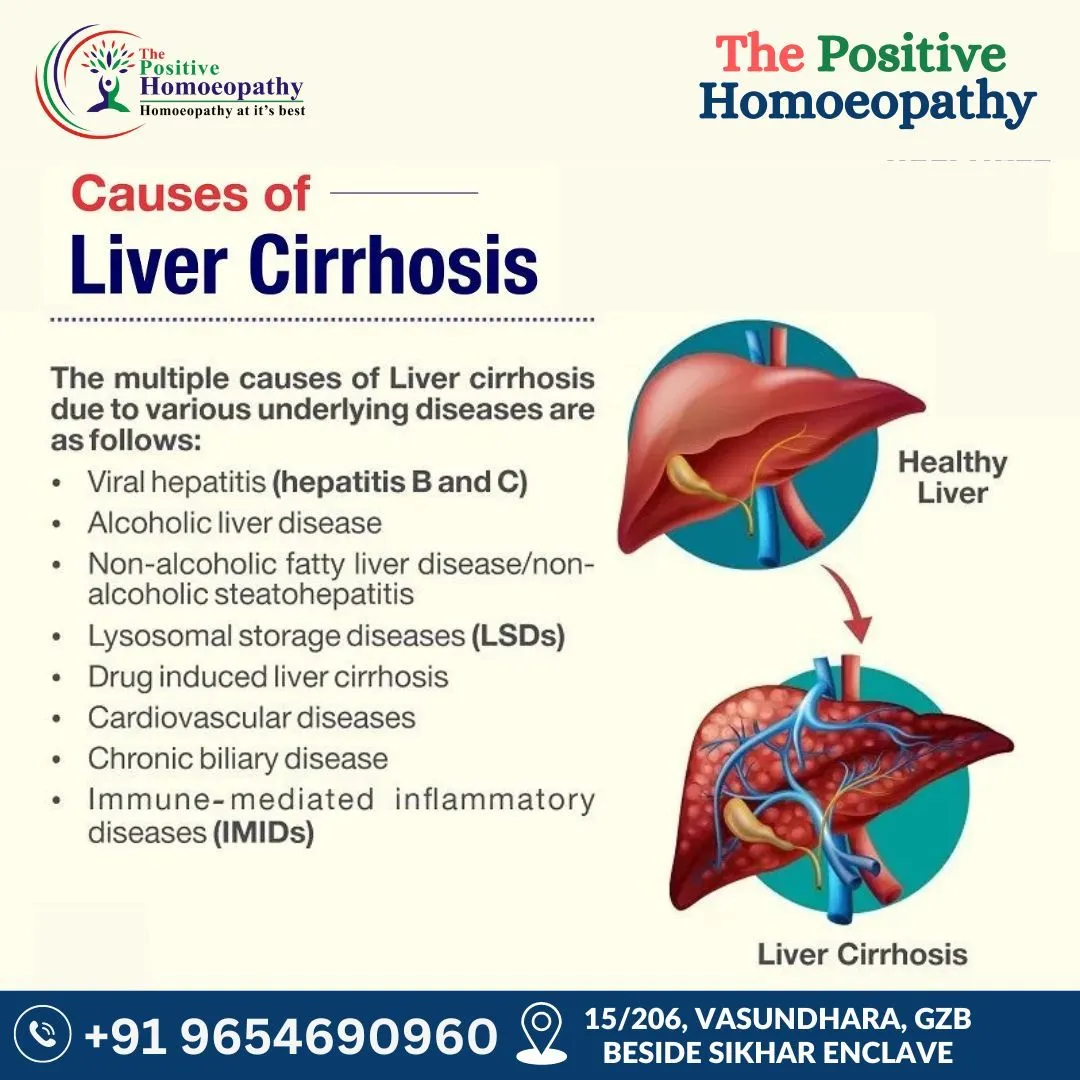
Additionally, the liver is responsible for metabolizing fats and producing bile, which helps to break down fats in the digestive system. When the liver is not able to properly metabolize fats, it can lead to an accumulation of fat in the liver, a condition known as non-alcoholic fatty liver disease (NAFLD). NAFLD is strongly associated with obesity and weight gain.
Furthermore, the liver plays a key role in detoxifying the body and eliminating toxins. When the liver is overloaded with toxins, it can become overwhelmed and less efficient at metabolizing nutrients, which can lead to weight gain and other health issues.
The Link Between Poor Liver Function and Weight Gain
There are several ways in which poor liver function can contribute to weight gain. One of the main ways is through insulin resistance, a condition in which the body’s cells become less responsive to insulin, leading to high levels of glucose in the bloodstream. Insulin resistance is a common feature of NAFLD and can contribute to weight gain by promoting the storage of fat in the body.
Additionally, poor liver function can lead to an imbalance in hormones that regulate appetite and metabolism, such as leptin and ghrelin. Leptin is a hormone that signals to the brain when the body has had enough food, while ghrelin is a hormone that stimulates appetite. When the liver is not functioning properly, it can disrupt the balance of these hormones, leading to increased hunger and overeating.
Furthermore, poor liver function can lead to inflammation in the body, which can contribute to weight gain. Chronic inflammation is associated with insulin resistance, obesity, and other metabolic disorders, and can make it more difficult to lose weight.
Lastly, poor liver function can also lead to nutrient deficiencies, which can impact metabolism and energy production in the body. When the liver is not able to properly metabolize nutrients, it can lead to a decrease in energy levels and an increase in fat storage.
Improving Liver Health to Support Weight Loss
There are several steps you can take to improve your liver health and support weight loss. One of the most important things you can do is to maintain a healthy diet that is low in processed foods, sugar, and saturated fats. Instead, focus on eating a diet rich in fruits, vegetables, whole grains, and lean proteins, which can help to support liver function and promote weight loss.
In addition to eating a healthy diet, regular exercise is also important for supporting liver health and weight loss. Exercise can help to improve insulin sensitivity, reduce inflammation, and promote the metabolism of fats in the liver. Aim to incorporate a mix of cardiovascular exercise, strength training, and flexibility exercises into your routine to support overall health and weight loss.
Furthermore, it is important to avoid excessive alcohol consumption, as alcohol can have a negative impact on liver health and contribute to weight gain. Limit your alcohol intake to no more than one drink per day for women and two drinks per day for men, and consider cutting back or eliminating alcohol altogether if you have liver issues.
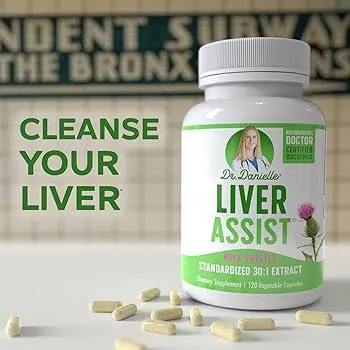
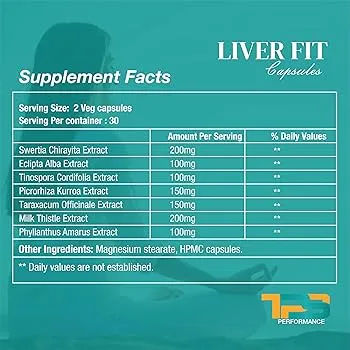
Additionally, certain supplements and herbs can help to support liver health and promote weight loss. Milk thistle, dandelion root, and turmeric are all herbs that have been shown to support liver function and detoxification. Omega-3 fatty acids, vitamin E, and alpha-lipoic acid are also important nutrients for supporting liver health.
FAQs
Q: Can poor liver function cause weight gain?
A: Yes, poor liver function can contribute to weight gain through a variety of mechanisms, including insulin resistance, hormone imbalances, inflammation, and nutrient deficiencies.
Q: How can I improve my liver health to support weight loss?
A: You can improve your liver health by maintaining a healthy diet, exercising regularly, avoiding excessive alcohol consumption, and taking supplements and herbs that support liver function.
Q: What are the symptoms of poor liver function?
A: Symptoms of poor liver function can include fatigue, weight gain, bloating, digestive issues, skin problems, and hormonal imbalances.
Q: How can I know if my liver is functioning properly?
A: You can assess your liver function through blood tests that measure levels of liver enzymes, such as ALT and AST, as well as imaging tests like ultrasounds or MRIs.
Q: Are there any specific foods I should include in my diet to support liver health?
A: Yes, foods that are rich in antioxidants, fiber, and nutrients like vitamins A, C, and E can help to support liver health. Examples include fruits, vegetables, whole grains, and lean proteins.
Conclusion
The liver plays a crucial role in regulating metabolism and energy balance in the body, and poor liver function can have a significant impact on weight gain and overall health. By taking steps to improve your liver health through diet, exercise, and supplements, you can support weight loss and promote optimal health. If you are experiencing symptoms of poor liver function, it is important to speak with a healthcare provider for proper evaluation and treatment.