The Surprising Link Between Stress and Liver Health
The liver is one of the most important organs in the body, responsible for detoxifying harmful substances, metabolizing nutrients, and producing important proteins. It plays a crucial role in maintaining overall health and well-being. However, many people are unaware of the surprising link between stress and liver health.
Stress is a natural response to challenging situations, but chronic stress can have a negative impact on the body, including the liver. Research has shown that stress can contribute to liver damage and disease, and may even play a role in the development of conditions such as fatty liver disease and liver cancer.
In this article, we will explore the surprising link between stress and liver health, and discuss ways to manage stress in order to protect the health of this vital organ.
The Impact of Stress on the Liver
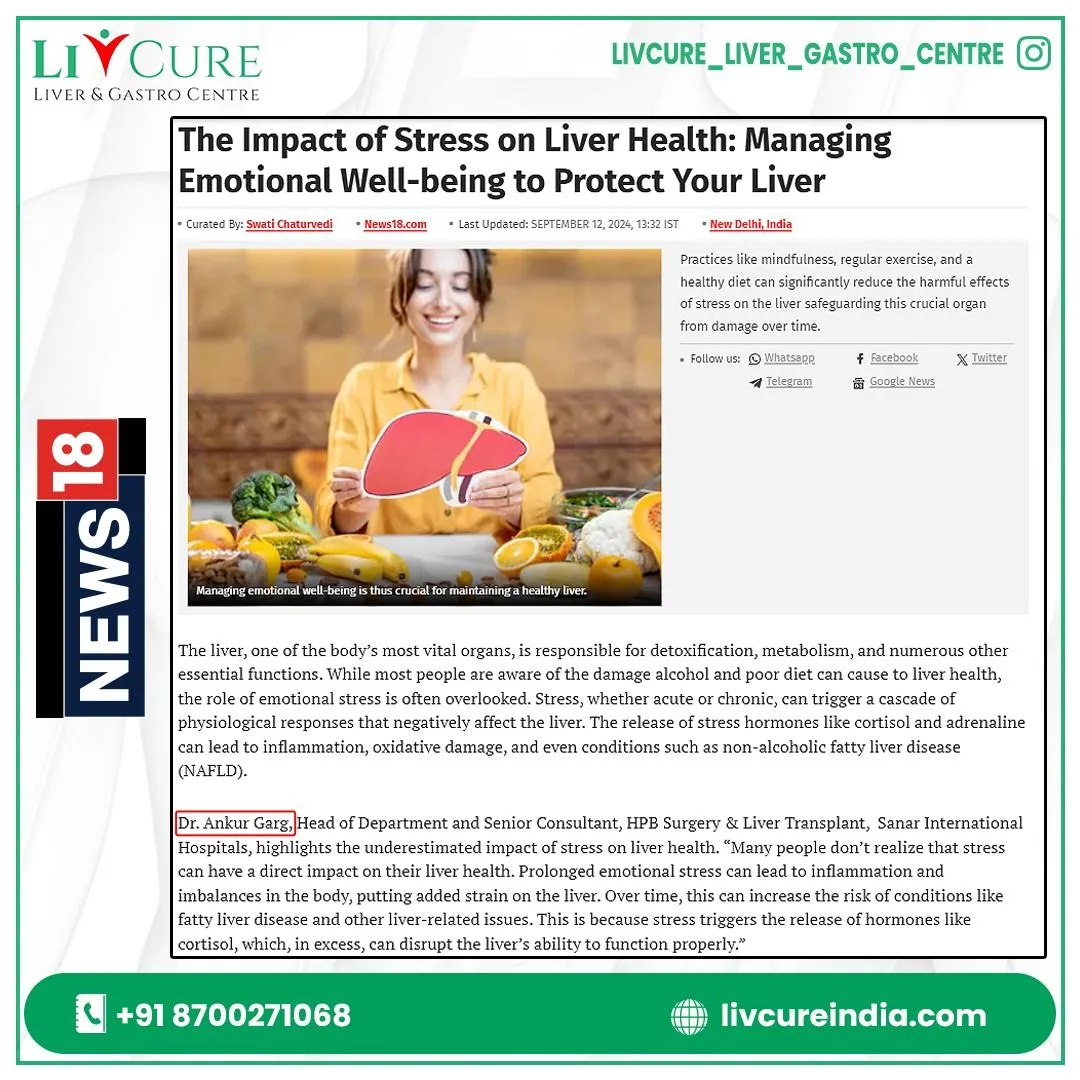
When we experience stress, our bodies release hormones such as cortisol and adrenaline, which help us to respond to the perceived threat. These hormones can have a number of effects on the body, including increasing heart rate, raising blood pressure, and triggering the release of glucose into the bloodstream.
While these responses are necessary for survival in the short term, chronic stress can disrupt the body’s natural balance and have a negative impact on overall health. In particular, stress has been shown to have a direct impact on the liver, leading to inflammation, oxidative stress, and other harmful effects.
One study published in the journal Psychoneuroendocrinology found that individuals who reported higher levels of stress were more likely to have non-alcoholic fatty liver disease (NAFLD), a condition characterized by the accumulation of fat in the liver. The researchers hypothesized that stress may contribute to the development of NAFLD by increasing inflammation and promoting the storage of fat in the liver.
Another study published in the journal Hepatology found that chronic stress can lead to the development of liver cancer. The researchers found that stress hormones such as cortisol can promote the growth and spread of liver cancer cells, and may even contribute to the development of drug resistance in cancer cells.
In addition to these direct effects, stress can also contribute to unhealthy behaviors such as overeating, excessive drinking, and lack of exercise, all of which can have a negative impact on liver health. Over time, these behaviors can lead to the development of conditions such as alcoholic liver disease, liver cirrhosis, and liver cancer.
Managing Stress to Protect Liver Health
Given the impact that stress can have on the liver, it is important to take steps to manage stress in order to protect the health of this vital organ. Here are some strategies that can help:
1. Practice relaxation techniques such as deep breathing, meditation, and yoga. These techniques can help to calm the mind and body, reduce stress hormones, and promote a sense of well-being.
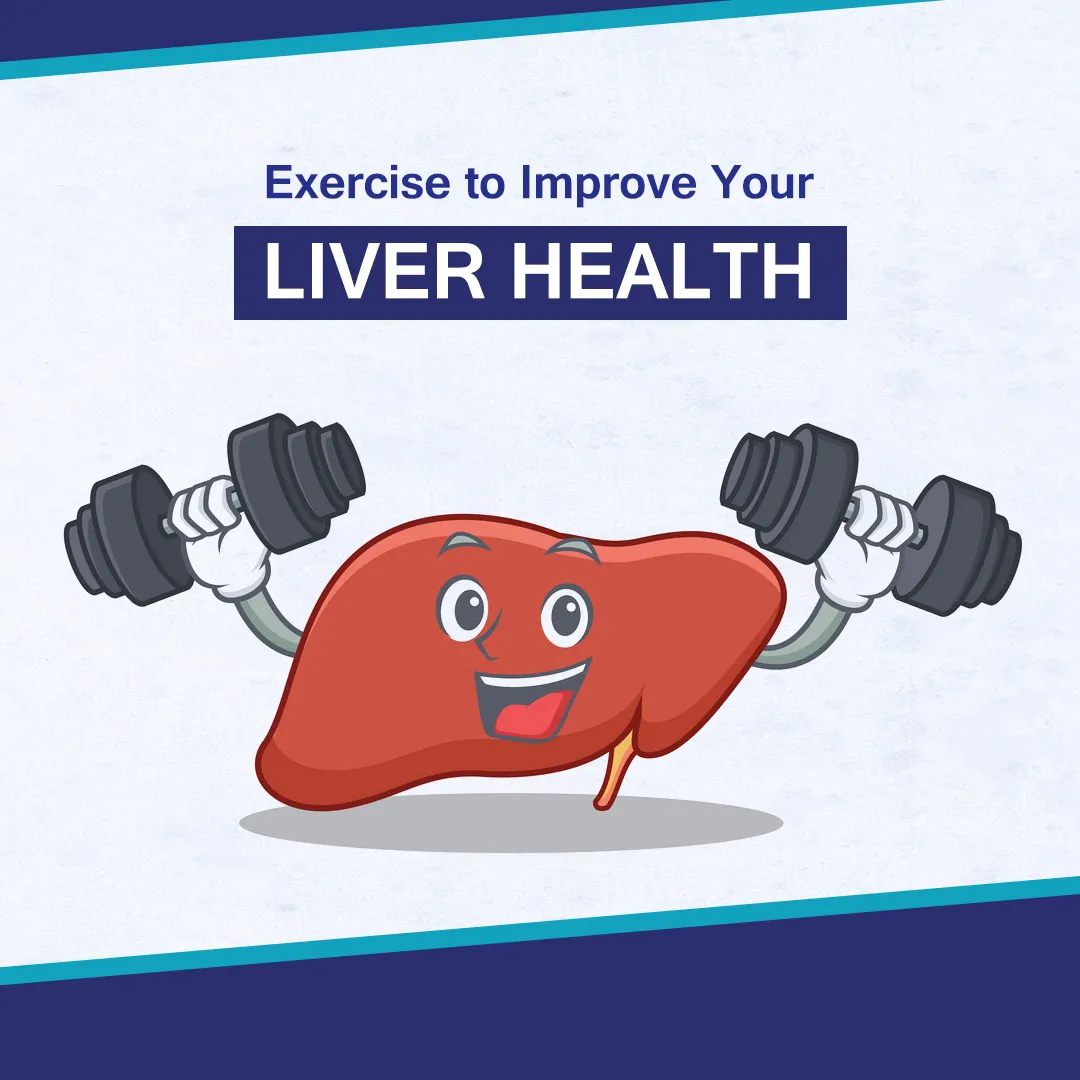
2. Exercise regularly. Physical activity has been shown to reduce stress levels, improve mood, and promote overall health. Aim for at least 30 minutes of moderate exercise each day.
3. Get plenty of sleep. Lack of sleep can contribute to stress and have a negative impact on liver health. Aim for 7-8 hours of quality sleep each night.
4. Eat a healthy diet. A diet high in fruits, vegetables, whole grains, and lean proteins can help to support liver health and reduce the impact of stress on the body.
5. Avoid excessive alcohol consumption. Alcohol can have a negative impact on liver health, especially when combined with stress. Limit your alcohol intake to no more than one drink per day for women and two drinks per day for men.
6. Seek support. Talking to a friend, family member, or mental health professional can help to reduce stress and improve overall well-being.
By taking these steps to manage stress, you can protect the health of your liver and reduce the risk of developing liver disease. Remember that stress is a normal part of life, but it is important to find healthy ways to cope with it in order to maintain overall health and well-being.
FAQs
Q: Can stress cause liver damage?
A: Yes, chronic stress has been shown to have a negative impact on liver health, leading to inflammation, oxidative stress, and other harmful effects. Stress can contribute to the development of conditions such as non-alcoholic fatty liver disease, liver cancer, and alcoholic liver disease.
Q: How can I reduce stress to protect my liver health?
A: There are a number of strategies that can help to reduce stress and protect the health of your liver. These include practicing relaxation techniques, exercising regularly, getting plenty of sleep, eating a healthy diet, avoiding excessive alcohol consumption, and seeking support from friends, family, or mental health professionals.
Q: Can stress be a risk factor for liver cancer?
A: Yes, research has shown that chronic stress can contribute to the development of liver cancer. Stress hormones such as cortisol can promote the growth and spread of liver cancer cells, and may even contribute to the development of drug resistance in cancer cells.
Q: What are the symptoms of liver damage caused by stress?
A: The symptoms of liver damage caused by stress can vary depending on the specific condition. In general, symptoms may include fatigue, abdominal pain, jaundice (yellowing of the skin and eyes), swelling in the legs and abdomen, and changes in appetite and weight. It is important to see a healthcare provider if you are experiencing any of these symptoms.
In conclusion, the link between stress and liver health is a surprising and important one. By taking steps to manage stress and protect the health of your liver, you can reduce the risk of developing liver disease and maintain overall well-being. Remember to prioritize self-care and seek support when needed in order to maintain a healthy balance in life.