The Ultimate Guide to Antioxidants for a Healthy Liver
Introduction
The liver is one of the most important organs in the human body, responsible for a wide range of functions including detoxification, metabolism, and nutrient storage. Keeping your liver healthy is crucial for overall well-being, as it plays a key role in maintaining optimal health. One of the best ways to support liver health is by incorporating antioxidants into your diet. Antioxidants are compounds that help protect cells from damage caused by free radicals, which are harmful molecules that can lead to oxidative stress and inflammation. In this ultimate guide, we will explore the importance of antioxidants for a healthy liver and provide tips on how to incorporate them into your diet.
What are Antioxidants?
Antioxidants are compounds that help protect cells from damage caused by free radicals. Free radicals are unstable molecules that can cause oxidative stress, leading to inflammation and damage to cells and tissues. Antioxidants work by neutralizing free radicals, preventing them from causing harm to the body. There are many different types of antioxidants, including vitamins, minerals, and phytochemicals found in plant-based foods. Some of the most well-known antioxidants include vitamin C, vitamin E, beta-carotene, and selenium.
The Role of Antioxidants in Liver Health
The liver is constantly exposed to toxins and harmful substances that can cause damage and inflammation. Antioxidants play a crucial role in protecting the liver from these harmful effects by neutralizing free radicals and reducing oxidative stress. Studies have shown that antioxidants can help reduce inflammation, improve liver function, and protect against liver diseases such as fatty liver disease, hepatitis, and cirrhosis. Incorporating antioxidant-rich foods into your diet can help support liver health and reduce the risk of liver damage.
Top Antioxidants for Liver Health
1. Vitamin C: Vitamin C is a powerful antioxidant that helps protect the liver from oxidative stress and inflammation. Citrus fruits, strawberries, kiwi, and bell peppers are all excellent sources of vitamin C.
2. Vitamin E: Vitamin E is another important antioxidant that plays a key role in protecting the liver from damage. Nuts, seeds, and leafy green vegetables are good sources of vitamin E.
3. Beta-carotene: Beta-carotene is a precursor to vitamin A and is known for its antioxidant properties. Foods such as carrots, sweet potatoes, and spinach are rich in beta-carotene.
4. Selenium: Selenium is a mineral that acts as an antioxidant and helps protect the liver from oxidative stress. Brazil nuts, sunflower seeds, and fish are good sources of selenium.
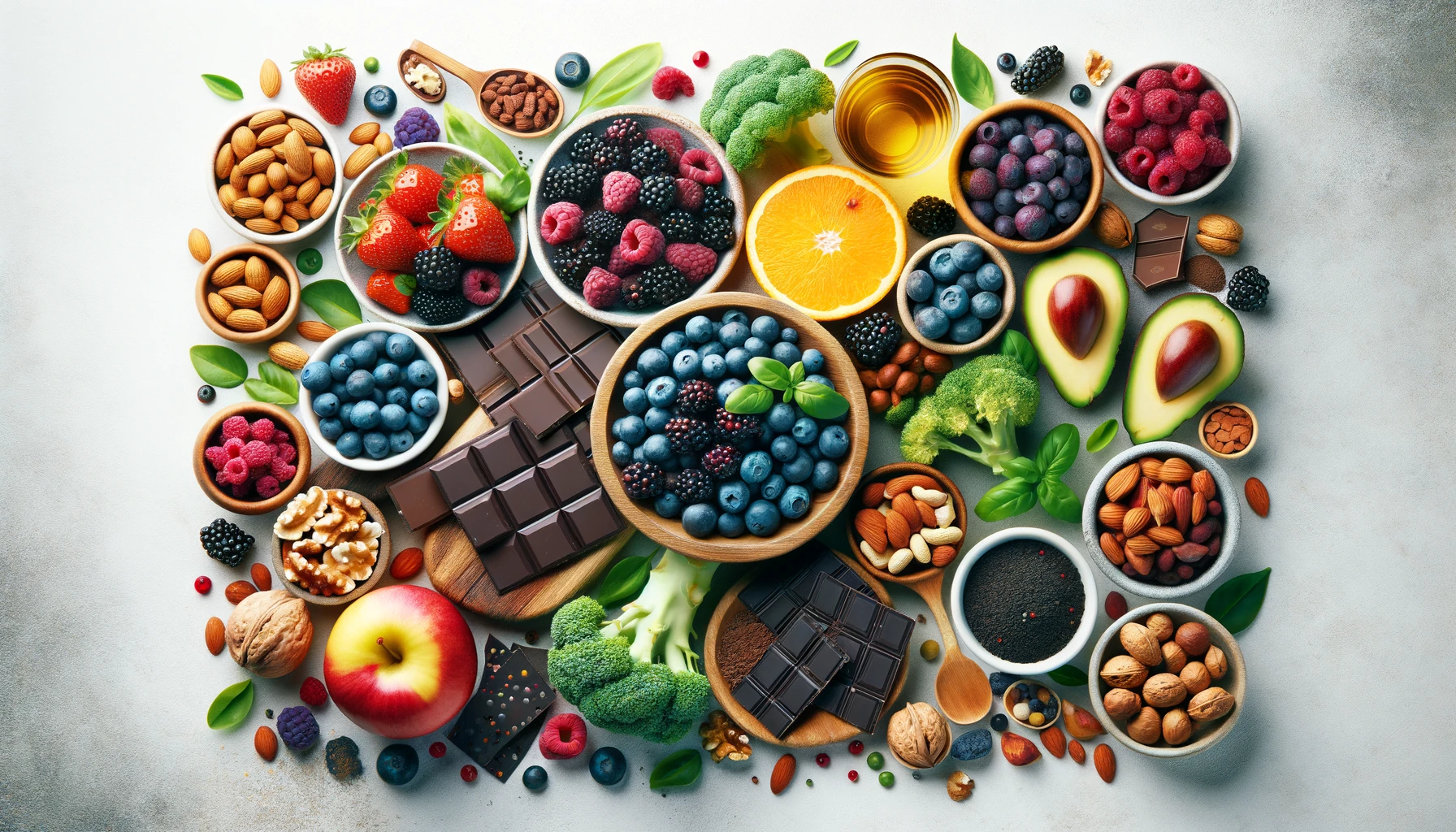
5. Flavonoids: Flavonoids are a group of antioxidants found in plant-based foods that have been shown to have anti-inflammatory and liver-protective effects. Berries, citrus fruits, and green tea are all rich in flavonoids.
Incorporating Antioxidants into Your Diet
In order to support liver health, it is important to incorporate antioxidant-rich foods into your diet. Here are some tips on how to increase your intake of antioxidants:
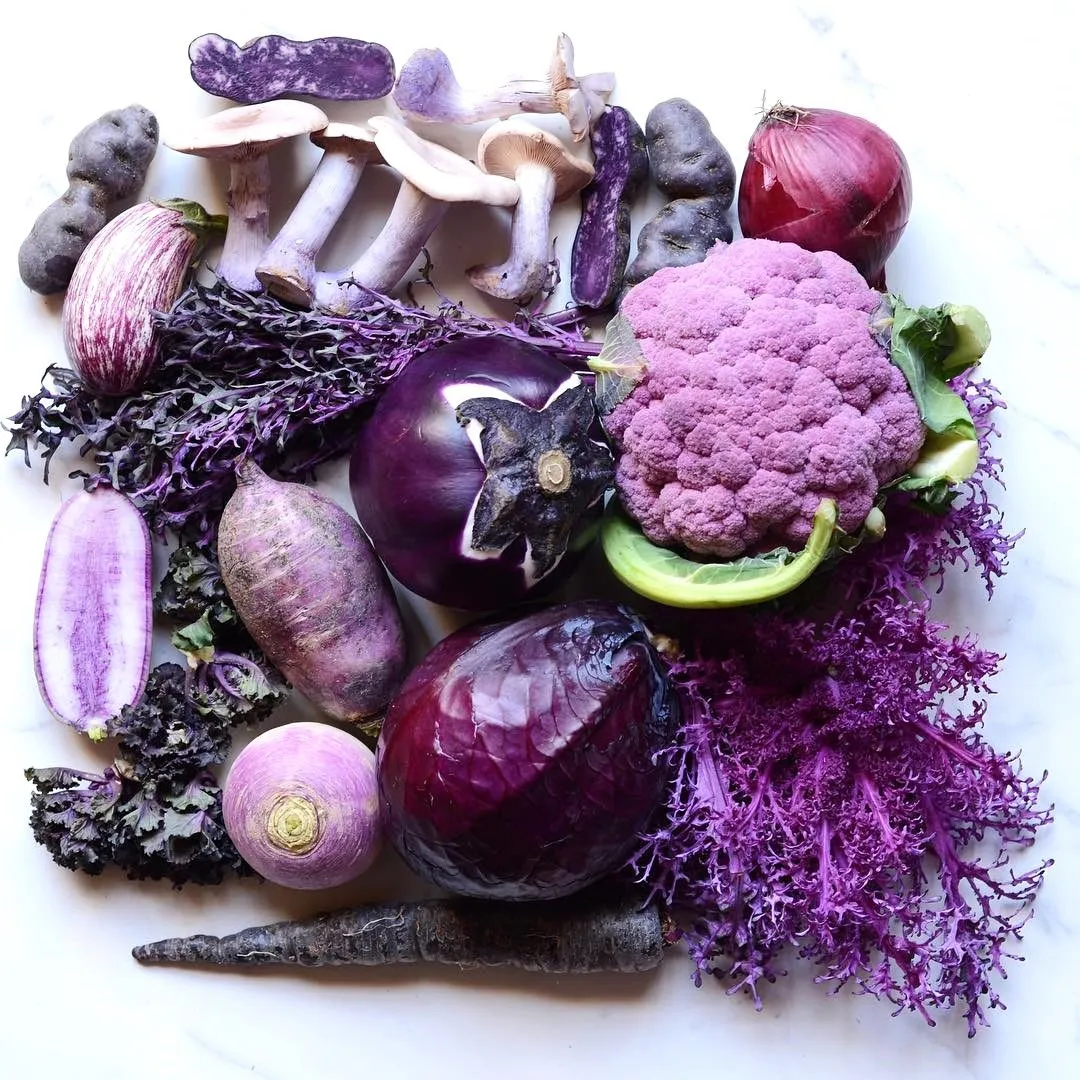
1. Eat a variety of fruits and vegetables: Fruits and vegetables are rich in antioxidants, vitamins, and minerals that can help protect the liver from damage. Aim to eat a wide range of colorful fruits and vegetables to ensure you are getting a variety of antioxidants.
2. Include nuts and seeds: Nuts and seeds are excellent sources of vitamin E and selenium, two important antioxidants for liver health. Add a handful of nuts or seeds to your meals or snacks each day to boost your antioxidant intake.
3. Drink green tea: Green tea is rich in flavonoids, antioxidants that have been shown to have liver-protective effects. Aim to drink at least one cup of green tea each day to reap the benefits of its antioxidant content.
4. Cook with herbs and spices: Herbs and spices such as turmeric, ginger, and cinnamon are rich in antioxidants and can help support liver health. Add these flavorful ingredients to your meals to increase your antioxidant intake.
5. Limit processed foods and alcohol: Processed foods and alcohol can contribute to oxidative stress and liver damage. Limit your intake of these substances and focus on whole, nutrient-dense foods to support liver health.
FAQs
1. Can antioxidants reverse liver damage?
While antioxidants can help protect the liver from damage and reduce inflammation, they may not be able to reverse severe liver damage. It is important to consult with a healthcare professional if you have liver disease or liver damage to determine the best course of treatment.
2. Can I take antioxidant supplements for liver health?
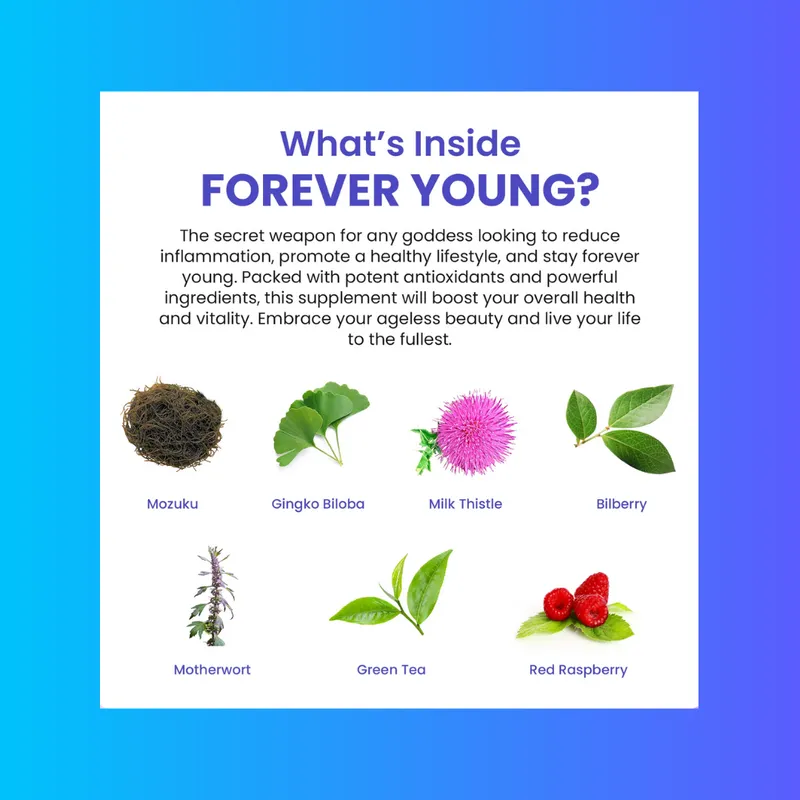
While it is always best to get your antioxidants from whole foods, some people may benefit from antioxidant supplements. Talk to your healthcare provider before taking any supplements to ensure they are safe and appropriate for your individual needs.
3. Are there any side effects of consuming too many antioxidants?
While antioxidants are generally safe when consumed in food form, taking high doses of antioxidant supplements may have negative effects. It is important to follow recommended dosages and consult with a healthcare provider before taking any supplements.
4. How long does it take for antioxidants to improve liver health?
The time it takes for antioxidants to improve liver health can vary depending on individual factors such as diet, lifestyle, and overall health. Consistent consumption of antioxidant-rich foods over time can help support liver health and reduce the risk of liver damage.
In conclusion, antioxidants play a crucial role in supporting liver health and protecting the liver from damage caused by free radicals. By incorporating antioxidant-rich foods into your diet, you can help reduce inflammation, improve liver function, and reduce the risk of liver diseases. Remember to eat a variety of fruits and vegetables, include nuts and seeds, drink green tea, cook with herbs and spices, and limit processed foods and alcohol to support optimal liver health. If you have any concerns about your liver health, be sure to consult with a healthcare professional for personalized advice and recommendations.