
Understanding the Connection Between Belly Fat and Liver Disease
Introduction
Liver disease is a serious health condition that affects millions of people worldwide. One of the major risk factors for developing liver disease is excess belly fat. Belly fat, also known as visceral fat, is the fat that accumulates around the abdominal organs and is linked to a number of health problems, including liver disease. In this article, we will explore the connection between belly fat and liver disease, the risk factors for developing liver disease, and how to prevent and manage the condition.
What is Liver Disease?
Liver disease is a broad term that encompasses a range of conditions that affect the liver, including fatty liver disease, hepatitis, cirrhosis, and liver cancer. The liver is a vital organ that performs a number of important functions in the body, including detoxifying harmful substances, producing bile to aid in digestion, and storing energy in the form of glycogen. When the liver becomes damaged or inflamed, it can lead to a number of serious health problems.
What is Belly Fat?
Belly fat, also known as visceral fat, is the fat that accumulates around the abdominal organs. Unlike subcutaneous fat, which is the fat that lies just beneath the skin, visceral fat is deeper and surrounds the organs in the abdominal cavity. Excess belly fat is a major risk factor for developing a number of health problems, including heart disease, diabetes, and liver disease.
The Connection Between Belly Fat and Liver Disease
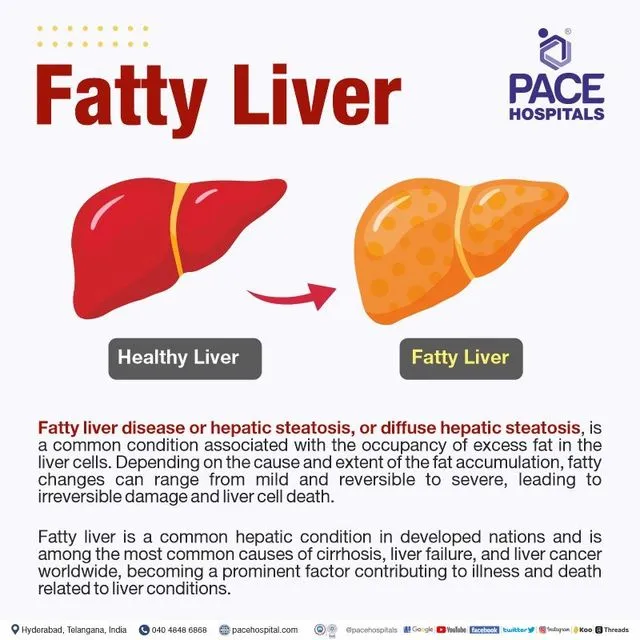
Excess belly fat is strongly associated with the development of fatty liver disease, also known as non-alcoholic fatty liver disease (NAFLD). NAFLD is a condition in which fat accumulates in the liver, leading to inflammation and damage to the liver cells. Over time, this can progress to more serious liver conditions, such as non-alcoholic steatohepatitis (NASH) and cirrhosis.
Research has shown that individuals with excess belly fat are more likely to develop fatty liver disease than those with a normal waist circumference. This is because visceral fat is metabolically active and releases inflammatory substances that can lead to liver inflammation and damage. In addition, excess belly fat is also associated with insulin resistance, a condition in which the body’s cells become resistant to the effects of insulin, leading to high blood sugar levels and an increased risk of developing type 2 diabetes. Insulin resistance is also a key factor in the development of fatty liver disease.
Risk Factors for Developing Liver Disease
In addition to excess belly fat, there are a number of other risk factors for developing liver disease. These include:
– Obesity: People who are overweight or obese are at an increased risk of developing liver disease, as excess body fat can lead to inflammation and damage to the liver.
– Type 2 diabetes: Individuals with type 2 diabetes are at an increased risk of developing liver disease, as high blood sugar levels can lead to fat accumulation in the liver.
– High cholesterol and triglyceride levels: Elevated levels of cholesterol and triglycerides in the blood can increase the risk of developing fatty liver disease.
– Alcohol consumption: Excessive alcohol consumption can lead to liver damage and increase the risk of developing alcoholic liver disease.
– Genetics: Some people may be genetically predisposed to developing liver disease, even if they do not have any of the other risk factors.
Preventing and Managing Liver Disease
While some risk factors for liver disease, such as genetics, cannot be changed, there are steps that can be taken to prevent and manage the condition. These include:
– Maintaining a healthy weight: Losing excess belly fat through a combination of diet and exercise can help reduce the risk of developing liver disease.
– Eating a healthy diet: A diet rich in fruits, vegetables, whole grains, and lean protein can help support liver health and reduce the risk of developing liver disease.
– Limiting alcohol consumption: For those who drink alcohol, it is important to do so in moderation to reduce the risk of developing alcoholic liver disease.
– Managing underlying health conditions: Controlling conditions such as type 2 diabetes and high cholesterol can help reduce the risk of developing liver disease.
– Avoiding exposure to harmful substances: Limiting exposure to toxins, such as certain medications and chemicals, can help protect the liver from damage.
FAQs
Q: Can belly fat be reduced through diet and exercise?
A: Yes, excess belly fat can be reduced through a combination of diet and exercise. Eating a healthy diet that is low in processed foods and high in fruits, vegetables, and lean protein can help reduce belly fat. In addition, regular exercise, including both cardio and strength training, can help burn calories and build muscle, which can help reduce belly fat.
Q: Are there any specific foods that can help reduce belly fat?
A: While there are no magic foods that can target belly fat specifically, there are certain foods that can help support weight loss and reduce belly fat. These include foods high in fiber, such as fruits, vegetables, and whole grains, as well as lean protein sources like chicken, fish, and beans.
Q: How often should I exercise to reduce belly fat?
A: To reduce belly fat, it is recommended to engage in at least 150 minutes of moderate-intensity aerobic exercise, such as brisk walking, or 75 minutes of vigorous-intensity aerobic exercise, such as running, each week. In addition, incorporating strength training exercises, such as weight lifting, two to three times per week can help build muscle and boost metabolism.
Q: Can medications help reduce belly fat?
A: While there are medications available that can help with weight loss, they are typically only recommended for individuals who are obese or have certain health conditions, such as type 2 diabetes. It is important to consult with a healthcare provider before starting any weight loss medication to ensure it is safe and appropriate for your individual needs.
Conclusion
Liver disease is a serious health condition that can have a significant impact on overall health and well-being. Excess belly fat is a major risk factor for developing liver disease, as it is associated with inflammation and damage to the liver. By maintaining a healthy weight, eating a nutritious diet, exercising regularly, and managing underlying health conditions, it is possible to reduce the risk of developing liver disease and support liver health. If you have concerns about your liver health or are at risk for developing liver disease, it is important to consult with a healthcare provider for guidance and support.
