
Understanding the Role of Oxidative Stress in Liver Disease
Introduction
The liver is a vital organ in the human body responsible for numerous functions, including detoxification, protein synthesis, and nutrient metabolism. However, the liver is also susceptible to damage from various factors, including oxidative stress. Oxidative stress occurs when there is an imbalance between the production of reactive oxygen species (ROS) and the body’s ability to detoxify them. This imbalance can lead to damage to cells, tissues, and organs, including the liver. In this article, we will explore the role of oxidative stress in liver disease and how it can impact liver health.
What is Oxidative Stress?
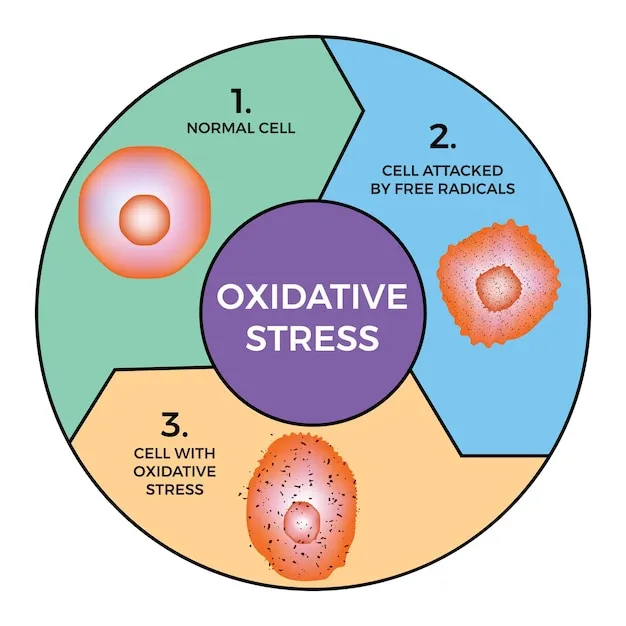
Oxidative stress is a condition in which there is an imbalance between the production of ROS and the body’s ability to detoxify them. ROS are highly reactive molecules that can damage cells, proteins, and DNA. The body has natural defense mechanisms, such as antioxidants, to neutralize ROS and prevent damage. However, when the production of ROS exceeds the body’s antioxidant capacity, oxidative stress occurs. This imbalance can be caused by various factors, including environmental toxins, poor diet, inflammation, and genetic factors.
Role of Oxidative Stress in Liver Disease
The liver is a major site of ROS production due to its high metabolic activity. ROS are generated during various biochemical processes, such as the breakdown of fats, proteins, and carbohydrates. The liver also plays a crucial role in detoxifying harmful substances, which can further increase ROS production. When there is an excess of ROS in the liver, oxidative stress can occur, leading to damage to liver cells and tissues.
Oxidative stress has been implicated in the development of various liver diseases, including fatty liver disease, hepatitis, cirrhosis, and liver cancer. In fatty liver disease, also known as non-alcoholic fatty liver disease (NAFLD), oxidative stress plays a key role in the progression of inflammation, fibrosis, and liver damage. In hepatitis, oxidative stress can exacerbate liver inflammation and contribute to the development of liver fibrosis. In cirrhosis, oxidative stress can further impair liver function and increase the risk of liver failure. In liver cancer, oxidative stress can promote tumor growth and metastasis.
Factors Contributing to Oxidative Stress in Liver Disease
Several factors can contribute to oxidative stress in liver disease, including:
– Alcohol consumption: Excessive alcohol consumption can increase ROS production in the liver and impair antioxidant defenses, leading to oxidative stress and liver damage.
– Obesity: Obesity is a major risk factor for fatty liver disease, which is associated with increased ROS production and oxidative stress.
– Poor diet: Diets high in processed foods, sugar, and trans fats can promote oxidative stress in the liver.
– Environmental toxins: Exposure to environmental toxins, such as heavy metals and pollutants, can increase ROS production and oxidative stress in the liver.
– Inflammation: Chronic inflammation in the liver can trigger ROS production and oxidative stress, leading to further liver damage.
Preventing and Treating Oxidative Stress in Liver Disease
Preventing and treating oxidative stress in liver disease is essential for maintaining liver health. Some strategies to reduce oxidative stress in the liver include:
– Following a healthy diet rich in fruits, vegetables, whole grains, and lean proteins
– Limiting alcohol consumption
– Maintaining a healthy weight through regular exercise
– Avoiding exposure to environmental toxins
– Managing chronic conditions, such as diabetes and hypertension, that can contribute to liver disease
– Taking antioxidant supplements, such as vitamin C, vitamin E, and selenium
In addition to these lifestyle changes, various medications and therapies can also help reduce oxidative stress in the liver. These include antioxidants, such as N-acetylcysteine and silymarin, which can help neutralize ROS and protect liver cells from damage. Other treatments, such as anti-inflammatory drugs and antiviral medications, may also be used to reduce oxidative stress in specific liver diseases.
Frequently Asked Questions
1. What are the symptoms of liver disease caused by oxidative stress?
Symptoms of liver disease caused by oxidative stress can vary depending on the underlying condition. Common symptoms may include fatigue, abdominal pain, jaundice (yellowing of the skin and eyes), nausea, vomiting, and weight loss. In advanced stages of liver disease, symptoms may worsen and include confusion, fluid retention, and bleeding.
2. Can oxidative stress in the liver be reversed?
Yes, oxidative stress in the liver can be reversed with appropriate treatment and lifestyle changes. By reducing ROS production, increasing antioxidant defenses, and addressing underlying risk factors, oxidative stress in the liver can be mitigated, and liver health can be restored.
3. Can oxidative stress in the liver lead to liver failure?
Yes, prolonged oxidative stress in the liver can lead to liver failure, a serious and life-threatening condition. Liver failure occurs when the liver loses its ability to function properly, leading to a buildup of toxins in the body. Prompt treatment is essential to prevent liver failure in individuals with severe liver disease caused by oxidative stress.
4. How can I prevent oxidative stress in the liver?
To prevent oxidative stress in the liver, it is important to follow a healthy lifestyle, including eating a balanced diet, exercising regularly, avoiding excessive alcohol consumption, and managing chronic conditions. By adopting these healthy habits, you can reduce your risk of developing liver disease caused by oxidative stress.
Conclusion
Oxidative stress plays a significant role in the development and progression of liver disease. By understanding the mechanisms of oxidative stress and its impact on liver health, individuals can take proactive steps to prevent and treat liver disease caused by oxidative stress. By adopting a healthy lifestyle, including a balanced diet, regular exercise, and avoiding harmful substances, you can protect your liver from oxidative stress and maintain optimal liver function. If you have concerns about your liver health or symptoms of liver disease, consult with a healthcare provider for further evaluation and treatment.
