Introduction
A healthy liver is essential for successful weight loss. The liver plays a crucial role in metabolism, detoxification, and hormone regulation, all of which are key factors in maintaining a healthy weight. In this article, we will explore the importance of a healthy liver in weight loss and provide tips on how to support liver health for optimal weight management.
The Role of the Liver in Weight Loss
The liver is the largest organ in the body and performs over 500 vital functions, including metabolizing nutrients, detoxifying harmful substances, and producing important proteins and enzymes. When it comes to weight loss, the liver plays a key role in several ways:
1. Metabolism: The liver is responsible for metabolizing carbohydrates, fats, and proteins into energy. A healthy liver ensures that these nutrients are processed efficiently, preventing them from being stored as fat.
2. Detoxification: The liver filters toxins and waste products from the blood, helping to maintain a clean and healthy internal environment. When the liver is overloaded with toxins, it can become sluggish and less effective at metabolizing fat, leading to weight gain.
3. Hormone regulation: The liver plays a crucial role in balancing hormones that control appetite, metabolism, and fat storage. When the liver is not functioning properly, hormone imbalances can occur, making it harder to lose weight.
Tips for Supporting Liver Health for Weight Loss
Maintaining a healthy liver is essential for successful weight loss. Here are some tips to support liver health and promote optimal weight management:
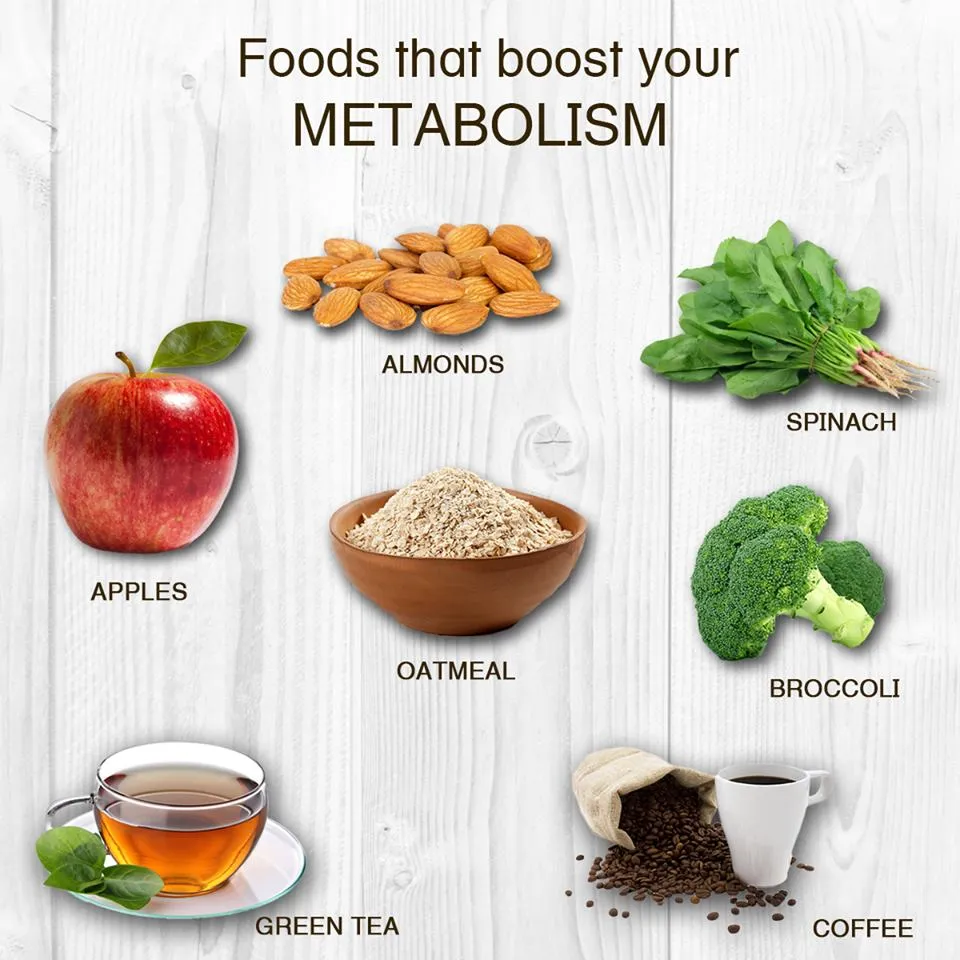
1. Eat a balanced diet: A diet rich in fruits, vegetables, whole grains, and lean proteins can help support liver health and promote weight loss. Avoid processed foods, sugary beverages, and excessive alcohol consumption, which can put strain on the liver.
2. Stay hydrated: Drinking plenty of water helps to flush toxins from the body and support liver function. Aim to drink at least 8-10 glasses of water per day to stay hydrated and support weight loss.
3. Exercise regularly: Regular physical activity can help improve liver function, boost metabolism, and promote weight loss. Aim for at least 30 minutes of moderate exercise most days of the week to support liver health and achieve your weight loss goals.
4. Limit alcohol consumption: Excessive alcohol consumption can damage the liver and interfere with its ability to metabolize fat. Limit your alcohol intake to no more than one drink per day for women and two drinks per day for men to support liver health and promote weight loss.
5. Get enough sleep: Lack of sleep can disrupt hormone balance and metabolism, making it harder to lose weight. Aim for 7-9 hours of quality sleep per night to support liver health and promote weight loss.
Frequently Asked Questions
Q: Can a liver cleanse help with weight loss?
A: There is no scientific evidence to support the effectiveness of liver cleanses for weight loss. The best way to support liver health and promote weight loss is to eat a balanced diet, stay hydrated, exercise regularly, and limit alcohol consumption.
Q: Are there any supplements that can support liver health for weight loss?
A: Some supplements, such as milk thistle, dandelion root, and turmeric, have been shown to support liver health and promote weight loss. However, it is important to consult with a healthcare provider before taking any supplements, as they may interact with medications or have side effects.
Q: How long does it take to improve liver health for weight loss?
A: The time it takes to improve liver health and see weight loss results can vary depending on individual factors such as diet, exercise, and overall health. Consistent efforts to support liver health through diet, exercise, and lifestyle changes can lead to improvements in liver function and weight loss over time.
Conclusion
A healthy liver is essential for successful weight loss. By supporting liver health through a balanced diet, regular exercise, hydration, and lifestyle changes, you can improve liver function, boost metabolism, and achieve your weight loss goals. Remember to consult with a healthcare provider before making any significant changes to your diet or lifestyle, and always prioritize your overall health and well-being.