Introduction
The liver is one of the most vital organs in the human body, responsible for filtering toxins and waste from the bloodstream, producing bile for digestion, and regulating blood sugar levels. However, with the increasing prevalence of processed foods, environmental toxins, and sedentary lifestyles, our livers are becoming overburdened and struggling to perform their functions effectively. This can lead to a host of health issues, including fatigue, weight gain, digestive problems, and even serious liver diseases.
One way to support your liver and improve your overall wellbeing is through a liver cleansing diet. By eating a diet rich in liver-supporting foods and avoiding processed and toxic substances, you can help your liver function optimally and prevent a range of health problems. In this article, we will explore why a liver cleansing diet is essential for your overall wellbeing, as well as provide tips on how to incorporate liver-supporting foods into your diet.
Why a Liver Cleansing Diet is Essential for Your Overall Wellbeing
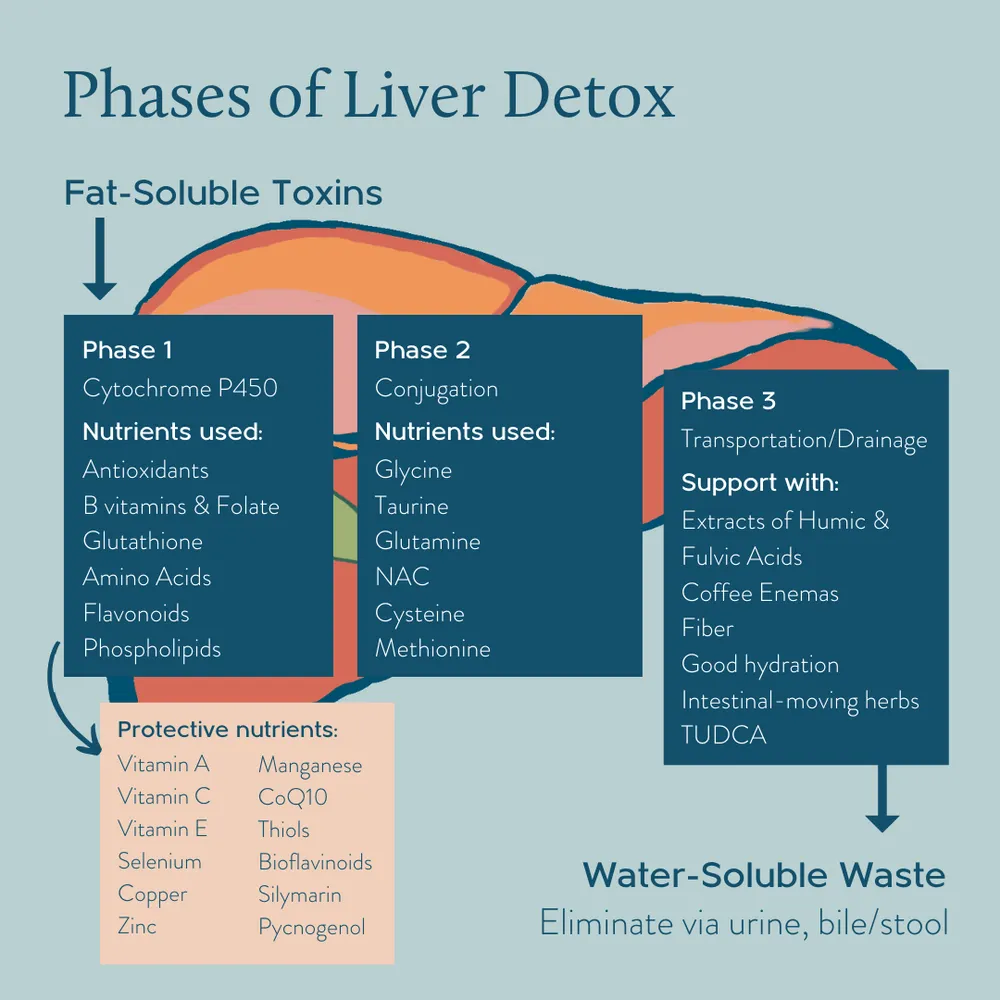
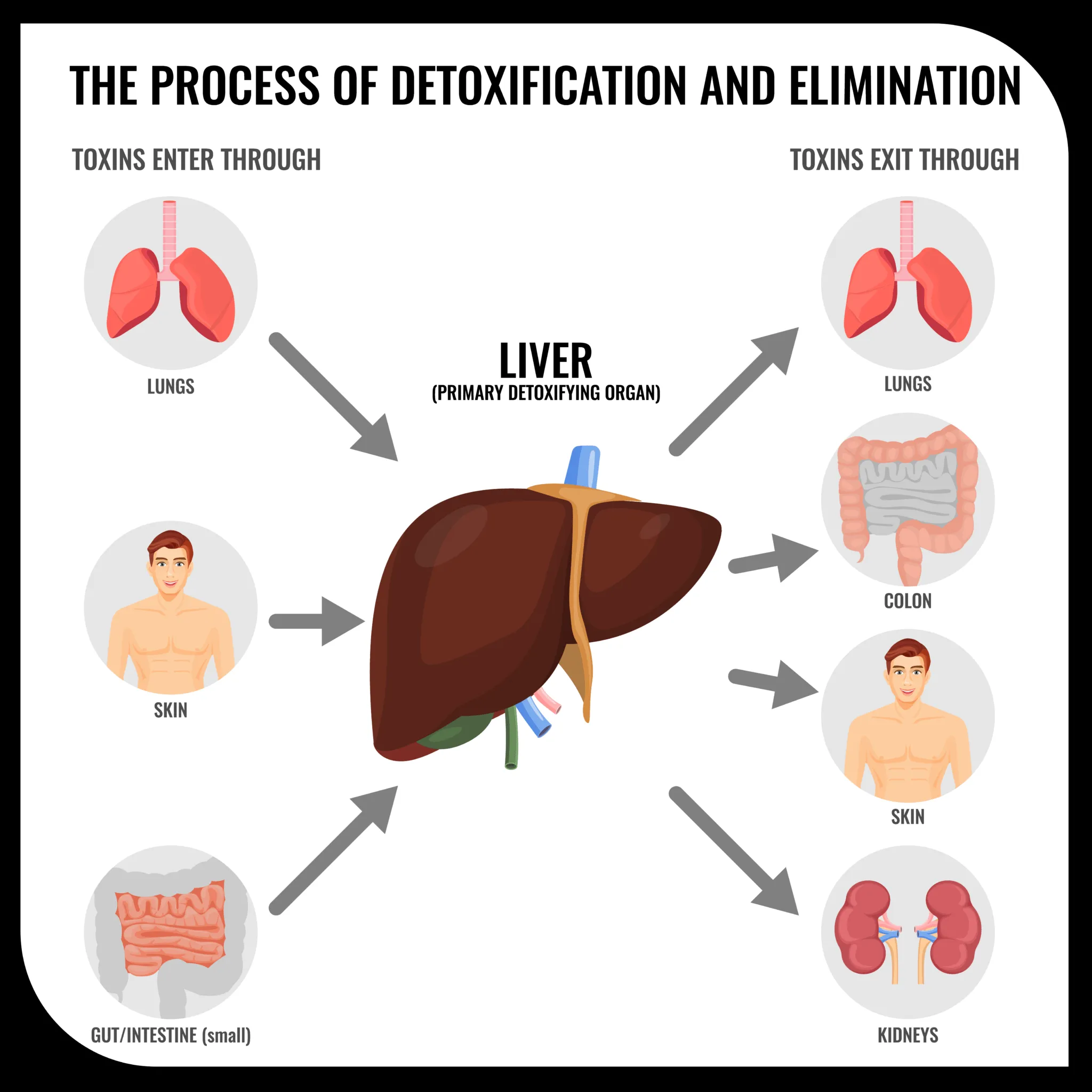
1. Detoxification: The liver is responsible for detoxifying the body by breaking down and eliminating toxins from the bloodstream. When the liver is overloaded with toxins from processed foods, alcohol, medications, and environmental pollutants, it can become sluggish and unable to perform its detoxification functions effectively. A liver cleansing diet can help support the liver in its detoxification processes by providing it with the nutrients it needs to function optimally.
2. Weight Loss: A healthy liver is essential for maintaining a healthy weight. When the liver is not functioning properly, it can lead to weight gain, as toxins and fat accumulate in the body. By following a liver cleansing diet, you can help your liver metabolize fat more efficiently and support weight loss efforts.
3. Improved Digestion: The liver produces bile, which is essential for breaking down fats and aiding in digestion. When the liver is not functioning properly, it can lead to digestive issues such as bloating, gas, and constipation. By eating a diet rich in liver-supporting foods, you can help improve your digestion and prevent digestive problems.
4. Increased Energy: A healthy liver is essential for energy production in the body. When the liver is overloaded with toxins, it can lead to fatigue and low energy levels. By following a liver cleansing diet, you can support your liver in its energy production processes and improve your overall energy levels.
5. Prevention of Liver Diseases: By supporting your liver with a liver cleansing diet, you can help prevent serious liver diseases such as fatty liver disease, cirrhosis, and liver cancer. These diseases are often caused by a build-up of toxins in the liver and can be prevented by following a healthy diet rich in liver-supporting foods.
Tips for Incorporating Liver-Supporting Foods into Your Diet
1. Eat a Variety of Fruits and Vegetables: Fruits and vegetables are rich in antioxidants, vitamins, and minerals that support liver health. Aim to include a variety of colorful fruits and vegetables in your diet, such as berries, leafy greens, and cruciferous vegetables.
2. Limit Processed Foods: Processed foods are often high in unhealthy fats, sugars, and additives that can harm the liver. Limit your intake of processed foods and focus on whole, unprocessed foods that support liver health.
3. Drink Plenty of Water: Staying hydrated is essential for liver health, as water helps flush toxins from the body. Aim to drink at least eight glasses of water a day to support your liver in its detoxification processes.
4. Include Liver-Supporting Herbs and Spices: Herbs and spices such as turmeric, garlic, and dandelion root have been shown to support liver health. Incorporate these liver-supporting herbs and spices into your cooking to reap their benefits.
5. Avoid Alcohol and Caffeine: Alcohol and caffeine are both toxins that can harm the liver. Limit your intake of alcohol and caffeine to support your liver in its detoxification processes.
FAQs
1. What are the signs that my liver may be overloaded with toxins?
Some signs that your liver may be overloaded with toxins include fatigue, weight gain, digestive issues, skin problems, and frequent headaches. If you are experiencing any of these symptoms, it may be a sign that your liver is struggling to perform its detoxification functions effectively.
2. How long does it take to see the benefits of a liver cleansing diet?
The benefits of a liver cleansing diet can vary from person to person, depending on the state of their liver health and overall wellbeing. Some people may notice improvements in their energy levels, digestion, and weight within a few weeks of following a liver cleansing diet, while others may take longer to see results. Consistency is key when it comes to supporting your liver with a healthy diet.
3. Can I do a liver cleanse on my own, or should I seek professional guidance?
While some people may choose to do a liver cleanse on their own, it is always a good idea to seek professional guidance, especially if you have underlying health issues or are taking medications. A healthcare provider or nutritionist can help you create a safe and effective liver cleansing plan that is tailored to your individual needs.
4. Are there any foods I should avoid on a liver cleansing diet?
On a liver cleansing diet, it is best to avoid processed foods, fried foods, alcohol, caffeine, and sugary drinks, as these can harm the liver. Focus on whole, unprocessed foods that support liver health, such as fruits, vegetables, lean proteins, whole grains, and healthy fats.
5. Can a liver cleansing diet help prevent liver diseases?
While a liver cleansing diet can support liver health and prevent the build-up of toxins in the liver, it is not a guarantee against liver diseases. It is important to also maintain a healthy lifestyle, including regular exercise, stress management, and regular medical check-ups, to prevent liver diseases and support overall wellbeing.
Conclusion
In conclusion, a liver cleansing diet is essential for supporting liver health, improving digestion, increasing energy levels, and preventing liver diseases. By incorporating liver-supporting foods into your diet and avoiding processed and toxic substances, you can help your liver function optimally and improve your overall wellbeing. If you are experiencing symptoms of liver overload or are looking to support your liver health, consider following a liver cleansing diet and seeking professional guidance to create a safe and effective plan tailored to your individual needs. Your liver plays a crucial role in your overall health, so it is important to give it the support it needs to function at its best.