Decoding Liver Enzymes: A Comprehensive Guide
Decoding Liver Enzymes: A Comprehensive Guide
The liver is one of the most important organs in the human body, responsible for a wide range of functions such as detoxification, metabolism, and the production of essential proteins. Liver enzymes play a crucial role in these functions, serving as biological catalysts that facilitate various chemical reactions within the liver. Understanding the role of liver enzymes and their significance in maintaining overall health is essential for preventing and managing liver-related conditions.
In this comprehensive guide, we will delve into the world of liver enzymes, exploring their functions, the significance of abnormal levels, and ways to maintain optimal liver health. We will also address common questions and concerns regarding liver enzymes, providing helpful insights and practical tips for maintaining a healthy liver.
Functions of Liver Enzymes
Liver enzymes are proteins that help facilitate chemical reactions within the liver, playing a key role in various metabolic processes. The liver produces a variety of enzymes, each with specific functions and roles. Some of the most important liver enzymes include:
1. Alanine Aminotransferase (ALT): ALT is an enzyme that helps break down proteins and amino acids in the liver. It is primarily found in liver cells, and elevated levels of ALT in the blood can indicate liver damage or disease.
2. Aspartate Aminotransferase (AST): AST is another enzyme found in liver cells that helps break down proteins and amino acids. Elevated levels of AST in the blood can also indicate liver damage, but AST is also found in other organs such as the heart and muscles.
3. Alkaline Phosphatase (ALP): ALP is an enzyme that helps break down proteins in the liver and other tissues. Elevated levels of ALP in the blood can indicate liver disease, bone disorders, or other conditions.
4. Gamma-Glutamyl Transferase (GGT): GGT is an enzyme found in the liver and other tissues that helps break down certain substances in the body. Elevated levels of GGT in the blood can indicate liver disease, alcohol abuse, or other conditions.
Significance of Abnormal Liver Enzyme Levels
Abnormal levels of liver enzymes can indicate liver damage or disease, as the liver releases enzymes into the bloodstream when it is inflamed or injured. Elevated levels of enzymes such as ALT and AST are often used as markers for liver damage, as they are primarily found in liver cells. However, abnormal levels of ALP and GGT can also indicate liver disease, as these enzymes are involved in liver function.
Common causes of elevated liver enzymes include:
1. Hepatitis: Viral hepatitis, such as hepatitis A, B, or C, can cause inflammation and damage to the liver, leading to elevated liver enzyme levels.
2. Non-alcoholic fatty liver disease (NAFLD): NAFLD is a condition characterized by the accumulation of fat in the liver, which can lead to inflammation and liver damage.
3. Alcohol abuse: Excessive alcohol consumption can cause liver damage and elevated liver enzyme levels, as alcohol can be toxic to the liver.
4. Medications: Certain medications, such as statins, antibiotics, and anti-seizure drugs, can cause liver damage and elevated liver enzyme levels in some individuals.
It is important to note that elevated liver enzyme levels do not always indicate liver disease, as they can also be caused by other factors such as muscle injury, heart disease, or gallbladder disease. However, persistent elevation of liver enzymes should be evaluated by a healthcare provider to determine the underlying cause and appropriate treatment.
Maintaining Optimal Liver Health
To maintain optimal liver health and prevent liver-related conditions, it is important to adopt healthy lifestyle habits and practices. Some tips for promoting liver health include:
1. Limit alcohol consumption: Excessive alcohol consumption can cause liver damage and lead to liver disease. Limiting alcohol intake and practicing moderation can help protect the liver.
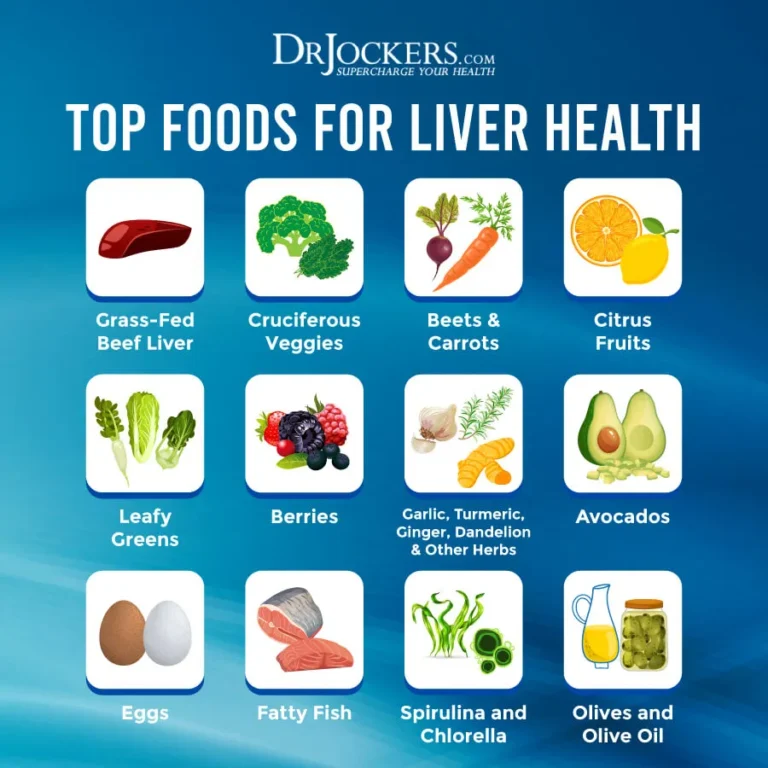
2. Eat a healthy diet: Consuming a balanced diet rich in fruits, vegetables, whole grains, and lean proteins can support liver function and overall health. Avoiding processed foods, sugary beverages, and excessive amounts of saturated fats can also benefit the liver.
3. Exercise regularly: Regular physical activity can help maintain a healthy weight, reduce the risk of fatty liver disease, and improve overall liver function. Aim for at least 30 minutes of moderate-intensity exercise most days of the week.
4. Stay hydrated: Drinking an adequate amount of water each day can help flush toxins from the body and support liver function. Aim for at least 8-10 cups of water daily.
5. Avoid smoking: Smoking can increase the risk of liver disease and liver cancer. Quitting smoking can help protect the liver and improve overall health.
6. Get regular check-ups: Routine blood tests can help monitor liver enzyme levels and detect any abnormalities early. Regular visits to a healthcare provider can help identify liver-related conditions and provide appropriate treatment.
FAQs
Q: What are the normal ranges for liver enzymes?
A: Normal ranges for liver enzymes can vary depending on the laboratory and the individual’s age, gender, and overall health. In general, normal ranges for ALT are 7-56 units per liter (U/L), AST are 8-48 U/L, ALP are 45-115 U/L, and GGT are 9-48 U/L. It is important to consult with a healthcare provider to interpret individual test results.
Q: Can diet and lifestyle affect liver enzyme levels?
A: Yes, diet and lifestyle factors can impact liver enzyme levels. Consuming a healthy diet, limiting alcohol intake, exercising regularly, and maintaining a healthy weight can help support liver function and maintain optimal enzyme levels. Certain medications and supplements may also affect liver enzymes, so it is important to discuss any changes with a healthcare provider.
Q: What should I do if my liver enzyme levels are elevated?
A: If liver enzyme levels are elevated, it is important to consult with a healthcare provider to determine the underlying cause and appropriate treatment. Additional testing, such as imaging studies or liver biopsies, may be needed to evaluate liver function and diagnose any liver-related conditions. Treatment options may include lifestyle changes, medication, or other interventions.
Q: Are there any natural remedies or supplements that can support liver health?
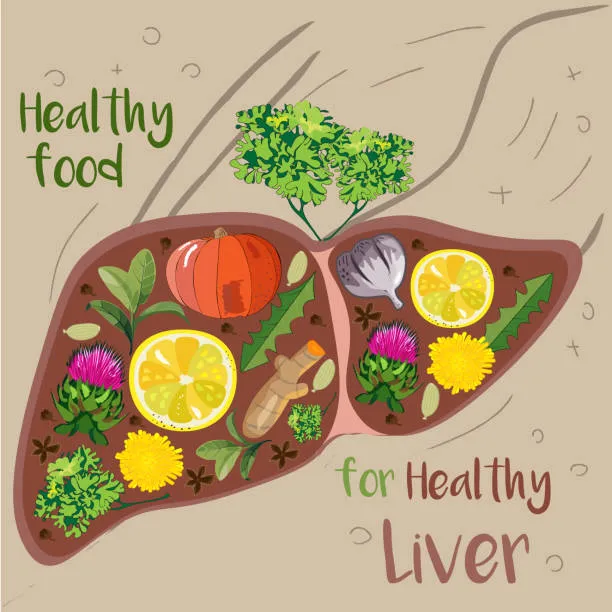
A: Some natural remedies and supplements may help support liver health, such as milk thistle, turmeric, and dandelion root. However, it is important to consult with a healthcare provider before starting any new supplements, as they may interact with medications or have potential side effects. Maintaining a healthy lifestyle with a balanced diet, regular exercise, and adequate hydration is also essential for promoting liver health.
In conclusion, liver enzymes play a crucial role in maintaining liver function and overall health. Understanding the functions of liver enzymes, the significance of abnormal levels, and ways to promote liver health is essential for preventing and managing liver-related conditions. By adopting healthy lifestyle habits and practices, individuals can support liver function, reduce the risk of liver disease, and maintain optimal enzyme levels. Regular monitoring of liver enzyme levels and consultation with a healthcare provider can help ensure optimal liver health and well-being.