
Eating for Liver Health: How Certain Foods Can Improve Your Liver Function
The liver is an essential organ in the human body that performs many vital functions, such as filtering toxins from the blood, producing bile to aid in digestion, and metabolizing nutrients. It is crucial to maintain a healthy liver to ensure optimal overall health and well-being. One way to support liver health is through proper nutrition, by consuming foods that promote liver function and reduce the risk of liver disease. In this article, we will explore the importance of eating for liver health, the best foods to include in your diet, and answer some commonly asked questions about liver health.
Importance of Liver Health
The liver is responsible for filtering out harmful substances from the blood, such as alcohol, drugs, and environmental toxins. It also plays a key role in metabolizing nutrients and producing bile to aid in digestion. When the liver is functioning properly, these processes can occur efficiently, leading to improved overall health.
However, a poor diet high in processed foods, sugar, and unhealthy fats can put strain on the liver and lead to a buildup of toxins in the body. Over time, this can result in liver damage and increase the risk of developing liver diseases, such as fatty liver disease, hepatitis, and cirrhosis. By eating a diet rich in liver-friendly foods, you can support optimal liver function and reduce the risk of liver disease.
Best Foods for Liver Health
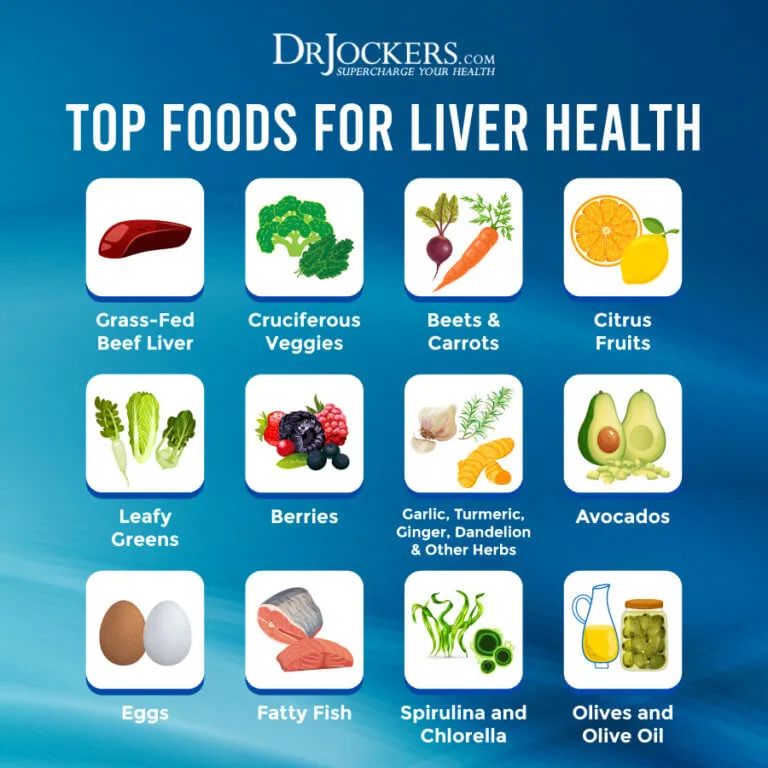
1. Leafy greens: Leafy greens, such as spinach, kale, and collard greens, are rich in antioxidants and fiber, which help to protect the liver from damage and promote detoxification.
2. Cruciferous vegetables: Vegetables like broccoli, cauliflower, and Brussels sprouts contain compounds that support liver detoxification and reduce inflammation.
3. Fatty fish: Fish high in omega-3 fatty acids, such as salmon, mackerel, and sardines, can help reduce inflammation in the liver and improve liver function.
4. Nuts and seeds: Nuts and seeds, such as walnuts, flaxseeds, and chia seeds, are rich in antioxidants and healthy fats that support liver health.
5. Berries: Berries, such as blueberries, strawberries, and raspberries, are high in antioxidants that protect the liver from damage and promote detoxification.
6. Garlic: Garlic contains compounds that support liver detoxification and reduce inflammation in the liver.
7. Turmeric: Turmeric contains curcumin, a compound that has been shown to reduce inflammation in the liver and improve liver function.
8. Green tea: Green tea is rich in antioxidants that protect the liver from damage and promote detoxification.
9. Olive oil: Olive oil is high in healthy fats that support liver health and reduce inflammation in the liver.
10. Beetroot: Beetroot contains antioxidants and betalains that support liver detoxification and reduce inflammation in the liver.
Incorporating these liver-friendly foods into your diet can help support optimal liver function and reduce the risk of liver disease. It is also important to avoid or limit foods that can harm the liver, such as processed foods, sugary beverages, and trans fats.
FAQs about Liver Health
Q: Can I improve my liver health through diet alone?
A: While diet plays a crucial role in supporting liver health, it is also important to maintain a healthy lifestyle by exercising regularly, avoiding excessive alcohol consumption, and managing stress.
Q: Are there any specific foods to avoid for liver health?
A: Yes, it is best to avoid or limit foods high in sugar, processed foods, trans fats, and alcohol, as these can put strain on the liver and increase the risk of liver disease.
Q: How can I tell if my liver is healthy?
A: Some signs of poor liver health include fatigue, bloating, jaundice, and dark urine. It is important to consult with a healthcare provider if you experience any of these symptoms.
Q: Are there any supplements that can support liver health?
A: Some supplements, such as milk thistle, N-acetylcysteine, and vitamin E, have been shown to support liver health. However, it is important to consult with a healthcare provider before taking any supplements.
Q: How often should I get my liver checked?
A: It is recommended to get a liver function test at least once a year, especially if you have risk factors for liver disease, such as obesity, diabetes, or excessive alcohol consumption.
In conclusion, eating a diet rich in liver-friendly foods can help support optimal liver function and reduce the risk of liver disease. By including leafy greens, cruciferous vegetables, fatty fish, nuts and seeds, berries, garlic, turmeric, green tea, olive oil, and beetroot in your diet, you can promote liver health and overall well-being. It is also important to avoid or limit foods that can harm the liver, such as processed foods, sugary beverages, and trans fats. By making healthy choices and taking care of your liver, you can support optimal health and longevity.
