The liver is one of the most vital organs in the human body, responsible for performing over 500 functions that are essential for overall health and well-being. From filtering toxins and waste products from the blood to producing bile for digestion, the liver plays a crucial role in maintaining the body’s internal balance. However, many people are unaware of how to properly care for their liver, leading to a variety of health issues and complications. In this beginner’s guide to liver health, we will explore everything you need to know about keeping your liver in tip-top shape.
What is the Liver?
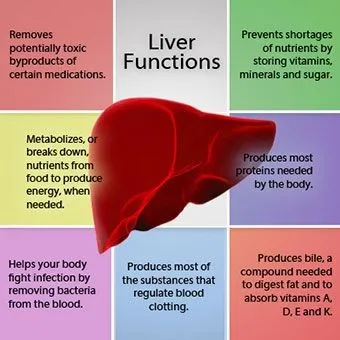
The liver is the largest internal organ in the human body, located on the right side of the abdomen just below the diaphragm. It is responsible for a wide range of functions, including:
– Filtering toxins and waste products from the blood
– Regulating blood sugar levels
– Producing bile to aid in digestion
– Storing vitamins, minerals, and other essential nutrients
– Breaking down fats, proteins, and carbohydrates
– Regulating cholesterol levels
– Producing proteins necessary for blood clotting
– Metabolizing drugs and medications
In addition to these functions, the liver also plays a key role in the body’s immune system, helping to fight off infections and diseases. Without a healthy liver, the body would struggle to perform essential functions, leading to a variety of health issues and complications.
Signs of an Unhealthy Liver
There are several signs and symptoms that may indicate a problem with your liver. These can include:
– Jaundice, or yellowing of the skin and eyes
– Fatigue and weakness
– Nausea and vomiting
– Loss of appetite
– Swelling in the abdomen or legs
– Dark urine
– Pale or clay-colored stools
– Itchy skin
– Bruising easily
– Abdominal pain or swelling
– Chronic fatigue
– Unexplained weight loss
If you experience any of these symptoms, it is important to consult with a healthcare provider to determine the cause and receive appropriate treatment.
Causes of Liver Damage
There are several factors that can contribute to liver damage, including:
– Excessive alcohol consumption: Alcohol is a common cause of liver damage, leading to conditions such as fatty liver disease, alcoholic hepatitis, and cirrhosis.
– Viral infections: Viral infections such as hepatitis B and C can cause inflammation and damage to the liver.
– Non-alcoholic fatty liver disease: This condition is characterized by the build-up of fat in the liver, which can lead to inflammation and scarring.
– Obesity: Being overweight or obese can increase the risk of developing fatty liver disease and other liver-related conditions.
– Poor diet: A diet high in processed foods, sugar, and unhealthy fats can contribute to liver damage.
– Medications: Certain medications, such as acetaminophen and statins, can cause liver damage if taken in excess.
– Toxins: Exposure to environmental toxins and chemicals can also harm the liver.
Tips for Maintaining Liver Health
There are several steps you can take to keep your liver healthy and functioning properly. These include:
– Limiting alcohol consumption: If you drink alcohol, do so in moderation. Women should not exceed one drink per day, while men should not exceed two drinks per day.
– Eating a healthy diet: Focus on eating a variety of fruits, vegetables, whole grains, and lean proteins. Limit your intake of processed foods, sugar, and unhealthy fats.
– Maintaining a healthy weight: Being overweight or obese can increase the risk of liver damage. Aim to maintain a healthy weight through a balanced diet and regular exercise.
– Getting regular exercise: Physical activity can help to reduce the risk of fatty liver disease and other liver-related conditions.
– Avoiding toxins: Limit your exposure to environmental toxins and chemicals whenever possible.
– Managing medications: Take medications as directed by your healthcare provider and avoid taking unnecessary medications.
– Getting vaccinated: Vaccines are available for hepatitis A and B, which can help to protect against viral liver infections.
– Practicing safe sex: Use condoms and practice safe sex to reduce the risk of contracting hepatitis B and C.
Frequently Asked Questions
Q: Can liver damage be reversed?
A: In some cases, liver damage can be reversed with lifestyle changes, such as adopting a healthy diet, getting regular exercise, and limiting alcohol consumption. However, in more severe cases, such as advanced cirrhosis, the damage may be irreversible.
Q: Are there any natural remedies for liver health?
A: Some natural remedies, such as milk thistle, turmeric, and dandelion root, have been shown to support liver health. However, it is important to consult with a healthcare provider before using any natural remedies, as they may interact with medications or have side effects.
Q: How often should I get my liver checked?
A: It is recommended to get regular check-ups with your healthcare provider to monitor your liver health. Your healthcare provider may recommend blood tests or imaging studies to assess the health of your liver.
Q: Can I prevent liver damage?
A: While it may not be possible to prevent all forms of liver damage, you can reduce your risk by adopting a healthy lifestyle, avoiding toxins, and getting vaccinated against viral liver infections.
Q: What are the long-term effects of liver damage?
A: Untreated liver damage can lead to serious complications, such as cirrhosis, liver cancer, and liver failure. It is important to seek medical attention if you suspect you have liver damage to prevent these long-term effects.
In conclusion, maintaining liver health is essential for overall well-being and longevity. By adopting a healthy lifestyle, avoiding toxins, and getting regular check-ups with your healthcare provider, you can reduce your risk of liver damage and maintain a healthy liver for years to come. If you have any concerns about your liver health, be sure to consult with a healthcare provider for guidance and support.