
Protecting Your Liver: Managing Stress for Better Health
Protecting Your Liver: Managing Stress for Better Health
Introduction
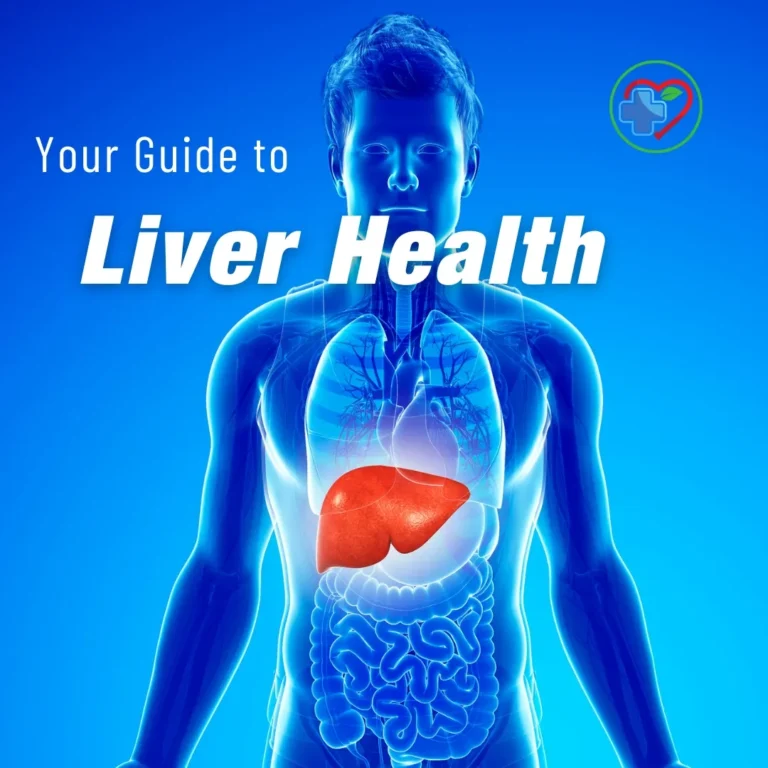
The liver is one of the most important organs in the body, responsible for filtering out toxins, processing nutrients, and maintaining overall health. However, many people neglect their liver health, leading to a range of issues including liver disease, fatty liver, and liver failure. One of the key factors that can impact liver health is stress. Stress can have a significant impact on the liver, leading to inflammation, oxidative stress, and damage to liver cells. In this article, we will explore the connection between stress and liver health, and provide tips on how to manage stress for better liver health.
The Connection Between Stress and Liver Health
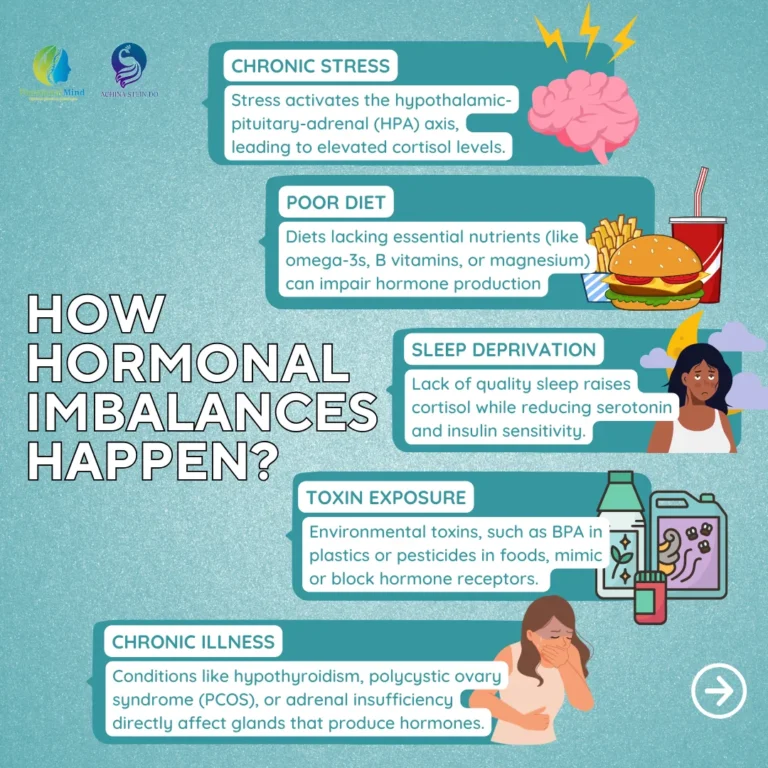
Stress can have a direct impact on the liver through the release of stress hormones such as cortisol and adrenaline. These hormones can cause inflammation in the liver, leading to liver damage and dysfunction. In addition, stress can also lead to unhealthy behaviors such as overeating, excessive drinking, and lack of exercise, all of which can further damage the liver.
Chronic stress has been linked to a range of liver conditions, including fatty liver disease, alcoholic liver disease, and liver cirrhosis. In fact, research has shown that chronic stress can increase the risk of developing liver disease by up to 50%. This is why it is important to take steps to manage stress in order to protect your liver and overall health.
Tips for Managing Stress for Better Liver Health
1. Exercise regularly: Exercise is one of the best ways to reduce stress and improve liver health. Physical activity can help to release endorphins, which are natural mood boosters that can help to reduce stress and anxiety. In addition, exercise can also help to improve liver function by increasing blood flow and promoting the elimination of toxins.
2. Eat a healthy diet: A healthy diet is essential for maintaining liver health and managing stress. Avoiding processed foods, sugary drinks, and excessive alcohol can help to reduce inflammation in the liver and improve overall health. Instead, focus on eating a diet rich in fruits, vegetables, whole grains, and lean protein to support liver function and reduce stress.
3. Get enough sleep: Sleep is essential for managing stress and supporting liver health. Lack of sleep can lead to increased levels of stress hormones, which can contribute to liver damage. Aim to get 7-9 hours of sleep per night to support your liver and overall health.
4. Practice relaxation techniques: Relaxation techniques such as deep breathing, meditation, and yoga can help to reduce stress and improve liver health. These techniques can help to calm the mind and body, reducing the production of stress hormones and promoting relaxation.
5. Seek support: If you are feeling overwhelmed by stress, don’t be afraid to seek support from friends, family, or a mental health professional. Talking about your stress and seeking help can help to reduce its impact on your liver health and overall well-being.
FAQs
Q: Can stress cause liver damage?
A: Yes, chronic stress can lead to inflammation, oxidative stress, and damage to liver cells, increasing the risk of developing liver disease.
Q: How can I tell if my liver is unhealthy?
A: Signs of liver damage can include fatigue, jaundice, abdominal pain, and swelling in the abdomen. It is important to see a healthcare provider for a proper diagnosis.
Q: Can stress-induced liver damage be reversed?
A: With proper lifestyle changes such as managing stress, eating a healthy diet, and exercising regularly, it is possible to improve liver health and reduce the risk of liver damage.
Q: Are there any supplements that can help to support liver health?
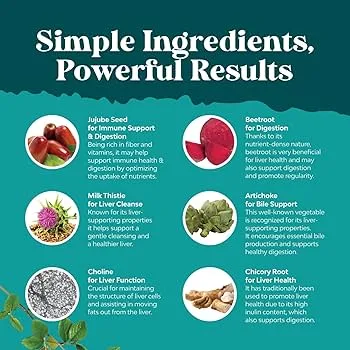
A: Some supplements such as milk thistle, turmeric, and vitamin E have been shown to support liver health and reduce inflammation. However, it is important to consult with a healthcare provider before taking any supplements.
Conclusion
Protecting your liver is essential for maintaining overall health and well-being. By managing stress and adopting healthy lifestyle habits, you can reduce the risk of liver disease and support your liver health. Remember to exercise regularly, eat a healthy diet, get enough sleep, practice relaxation techniques, and seek support when needed. By taking care of your liver, you can protect your health and enjoy a better quality of life.